In the dusty lanes of Bihar’s towns and villages, Booth Level Officers (BLOs) are working under heat and rain to revise the state’s voter rolls ahead of elections. But a ground investigation has found that they are accepting voter forms without mandatory documents, relying solely on personal discretion. While the Supreme Court has allowed the voter roll revision to continue, it has flagged serious concerns about inconsistencies, exposing the fragile administrative processes that underpin the world’s largest democracy.
What is the voter roll revision drive in Bihar?
The Election Commission’s Special Intensive Revision (SIR) aims to clean up Bihar’s voter rolls by removing deceased voters, eliminating duplicates, and verifying new entries before the upcoming state elections. BLOs are tasked with door-to-door surveys, verifying details using a mobile app, and collecting documents like Aadhaar or ration cards to support each voter’s inclusion in the rolls.
However, on the ground, the process has deviated from guidelines. BLOs across Hajipur and Muzaffarpur, as uncovered by India Today, have begun submitting voter forms without any documents attached, choosing to use their personal judgment in verifying voters’ identities.
BLO discretion replaces document checks
BLOs shared that the initial instruction was to collect forms only with supporting documents. But now, as one BLO in Hajipur explained, they have been told to collect forms first and ask for documents later if needed. Another BLO in Muzaffarpur demonstrated how the Election Commission’s mobile app allows them to enter names, birth dates, and photographs, and submit forms without uploading any supporting documents, using only OTP verification linked to the BLO’s credentials.
“Since we are locals and know most people here, we can vouch for them,” a BLO said, adding that documents would be demanded only if objections were raised or higher authorities requested them later. In some cases, even Aadhaar numbers were accepted without physical documents, despite inconsistencies in guidelines.
A BLO supervisor overseeing multiple booths confirmed that the current priority is to remove duplicate and deceased voters, while document verification may happen after August 25, based on further instructions from the Election Commission.
Supreme Court scrutiny over the process
The Supreme Court, while hearing petitions seeking a stay on the SIR, chose not to halt the revision but expressed strong reservations about the lack of uniformity and clarity. The court emphasised that the revision should not lead to voter exclusion, especially so close to elections.
Key concerns raised by the court include:
– Why widely available documents like Aadhaar, EPIC, and ration cards are inconsistently accepted.
– Whether the Election Commission is overstepping its jurisdiction by venturing into citizenship verification, which is under the Home Ministry’s domain.
The court has directed the Election Commission to submit a counter-affidavit by July 21, with the next hearing scheduled for July 28. It will examine whether the current SIR process aligns with electoral laws and whether its timing is appropriate just before elections.
Ground realities: confusion and fear among voters
On the ground, BLOs have encountered varying responses from the public. In Muzaffarpur, a female BLO reported having to visit some households four times, as residents were hesitant to share documents or cooperate, fearing they might be excluded from the voter list. This fear reflects deep-seated anxieties around documentation and the suspicion that the process could be used to disenfranchise them.
Meanwhile, other residents have shown willingness to cooperate, handing over forms even without documents, reassured by BLOs that they could submit paperwork later if necessary. Despite harsh weather conditions, BLOs in Hajipur have continued conducting surveys, with one BLO saying, “There’s confusion, but the aim is to ensure no eligible voter is left out.”
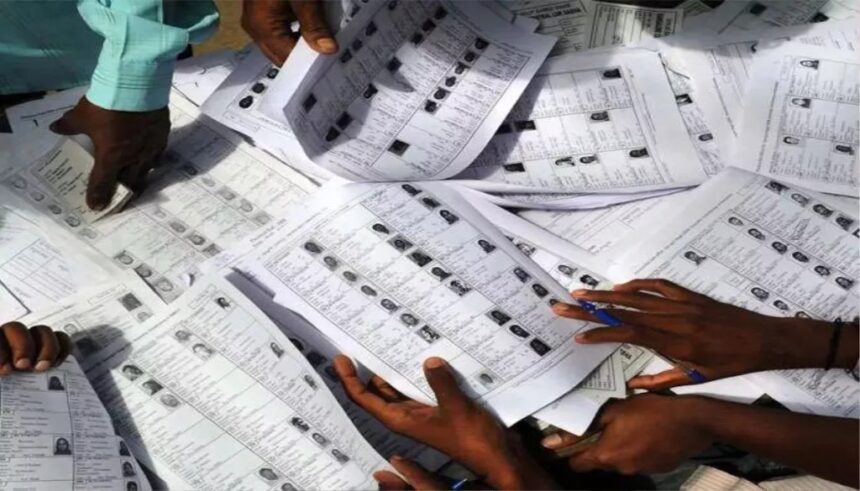
Visual evidence captured during the investigation shows BLOs submitting forms without documents using the app, with practices varying across locations. Some BLOs accept Aadhaar information, while others do not, highlighting inconsistencies that risk arbitrary inclusions and exclusions.
Implications for India’s electoral system
Bihar’s ongoing voter roll revision, meant to enhance electoral accuracy, is revealing the complexities and challenges of managing India’s vast democratic database. The lack of uniform guidelines on documents, reliance on BLO discretion, and postponement of document verification raise concerns about the robustness of the voter registration process.
The Election Commission’s ambitious drive, while well-intentioned, currently depends heavily on the judgment and training of BLOs operating in challenging environments. The Supreme Court’s intervention underscores the importance of ensuring that voter rights are not compromised, particularly in a state with a history of electoral challenges.
As Bihar prepares for elections, the effectiveness of this voter roll cleanup will have a significant impact on the democratic process, testing whether India’s electoral system can balance accuracy with inclusivity while maintaining public trust in the system.