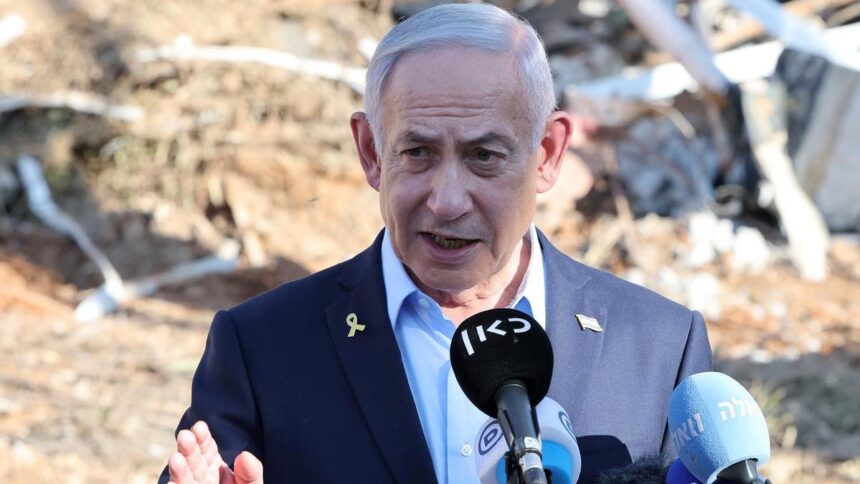
Israeli Prime Minister Benjamin Netanyahu has indicated that the recent 12-day conflict with Iran could create new opportunities to secure the release of hostages held by Hamas in Gaza, signalling a potential turning point in efforts to end the ongoing conflict. His remarks come as Israel’s security and diplomatic focus intensifies on resolving the Gaza hostage crisis while balancing broader regional objectives following the war with Iran.
Hope for hostages amid shifting priorities
Speaking during a visit to Israel’s Shin Bet domestic intelligence service on Sunday, Benjamin Netanyahu said that “many opportunities have opened up now following this victory,” with the first priority being the rescue of the hostages. “Of course, we will also have to solve the Gaza issue, to defeat Hamas, but I estimate that we will achieve both tasks,” he added, according to a statement from his office.
This marked the first time in 20 months that Benjamin Netanyahu has publicly prioritized the return of the hostages as the top national objective, a move welcomed by the Hostages and Missing Families Forum Headquarters, which represents the families of the 50 hostages still believed to be in Gaza. “The families of the hostages welcome the fact that after 20 months, the return of the hostages has finally been designated as the top priority by the prime minister,” the group said in a statement, urging Benjamin Netanyahu to translate this commitment into a single comprehensive deal to secure the hostages’ return and end the fighting in Gaza. Currently, it is believed that only 20 of the 50 hostages are still alive.
Diplomatic push and cautious optimism
The developments come as Benjamin Netanyahu’s corruption trial testimony was postponed by the Jerusalem District Court, citing classified diplomatic and security reasons. The delay has sparked speculation that a diplomatic window may be opening for progress on the Gaza hostage deal. U.S. President Donald Trump, who suggested that Benjamin Netanyahu’s trial could hinder negotiations, claimed on Saturday thatBenjamin Netanyahu was “right now” negotiating a deal with Hamas, though details remain unclear.
The U.S. has proposed a 60-day ceasefire plan that would involve Hamas releasing half of the hostages in exchange for the release of Palestinian prisoners and the remains of deceased Palestinians, with the remaining hostages to be released under a permanent ceasefire agreement. However, while Hamas has expressed readiness to resume ceasefire talks, the group has maintained its demands for a complete Israeli withdrawal from Gaza and an end to the war as part of any agreement. Israel, on the other hand, has insisted that the conflict can only end if Hamas is disarmed and dismantled, a condition that Hamas continues to reject.
The urgency around these talks has been heightened by Israel’s intensified military operations in northern Gaza, with the Israeli military issuing evacuation orders to civilians ahead of further offensives against Hamas. The conflict began when Hamas fighters attacked Israel on October 7, 2023, killing 1,200 people and taking 251 hostages back to Gaza, according to Israeli figures. In response, Israel launched a military assault that has killed more than 56,000 Palestinians, according to the Gaza health ministry, displacing nearly the entire population of 2.3 million and causing a severe humanitarian crisis.
Israeli military Chief of Staff Lieutenant General Eyal Zamir noted that the war with Iran, which ended on June 24, could strengthen Israel’s position in dealing with Hamas and further efforts to advance the return of the hostages. Meanwhile, Israel’s strategic affairs minister Ron Dermer, a close Benjamin Netanyahu ally, is expected to meet with officials at the White House to discuss the Iran and Gaza situations, underscoring the diplomatic push to break the deadlock.
As Israel’s security cabinet continues to meet, there is cautious optimism that a framework for a ceasefire and hostage return could emerge, offering a rare opportunity for de-escalation and humanitarian relief in Gaza while addressing Israel’s security concerns.