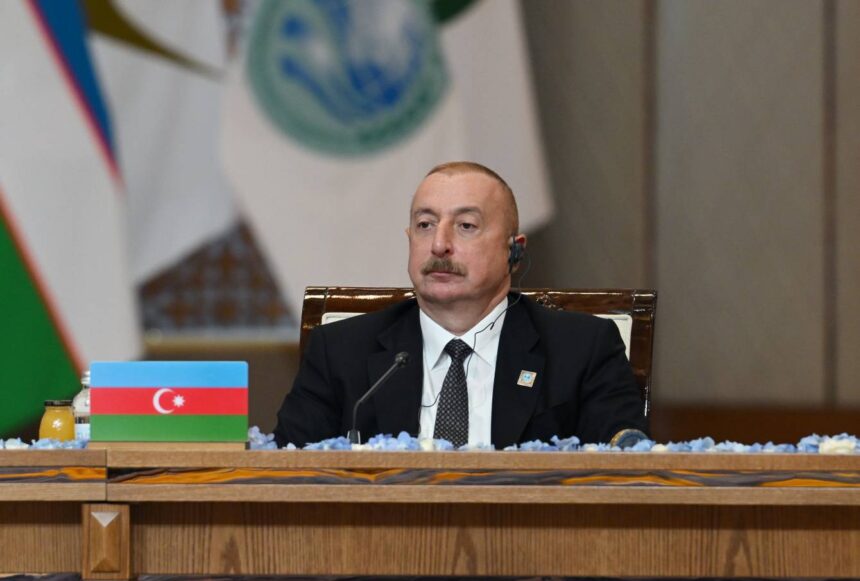
Tensions within the Shanghai Cooperation Organisation (SCO) intensified recently as Azerbaijan publicly accused India of blocking its bid for full membership in the regional bloc. Azerbaijani officials claim that India’s opposition is motivated by a desire for “revenge” due to Baku’s close diplomatic and strategic ties with Pakistan. The allegations have sparked a diplomatic debate over the principles of multilateral engagement, the balance of bilateral disputes in international forums, and the geopolitical dynamics in South and Central Asia. While China reportedly supports Azerbaijan’s application, India’s opposition has raised questions about adherence to the so-called “Shanghai Spirit,” which emphasizes cooperation, mutual respect, and the avoidance of importing bilateral disagreements into multilateral forums.
India-Azerbaijan Tensions and SCO Membership Controversy
According to Azerbaijani media reports, India opposed Azerbaijan’s bid for full SCO membership at the summit held in Tianjin, China. Baku alleged that this action violates multilateral diplomatic norms and undermines the collaborative ethos of the SCO, which is intended to foster regional stability, security cooperation, and economic collaboration among its member states. Azerbaijani sources claimed that India’s stance is connected to Azerbaijan’s support for Pakistan during Operation Sindoor, a major military operation launched by Indian forces in May targeting terrorist outfits Jaish-e-Mohammed and Lashkar-e-Taiba in Pakistan and Pakistan-occupied Kashmir.
The reports highlighted that the opposition by India to Azerbaijan’s full membership was seen as a continuation of its broader strategic posture against countries perceived as aligning with Pakistan. Azerbaijani President Ilham Aliyev reportedly met with Pakistani Prime Minister Shehbaz Sharif on the sidelines of the SCO summit, during which Aliyev reiterated that India’s actions appear motivated by revenge, reflecting an intent to punish Azerbaijan for its diplomatic alignment with Islamabad. Shehbaz Sharif expressed gratitude to Aliyev for Azerbaijan’s solidarity with Pakistan, framing it as a demonstration of enduring brotherhood between Islamabad and Baku. The SCO summit, which gathers heads of state and government from key Eurasian nations, thus became a stage for Azerbaijan to highlight what it perceives as inequitable treatment by India within multilateral platforms.
Baku’s public statements emphasize that bilateral disputes, including those arising from Operation Sindoor or other strategic actions, should not interfere with participation in multilateral organizations designed to promote regional cooperation. Azerbaijani media asserted that India’s opposition to its membership contradicts the principles of the SCO and the so-called Shanghai Spirit, which stresses respect for sovereignty, non-interference, and the collective pursuit of stability and prosperity. By raising these points in the international press, Azerbaijan appears intent on creating diplomatic pressure and encouraging support from other SCO members, particularly China, which reportedly expressed its backing for Baku’s bid.
Operation Sindoor and Pakistan-Azerbaijan Relations
Operation Sindoor, launched by India on May 7, was described as a decisive military response to a brutal terrorist attack on April 22 in Pahalgam, which claimed the lives of 26 individuals, mostly tourists. The operation targeted hideouts of banned terrorist organizations in Pakistan and Pakistan-occupied Kashmir. The military campaign drew international attention and had diplomatic repercussions, particularly affecting India’s relations with Pakistan’s allies, including Azerbaijan. Azerbaijani support for Pakistan during and after Operation Sindoor has reportedly intensified tensions with India, contributing to what Baku frames as retaliatory action by New Delhi in multilateral forums.
During their meeting at the SCO summit, Aliyev reportedly congratulated Pakistan on its perceived victory in countering India’s Operation Sindoor and emphasized that Azerbaijan’s bilateral ties with Islamabad remain a priority despite India’s actions on the international stage. Shehbaz Sharif expressed appreciation for Azerbaijan’s support, highlighting the historical and strategic significance of their relationship. These exchanges underscore the complex regional diplomacy at play, where military operations, international alliances, and multilateral organizational procedures intersect to shape perceptions of influence and fairness.
Shehbaz Sharif also discussed Pakistan’s broader strategic relations with Russia during meetings at the SCO summit in Beijing, noting that Pakistan respects India-Russia relations while seeking to strengthen its own ties with Moscow. According to Sharif, robust Pakistan-Russia relations are complementary to regional stability and are intended to balance strategic interests in the region. The premier emphasized that Pakistan seeks to maintain its sovereignty in foreign policy while fostering strong partnerships with countries like Azerbaijan and Russia, highlighting the multifaceted and sometimes competing considerations that nations must manage within multilateral organizations such as the SCO.
Azerbaijan’s statements suggest that India’s opposition to its SCO membership could be perceived as part of a broader pattern of using international platforms to advance bilateral interests. By framing India’s actions as “revenge” for Azerbaijan’s alignment with Pakistan, Baku positions itself as a defender of multilateral principles and an advocate for regional fairness. This narrative aims to garner international support and underscore the expectation that SCO members should prioritize collective cooperation over individual disputes, particularly when those disputes involve sensitive geopolitical issues such as terrorism, military operations, and diplomatic alliances.
The controversy also reflects the evolving nature of SCO diplomacy, where the bloc’s founding principles are continually tested by the diverse political and strategic interests of its members. China’s support for Azerbaijan contrasts with India’s opposition, highlighting the potential for internal divisions within the organization. The dispute underscores how regional conflicts, bilateral rivalries, and strategic partnerships can influence decisions on membership, participation, and the perceived legitimacy of multilateral forums. For Azerbaijan, gaining full SCO membership is viewed as a strategic priority to enhance its diplomatic influence, access regional economic initiatives, and participate in security and counter-terrorism frameworks within the bloc.
Moreover, Azerbaijan’s approach to highlighting India’s opposition in international media demonstrates a calculated effort to shape global perceptions of fairness and multilateral adherence. By framing its case as one rooted in principle and regional solidarity, Baku reinforces its strategic alignment with Pakistan while appealing to other SCO members who may view India’s opposition as inconsistent with the organization’s cooperative mandate. The allegations of retaliation, if substantiated, could set a precedent for how bilateral tensions influence multilateral decision-making in Eurasian political and security institutions.