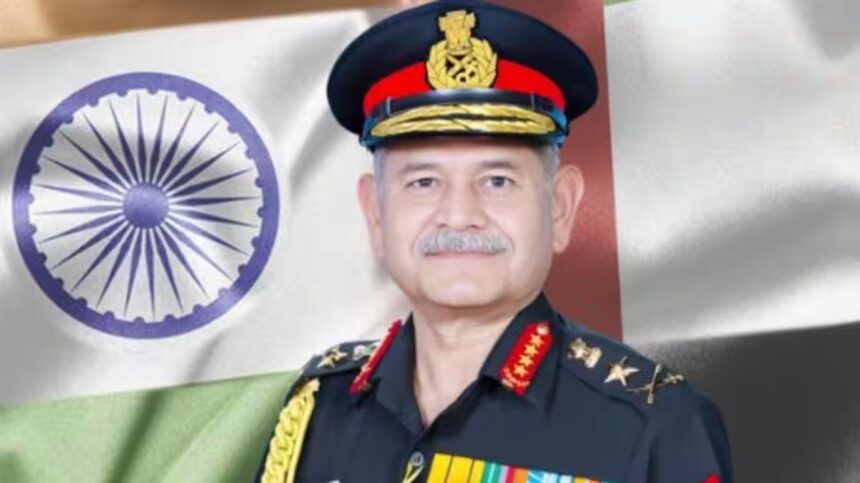
The army chief’s uae visit signals india’s growing defence diplomacy and strategic focus on stability in the gulf region.
India’s defence engagement with the gulf region has entered a new phase with chief of the army staff Upendra Dwivedi embarking on a two-day official visit to the united arab emirates. The visit, which began on january 4, reflects the steady evolution of india–uae defence relations from limited interaction to structured and sustained military cooperation. Taking place amid fast-changing geopolitical dynamics in west asia, the trip underscores new delhi’s intent to remain closely connected with key regional partners and to strengthen strategic trust through high-level military dialogue.
Strengthening bilateral military cooperation in a changing gulf
General dwivedi’s visit to the uae comes at a time when the gulf region is witnessing heightened political and security activity. The indian army chief is scheduled to hold wide-ranging discussions with senior military leadership of the uae, focusing on areas of mutual interest such as training exchanges, joint exercises, defence technology cooperation, and regional security challenges. According to the indian army, the visit reflects a shared commitment by both countries to deepen mutual understanding and enhance defence collaboration in line with their expanding strategic partnership.
Over the past decade, india and the uae have steadily upgraded their relationship, moving beyond traditional economic ties to include strong defence and security cooperation. Military-to-military engagement has become a key pillar of this partnership, supported by regular exchanges, joint drills, and coordination on counter-terrorism and maritime security. General dwivedi’s talks are expected to build on this foundation, reviewing existing mechanisms and exploring new avenues for collaboration that reflect the evolving security environment of the gulf.
The timing of the visit is particularly significant given the regional context. The gulf has seen renewed tensions, including escalating strains between the uae and saudi arabia over developments in yemen. While india maintains a balanced and non-interventionist approach to regional disputes, its growing footprint in the region requires sustained engagement with key actors. Military dialogue at the highest level allows india to better understand regional security perspectives while reinforcing its image as a reliable and stabilising partner.
This visit also follows closely on the heels of the trip to india by major general ali saif humaid alkaabi, commander of the uae presidential guard. Such reciprocal visits reflect the institutionalisation of defence ties and indicate that engagement is no longer episodic but part of a broader, long-term strategy. By maintaining regular high-level contact, both sides aim to ensure continuity in cooperation regardless of shifting regional or global circumstances.
For india, defence engagement with the uae carries strategic as well as practical importance. The gulf region hosts a large indian diaspora and remains a vital hub for energy supplies, trade, and remittances. Stability in the region directly affects india’s economic and security interests. Enhanced military cooperation helps build confidence and enables coordination in areas such as humanitarian assistance, disaster relief, and evacuation operations, which have become increasingly relevant in times of crisis.
Evolution of india–uae defence ties and strategic significance
The current trajectory of india–uae military cooperation can be traced back to a landmark moment in december 2020, when then army chief M. M. Naravane visited the uae. That trip marked the first-ever visit by a serving head of the indian army to the gulf nation and is widely seen as a turning point in bilateral defence relations. Since then, cooperation has expanded in scope and depth, supported by political backing at the highest levels in both countries.
Joint military exercises have played a crucial role in strengthening operational familiarity between the two armed forces. Such engagements allow personnel to train together, exchange best practices, and develop interoperability in areas ranging from desert warfare to counter-terrorism operations. For the indian army, exposure to the unique operational environment of the gulf enhances its adaptability, while the uae benefits from india’s extensive experience in diverse terrains and complex security scenarios.
Beyond exercises, defence dialogue has increasingly focused on technology and capacity building. As both countries modernise their armed forces, there is growing interest in cooperation related to defence manufacturing, maintenance, and training. India’s emphasis on defence indigenisation and self-reliance aligns with the uae’s efforts to develop its own defence industrial base. Discussions during general dwivedi’s visit are expected to touch upon such synergies, reflecting a shared interest in moving from buyer–seller relationships to more collaborative models.
The strategic dimension of the relationship is equally important. The uae is a key player in west asia, with significant influence in regional security and diplomacy. For india, engaging closely with abu dhabi strengthens its west asia policy, which seeks balanced relations with all major actors while avoiding entanglement in regional rivalries. Military engagement complements diplomatic and economic ties, providing an additional layer of trust and communication.
At the same time, india’s defence outreach to the gulf is shaped by broader global trends. The region has become an arena where major powers intersect, and traditional security arrangements are being reassessed. In this context, india’s growing engagement is viewed as part of its emergence as a net security contributor, capable of working with partners to promote stability without imposing agendas. High-level visits such as general dwivedi’s reinforce this perception and signal india’s willingness to play a constructive role.
The visit also highlights continuity in india’s military diplomacy. Despite changes in leadership, the indian army has maintained a consistent focus on building external partnerships that support national security objectives. General dwivedi’s engagements are expected to reaffirm commitments made in previous dialogues while identifying new priorities shaped by current realities. Such continuity is essential for sustaining long-term defence relationships, which rely on trust built over years rather than isolated initiatives.
For the uae, engagement with india offers both strategic and operational benefits. India’s status as a major regional power with growing global influence makes it a valuable partner, while cooperation with the indian army adds depth to the uae’s defence partnerships beyond traditional western allies. This diversification of partnerships aligns with the uae’s broader foreign policy approach, which emphasises strategic autonomy and multi-directional engagement.
As general dwivedi holds discussions with the uae’s top military brass, the focus is likely to remain pragmatic and forward-looking. Issues such as joint training calendars, enhanced information sharing, and coordination in non-traditional security domains may feature prominently. The emphasis on mutual understanding suggests that both sides view defence cooperation not merely as a transactional arrangement but as an integral component of a wider strategic relationship.
The two-day visit, though brief, carries symbolic and substantive weight. It reflects india’s recognition of the gulf as a critical strategic region and the uae as a key partner within it. By investing in sustained military dialogue, india signals its intent to remain engaged, responsive, and collaborative in addressing shared security concerns. In a period marked by uncertainty and shifting alliances, such engagement provides a measure of stability and predictability in india–uae relations.