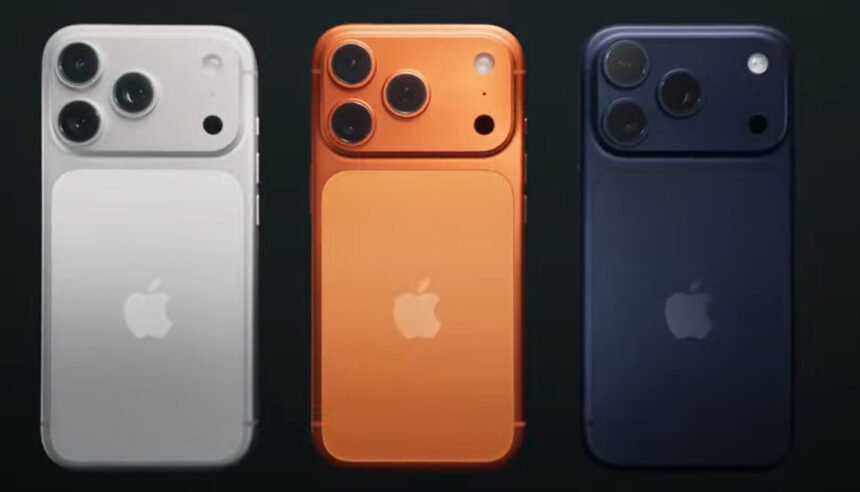
Apple is on track to retake the top position as the world’s leading smartphone brand, potentially surpassing Samsung after a decade-long gap. The driving force behind this resurgence appears to be the exceptional sales performance of the iPhone 17 series, which has captured widespread attention in key markets. According to recent analyses, Apple’s momentum is supported not only by the popularity of its latest models but also by favorable market conditions, including improved US-China trade relations and shifts in currency dynamics. With strong consumer demand and anticipated product innovations, Apple is well-positioned to challenge Samsung’s long-held dominance and potentially secure a sustained lead in the global smartphone market.
iPhone 17 Series and Market Dynamics
The iPhone 17 series, launched in September, has quickly emerged as a pivotal factor in Apple’s market strategy, receiving an overwhelmingly positive response in major regions such as the United States and China. Analysts at Counterpoint Research attribute the surge in sales to a combination of product appeal, technological advancements, and strategic pricing. This positive reception has translated into significant growth in Apple’s revenue, outpacing many of its competitors and creating a potential path for the company to reclaim the number one spot it last held in 2011. Additionally, broader economic factors have contributed to this success. The easing of US-China trade tensions has restored consumer confidence in purchasing premium smartphones, while fluctuations in the US dollar have made iPhones more attractive to international buyers. Counterpoint Research estimates that Apple’s sales could increase by approximately 10% in 2025, compared to Samsung’s projected growth of just 4.6%. This differential, if realized, is expected to elevate Apple’s market share to around 19.4% globally, reflecting both strong demand for current models and the strategic advantage of timely market interventions.
Consumer behavior has also played a key role in Apple’s resurgence. Many smartphone users who purchased devices during the COVID-19 pandemic are now looking to upgrade, driving a wave of replacement sales for the iPhone 17 series. Between 2023 and 2025, roughly 358 million second-hand iPhones changed hands, and a significant portion of these users are expected to transition to the newer iPhone models. Counterpoint analyst Yang Wang noted that this upgrade cycle has created a strong foundation for Apple to sustain high sales volumes over the coming years. The combination of product innovation, consumer upgrade patterns, and improved economic conditions forms a robust ecosystem that could allow Apple to regain and maintain its market leadership.
Future Outlook: Foldable and Budget Models Strengthen Apple’s Position
Looking ahead, Apple is planning several strategic product launches that could further solidify its market position. A foldable iPhone, as well as a more affordable iPhone 17e model, are expected to debut in 2026, broadening Apple’s appeal across different consumer segments. The company is also reportedly preparing significant design updates for 2027, which could help sustain interest and drive additional sales. These innovations, coupled with Apple’s established brand loyalty and technological expertise, position the company to maintain a competitive edge in the increasingly crowded smartphone market. Analysts predict that with these initiatives, Apple is likely to hold the number one position consistently until at least 2029.
Apple’s financial performance reinforces these optimistic projections. Last month, the company reported that its sales growth is exceeding expectations, and the holiday quarter earnings could reach a record $140 billion, reflecting both strong consumer demand and the success of its product lineup. The iPhone 17 series, supported by marketing campaigns and ecosystem integration with other Apple devices, has emerged as a catalyst for the company’s renewed momentum. By leveraging its brand strength, continuous innovation, and strategic market planning, Apple aims not only to surpass Samsung but also to redefine leadership standards in the global smartphone industry.
The resurgence of Apple underscores the dynamic nature of the technology market, where innovation, consumer sentiment, and strategic execution converge to determine leadership. The iPhone 17 series’ success demonstrates how product excellence, combined with favorable macroeconomic conditions and effective market strategies, can propel a company to reclaim dominance after years of intense competition. As Apple prepares for upcoming product launches and navigates evolving consumer preferences, the company appears poised to lead the global smartphone market well into the next decade, reinforcing its reputation as a formidable competitor in the technology sector.
By strategically leveraging market trends, consumer upgrades, and forthcoming product innovations, Apple is poised to solidify its leadership position. The combination of premium device appeal, expansion into new formats such as foldables, and targeted pricing strategies reflects a forward-looking approach that could sustain long-term growth. Counterpoint Research suggests that Apple’s ability to consistently meet consumer demand, coupled with the company’s proactive response to market dynamics, will be instrumental in maintaining its top spot against competitors like Samsung.
The global smartphone industry, projected to grow by around 3.3% in 2025, presents significant opportunities for Apple to consolidate its position. By capturing emerging demand in key markets, particularly China and the United States, and adapting to shifting consumer preferences, Apple could establish a lasting lead. Analysts highlight that sustained innovation, including the integration of advanced features and enhanced user experience, will play a pivotal role in reinforcing Apple’s market dominance. In this context, Apple’s strategic vision and execution will likely define the competitive landscape for smartphone manufacturers over the next several years, marking a critical phase in the company’s ongoing pursuit of market leadership.
Apple’s anticipated trajectory reflects both the strength of its product ecosystem and the effectiveness of its market strategies. The combination of immediate sales momentum, upgrade cycles, and planned product innovations positions Apple to capitalize on emerging trends and maintain a competitive advantage. With robust growth projections, strong consumer adoption, and continued innovation, Apple appears on course to reclaim its number one status, surpassing Samsung after a decade, and shaping the future of the global smartphone market.