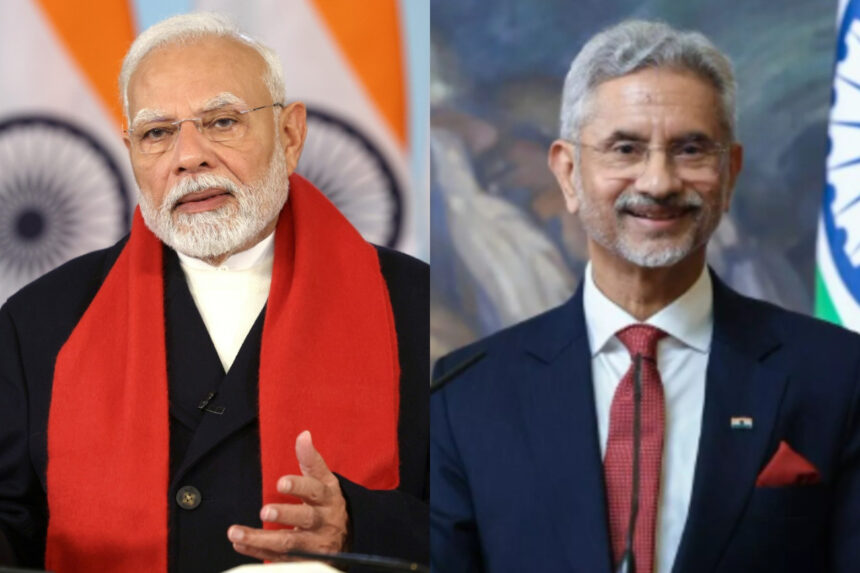
Prime Minister Narendra Modi has decided not to attend the upcoming United Nations General Assembly (UNGA) session in New York later this month, a decision set against the backdrop of escalating trade tensions between India and the United States. The decision marks a significant diplomatic development, given the high-profile nature of the 80th UNGA session, which sees leaders from across the globe convene at a time of overlapping geopolitical crises, including the ongoing Ukraine-Russia conflict and the Israel-Hamas tensions. Instead of the Prime Minister, India’s External Affairs Minister, S. Jaishankar, will represent the country during its scheduled address at the Assembly, demonstrating New Delhi’s continued commitment to multilateral diplomacy even amidst bilateral disagreements with Washington. The choice reflects a careful balancing act by the Indian government, signaling both protest against punitive US tariffs and the intent to remain actively engaged in global diplomatic forums.
India-US Tariff Dispute Shapes Diplomatic Engagement
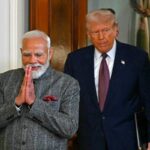
The backdrop to PM Modi’s absence is the ongoing tariff dispute between India and the United States, which has seen relations tested on economic fronts despite shared strategic interests. Earlier this year, PM Modi visited the US and held a bilateral meeting with President Donald Trump at the White House, where both leaders expressed optimism about strengthening trade relations. During this visit, they announced plans to negotiate the first part of a Bilateral Trade Agreement (BTA), which was projected to be mutually beneficial and aimed for completion by fall 2025.
However, tensions escalated after the US administration imposed additional tariffs on Indian imports, citing New Delhi’s purchase of Russian oil amid the ongoing Ukraine conflict. In February, a 25 percent tariff was levied, which was quickly followed by an additional 25 percent, bringing the total punitive tariff burden on India to 50 percent. The Indian Ministry of External Affairs (MEA) publicly criticized the move, describing it as “unjustified” and “unreasonable.” In response, India reaffirmed its commitment to safeguard national interests and economic security, emphasizing that the country would take all necessary measures to protect its economy from what it considers unilateral and politically motivated trade restrictions.
These developments have inevitably influenced India’s diplomatic calendar. PM Modi’s decision to skip the UNGA session, while significant in optics, does not indicate a withdrawal from global engagement but rather a strategic recalibration of India’s participation. By sending S. Jaishankar, India ensures representation at the high-level session while simultaneously signaling dissatisfaction with the US approach to trade relations. This nuanced approach allows India to maintain its international presence and commitments while also asserting its stance on contentious bilateral economic issues.
UN General Assembly Context and India’s Role
The UNGA session, considered the busiest diplomatic season of the year, opens annually in September at the UN Headquarters in New York. This year, the 80th session is particularly significant due to overlapping international crises, including the Israel-Hamas conflict and the ongoing war between Russia and Ukraine. Both issues dominate the global diplomatic agenda and influence discussions on security, humanitarian aid, and economic sanctions.
India is scheduled to address the Assembly on the morning of September 27. Typically, the session is inaugurated by Brazil, followed by other member states, with the United States traditionally taking a prominent role in the early days of the debate. In the current geopolitical scenario, India’s participation, even through External Affairs Minister S. Jaishankar, is critical for articulating its positions on key international issues while managing ongoing bilateral tensions with the US.
Historically, India’s participation in the UNGA has been an opportunity to project its strategic priorities, advocate for multilateralism, and strengthen partnerships across the globe. S. Jaishankar’s role at the upcoming session will likely include reinforcing India’s stance on sovereignty, security, trade fairness, and global economic stability. Moreover, the UNGA platform allows India to engage with multiple world leaders, discuss pressing issues like energy security and global trade reforms, and maintain visibility in a crowded diplomatic calendar.
By sending Jaishankar, India maintains its diplomatic leverage, ensuring its voice is heard without compromising the political signaling associated with PM Modi’s absence. The move also demonstrates India’s reliance on institutional diplomacy and senior ministerial representation to navigate complex bilateral and multilateral landscapes. Observers note that such decisions are often calculated to balance domestic considerations, international obligations, and the nuanced dynamics of ongoing trade disputes.
The timing of India’s scheduled address is crucial, as it coincides with ongoing discussions on global economic recovery, energy security, and trade reforms in the post-pandemic era. India’s delegation will likely emphasize the importance of cooperative engagement while articulating concerns regarding unilateral trade measures, particularly those perceived as punitive or politically motivated. The speech may also highlight India’s efforts to maintain energy security amid volatile international markets and the country’s commitment to multilateral frameworks for dispute resolution.
Strategic Significance of PM Modi’s Decision
PM Modi’s absence from the UNGA session underscores the interplay between domestic economic considerations and international diplomacy. While the US-India relationship remains strategically important, particularly in the context of defense, counterterrorism, and Indo-Pacific cooperation, economic disagreements, especially concerning tariffs, have emerged as a prominent source of tension. By opting out of the session, PM Modi sends a subtle but firm signal regarding India’s position on fair trade and the handling of economic sovereignty.
Experts suggest that the decision reflects a careful diplomatic calculus. Attending the UNGA amidst heightened bilateral friction might have diluted India’s negotiating position or distracted from messaging on other critical global issues. By delegating representation to S. Jaishankar, India preserves both its commitment to multilateral engagement and the ability to express its concerns regarding US trade actions through a senior and capable minister.
Furthermore, the move highlights India’s evolving approach to global diplomacy, where decisions are increasingly guided by strategic timing, issue prioritization, and domestic policy considerations. India’s choice to prioritize ministerial representation over personal attendance reflects a broader trend in international relations, where countries calibrate participation in high-level forums to maximize influence while safeguarding core national interests.
Observers also note that PM Modi’s decision is likely to be interpreted within the broader context of India-US ties, which encompass cooperation in defense, technology, energy, and global security. While tariffs have introduced friction, the overall bilateral framework remains robust, characterized by high-level dialogue, shared strategic interests, and a long history of collaboration. India’s approach demonstrates an ability to compartmentalize disagreements, addressing specific economic disputes while maintaining the overall trajectory of the strategic partnership.
The UNGA session this year offers India an important opportunity to reinforce its global economic and political positions, particularly through discussions on equitable trade practices, energy security, and multilateral conflict resolution. By ensuring representation at the ministerial level, India can continue to advance its diplomatic agenda effectively, engaging with multiple stakeholders and negotiating outcomes favorable to its national interests.
PM Modi’s decision to skip the UN General Assembly session in September is a calculated diplomatic move in the context of escalating tariff tensions with the United States. While his absence is significant, it does not diminish India’s commitment to multilateral engagement or its participation in critical global discussions. By sending External Affairs Minister S. Jaishankar, India maintains its presence at the highest levels, signaling both its displeasure with unilateral trade measures and its continued dedication to shaping international discourse on economic, security, and geopolitical issues. The decision underscores India’s ability to balance domestic economic priorities with its role on the global stage, demonstrating strategic foresight in navigating a complex and dynamic international environment.