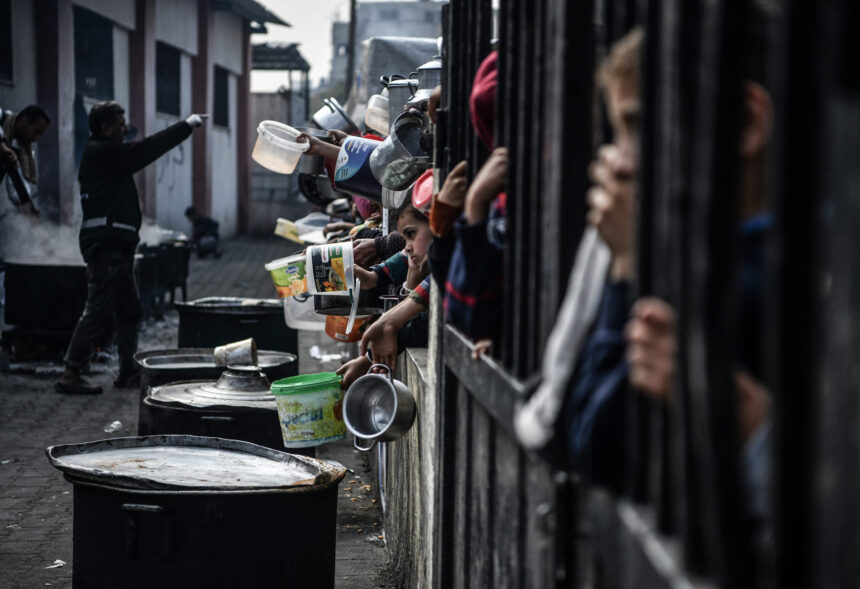
The humanitarian situation in Gaza remains dire as the flow of aid is severely hampered by ongoing violence and looting. Despite some easing of the Israeli blockade and the entry of hundreds of aid trucks, the distribution of food and medical supplies to the two million people trapped in the region has been chaotic and insufficient. Israeli airstrikes have killed several Palestinians tasked with guarding aid deliveries, while armed groups have looted critical supplies, worsening the crisis and raising fears of growing hunger and insecurity among civilians.
Aid Blockade and Delivery Challenges
Since Israel relaxed its blockade earlier this week, 305 trucks carrying flour, food, and medical supplies have crossed into Gaza through the Kerem Shalom crossing. However, aid agencies estimate that at least 500 to 600 trucks are needed daily to meet urgent needs. Palestinian aid groups report that distribution has been disrupted by looting, especially near the city of Khan Younis, where some groups—sometimes armed—have stolen food meant for vulnerable families and children. The United Nations World Food Programme also confirmed that multiple aid trucks had been looted, highlighting the desperate conditions inside Gaza.
Hamas officials reported that six members of security teams protecting the aid shipments were killed in Israeli airstrikes, which has further complicated the delivery process. Israel maintains that the blockade was imposed to prevent Hamas from misusing aid, but Hamas denies these accusations, claiming its fighters are protecting vital supplies from armed looters. Israeli military officials refer to these looters as disruptive elements hampering aid distribution.
International Pressure and Ongoing Conflict
The situation is worsened by the ongoing military operations by Israel, which has intensified its air and ground campaign following the Hamas attack on October 7, 2023. The conflict has caused extensive devastation and loss of life in Gaza, with over 53,000 Palestinians reported dead according to local health authorities. International calls for increased and safe aid access have grown urgent, with United Nations Secretary-General Antonio Guterres warning of severe long-term consequences if aid is not delivered promptly.
Germany and other nations have criticized the current level of aid delivery as insufficient and slow. Israel has announced plans for a new aid distribution system overseen by private contractors and supported by the United States, but the United Nations has refused to cooperate, citing concerns that the system would politicize aid distribution. Meanwhile, Israel continues to carry out strikes targeting weapons and militant infrastructure, killing dozens in recent attacks, even as aid trucks slowly enter the region.
The precarious balance of military conflict and humanitarian need underscores the complexity and urgency of resolving the Gaza crisis, as millions of civilians remain trapped amidst violence and scarcity.