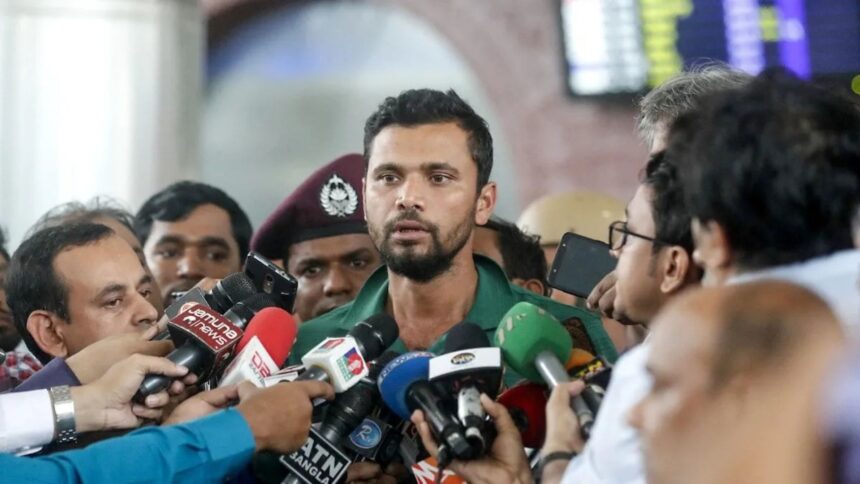
The ICC Men’s T20 World Cup 2026 has drawn unexpected attention even before the first ball is bowled, as a controversy over media accreditation involving Bangladeshi journalists has raised questions about access, fairness, and transparency in global cricket administration. With the tournament set to be co-hosted by India and Sri Lanka, the debate has shifted focus from on-field action to off-field decision-making, highlighting the complex relationship between international sporting bodies, national cricket boards, and the media that covers the game.
How the accreditation dispute unfolded
The issue surfaced after reports emerged that a significant number of Bangladeshi journalists had either been denied or left uncertain about their accreditation status for the 2026 T20 World Cup. According to media reports, applications from dozens of journalists were not approved in the initial round of accreditations issued by the International Cricket Council. This development triggered concern and criticism within Bangladesh’s media circles, where journalists questioned why their applications had not been accommodated despite the global significance of the tournament.
The controversy gained momentum because the decision appeared to coincide with Bangladesh’s withdrawal from the tournament. The Bangladesh Cricket Board had earlier communicated concerns related to security and travel, leading to the national team opting out of participation in matches scheduled in India. This withdrawal altered the tournament structure and prompted adjustments by the ICC, including changes in team line-ups and scheduling.
However, many journalists argued that the participation of a national team should not determine media access. From their perspective, covering a global event like the T20 World Cup extends beyond reporting on one country’s matches. Journalists from Bangladesh, they said, have professional obligations to cover international cricket as a whole, including teams, players, and developments that interest Bangladeshi audiences regardless of their own team’s involvement.
As news of the accreditation issue spread, it sparked wider debate across South Asian media about whether accreditation decisions were being influenced by factors unrelated to journalistic merit or capacity. The lack of detailed communication in the initial stages added to the confusion, leaving applicants unsure whether their rejections were final or part of an ongoing review process.
ICC clarification and broader implications for cricket journalism
In response to the growing criticism, the ICC issued a clarification stating that Bangladeshi journalists were not being singled out or permanently excluded. According to the ICC, the accreditation process was under review due to changes in circumstances surrounding the tournament, including the revised participation list and logistical considerations. Officials emphasized that the situation was evolving and that accreditation lists were being adjusted accordingly.
The ICC’s explanation pointed to practical constraints, such as venue capacity, media infrastructure, and the overall number of applications received from different countries. With the T20 World Cup expected to attract unprecedented global media interest, competition for accreditation slots has intensified. The ICC suggested that not all applications from any single country could be accommodated, particularly when the applicant pool exceeded available resources.
Despite this clarification, questions remain about transparency and communication. Media organizations in Bangladesh have expressed dissatisfaction with what they see as a lack of clear guidelines and timely information. For journalists, accreditation is not merely an administrative formality but a professional necessity that affects planning, travel, and editorial decisions months in advance. Uncertainty over access can disrupt coverage strategies and strain relations between media houses and governing bodies.
The controversy has also drawn attention to the evolving role of sports journalism in a digital age. With cricket’s global reach expanding through online platforms, fans increasingly rely on diverse media voices for analysis and reporting. Restricting access, even unintentionally, can limit the range of perspectives available to audiences and weaken the connection between the sport and its followers in different regions.
At the institutional level, the situation has prompted the Bangladesh Cricket Board to seek further clarification from the ICC. The board has reportedly asked for a detailed explanation of the criteria used in the accreditation process and whether future revisions could allow broader representation from Bangladeshi media. While the BCB does not control ICC accreditation decisions, its involvement underscores the national significance of the issue.
Beyond Bangladesh, the episode serves as a reminder of the delicate balance international sports bodies must maintain. Managing large-scale events like the T20 World Cup involves logistical realities, but it also requires sensitivity to perceptions of fairness and inclusivity. As cricket continues to position itself as a truly global sport, how institutions handle media access may shape trust and credibility as much as decisions made on the field.
The accreditation row has therefore become more than a procedural dispute. It reflects broader tensions around governance, communication, and the role of the media in modern sport. With the ICC indicating that the process remains under review, many journalists are waiting to see whether revised decisions will ease concerns or whether the debate will continue as the tournament approaches.