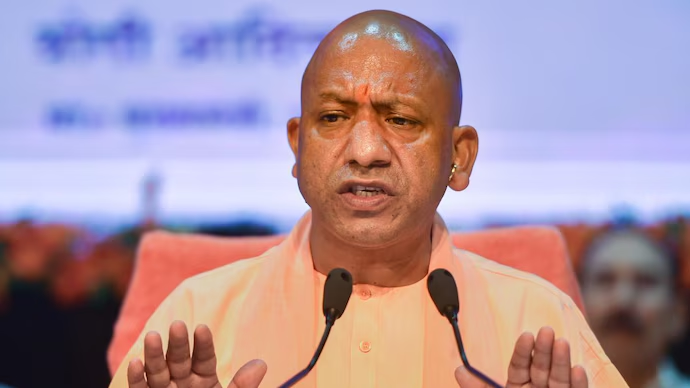
Uttar Pradesh Chief Minister Yogi Adityanath on Sunday inaugurated the state’s first green hydrogen plant in Khanimpur village, Gorakhpur, marking a major milestone in India’s transition towards renewable energy. The facility, set up jointly by Torrent Gas and Torrent Power, represents the country’s second operational green hydrogen plant and is expected to play a transformative role in promoting sustainable energy, reducing carbon emissions, and improving public health. Green hydrogen, produced by splitting water into hydrogen and oxygen using electricity generated entirely from renewable sources, embodies the vision of a cleaner and more sustainable energy future. Yogi Adityanath highlighted the strategic significance of this development, emphasizing that green hydrogen is not just a step towards cleaner fuel but also a critical component in addressing environmental degradation, preserving biodiversity, and reducing the health risks associated with pollution and climate change. The event also witnessed the participation of Gorakhpur MP Ravi Kishan and Sahjanwa MLA Pradeep Shukla, who praised the plant for its potential to drive a green energy revolution and contribute to Uttar Pradesh’s goal of becoming a developed state by 2047. The Chief Minister further reinforced the state’s commitment to environmental protection by planting a Rudraksha sapling at the plant site, symbolizing the integration of technological innovation with ecological conservation.
Emergence of Uttar Pradesh as a Green Hydrogen Hub
The inauguration of the Khanimpur facility signals Uttar Pradesh’s intent to position itself as a key player in India’s green hydrogen economy. With abundant water resources, the state has significant potential for scaling up production, blending hydrogen with conventional fuels such as CNG and PNG for domestic and industrial applications. Green hydrogen, despite being colorless, derives its “green” designation from its sustainable production process, which relies entirely on renewable energy and eliminates the use of fossil fuels. Yogi Adityanath noted that the adoption of green hydrogen aligns with broader national and global efforts to reduce carbon footprints, combat climate change, and transition to sustainable energy systems. By integrating hydrogen into everyday energy consumption, including transportation and industrial processes, Uttar Pradesh is setting a precedent for other states seeking to reduce reliance on fossil fuels. The plant is expected to not only provide cleaner fuel alternatives but also generate employment opportunities, foster technological innovation, and attract investment in the renewable energy sector, ultimately contributing to the state’s long-term economic development. CM Yogi Adityanath drew parallels with past successful green initiatives such as LED streetlights, which significantly lowered energy consumption and carbon emissions, underscoring the transformative potential of green hydrogen as a mainstream energy solution.
In his address, the Chief Minister highlighted the affordability potential of green hydrogen, predicting that costs would decrease over time similar to mobile phones, which were initially expensive but eventually became accessible to the masses. He stressed that clean energy is not only vital for environmental preservation but also for public health, as excessive pollution, unregulated chemical usage in agriculture, and deforestation have contributed to the rise of diseases like cancer, liver disorders, and respiratory ailments. By investing in green energy, including hydrogen, and promoting natural farming practices, Uttar Pradesh aims to ensure a healthier and sustainable future for its citizens. The Gorakhpur plant represents a tangible manifestation of these objectives, serving as a model for integrating renewable energy technology with regional resource advantages, local governance priorities, and long-term ecological planning. Local leaders emphasized the strategic importance of the project, with MP Ravi Kishan describing it as a “game-changer” capable of redefining energy infrastructure and inspiring similar initiatives across northern India.
Environmental, Health, and Socioeconomic Implications
The green hydrogen plant in Gorakhpur not only advances clean energy production but also embodies broader environmental, health, and socioeconomic benefits. By reducing dependence on fossil fuels, the facility contributes to lowering greenhouse gas emissions and mitigating climate change impacts, which are increasingly felt through irregular rainfall patterns, extreme weather events, and environmental degradation. CM Yogi Adityanath highlighted that unchecked exploitation of natural resources, excessive use of pesticides and chemical fertilizers, and deforestation have created severe ecological and public health challenges. Green hydrogen, by providing a zero-emission alternative, addresses these concerns while fostering sustainable industrial growth and energy security. The integration of hydrogen with existing fuel infrastructure ensures that clean energy adoption can be scaled efficiently across domestic and commercial sectors, supporting industries, transportation, and households alike. Moreover, such initiatives enhance the state’s strategic energy profile, aligning with national objectives to achieve carbon neutrality and energy resilience. The plant’s establishment in Gorakhpur also underscores the importance of regional planning in renewable energy deployment, demonstrating how states can leverage local resources, technological partnerships, and policy frameworks to become leaders in sustainable energy production. The Chief Minister’s symbolic planting of a Rudraksha sapling at the site highlighted the intertwining of technological progress with environmental stewardship, reinforcing Uttar Pradesh’s commitment to protecting biodiversity while promoting economic growth.
CM Yogi Adityanath further articulated the vision that green hydrogen, like previous technological innovations, will become increasingly affordable, accessible, and integral to daily life. By pioneering the adoption of renewable energy solutions, the state aims to inspire citizens, businesses, and local administrations to embrace sustainable practices and reduce ecological footprints. The Gorakhpur facility is expected to function as a nucleus for knowledge sharing, research, and innovation in clean energy, potentially catalyzing the development of ancillary industries such as renewable energy equipment manufacturing, hydrogen storage technology, and green industrial applications. As policymakers, local leaders, and industrial stakeholders collaborate to optimize hydrogen utilization, Uttar Pradesh is poised to emerge as a strategic center for green energy, contributing both to national climate goals and the socioeconomic upliftment of its population. By establishing such facilities, the state not only demonstrates technological leadership but also reinforces the message that economic development, public health, and environmental protection are mutually reinforcing objectives in the 21st century.
The green hydrogen plant in Gorakhpur marks a turning point in Uttar Pradesh’s energy landscape, reflecting a commitment to innovation, sustainability, and regional development. The facility exemplifies how cutting-edge technology can coexist with ecological preservation, enabling the state to balance industrial growth with environmental responsibility. As green hydrogen becomes integrated into the energy mix, the state expects to achieve reductions in carbon emissions, improvements in public health, and enhanced industrial competitiveness. The project is also symbolic of broader national efforts to transition towards renewable energy, positioning India as a leader in the global clean energy revolution. By combining strategic investment, policy support, and technological expertise, Uttar Pradesh’s green hydrogen initiative serves as a model for other states seeking to align economic development with environmental sustainability. Leaders, citizens, and experts recognize that projects of this scale have the potential to reshape energy infrastructure, create sustainable employment opportunities, and inspire a new generation of innovators dedicated to advancing renewable energy solutions.
Through initiatives like the Gorakhpur green hydrogen plant, Uttar Pradesh is not only addressing contemporary environmental challenges but also contributing to a long-term vision of a sustainable, healthy, and technologically advanced state. By prioritizing renewable energy, minimizing carbon footprints, and integrating innovative fuel solutions into public and industrial life, the state exemplifies a model of responsible governance and forward-looking planning. The project demonstrates how strategic deployment of green technologies can simultaneously meet energy demands, support economic growth, and protect natural ecosystems. As the facility begins operations, it is expected to serve as a catalyst for further investment in renewable energy, encouraging other regions to replicate similar projects and advance India’s broader goal of sustainable development.
This transformative initiative aligns with the state government’s larger agenda of becoming a developed state by 2047, reflecting a commitment to harnessing clean energy, promoting sustainable industrialization, and protecting public health. By combining advanced technology, renewable energy expertise, and environmental stewardship, the green hydrogen plant in Gorakhpur illustrates how innovative projects can create lasting benefits for society while positioning Uttar Pradesh as a leader in India’s clean energy transition. The plant not only marks a significant achievement in renewable energy adoption but also represents a milestone in the state’s journey toward sustainable development, demonstrating the potential of green hydrogen to revolutionize the energy sector, enhance ecological resilience, and improve quality of life for citizens across the region.
Through collaborative efforts between the government, private sector, and local communities, Uttar Pradesh is paving the way for a sustainable energy ecosystem that balances industrial growth, environmental protection, and social well-being. The Gorakhpur green hydrogen plant stands as a testament to the state’s commitment to innovation, sustainability, and long-term development, establishing a blueprint for similar projects nationwide. By championing green energy solutions, the state is not only advancing technology but also inspiring a cultural shift toward ecological responsibility and conscious resource utilization, ensuring that future generations inherit a cleaner, healthier, and more prosperous environment.