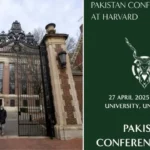
The aftermath of the deadly Pahalgam terror attack in Jammu and Kashmir has reached beyond the Indian borders, sparking intense criticism of Harvard University in the United States. A conference focused on Pakistan, held at Harvard’s South Asia Institute, has raised strong objections from Indian students. The event, which occurred shortly after the April 22 terrorist attack, featured prominent Pakistani leaders, including Pakistan’s Finance Minister Muhammad Aurangzeb and Ambassador to the US Rizwan Saeed Sheikh. The involvement of these figures has led to backlash from the Indian student community, who accuse Pakistan of supporting religiously motivated attacks against Hindus in India.
Indian Students Protest Over Pakistani Delegates’ Participation
Indian students at Harvard University have voiced their concerns over the participation of Pakistani delegates in the conference, especially given the timing of the Pahalgam attack, which specifically targeted Hindu tourists. In a letter to Harvard’s management, two students, Surabhi Tomar and Abhishek Chaudhari, expressed their grief over the attack and highlighted that the victims were targeted based on their religious identity. The letter called for the cancellation of visas for the Pakistani officials attending the event, particularly criticizing Pakistan’s support for Kashmiri insurgents linked to groups like Lashkar-e-Taiba (LeT).
The students’ letter to Harvard stressed that welcoming representatives from a government that endorses religious-based terrorism would implicate the university in legitimizing such actions. They demanded that the university issue a public statement condemning the attack, reconsider the participation of Pakistani officials, and provide support to students affected by the violence. They also urged the university to take a strong stance against Hinduphobia, given the targeted killing of Hindus in the attack.
Harvard’s Response to the Controversy
The conference, which was reportedly organized by Pakistani students at Harvard, has sparked a fresh debate. While the university facilitated logistical arrangements, it is claimed that the role of Harvard’s administration was limited to coordination. However, the controversy intensified after it emerged that Hitesh Hathi, Executive Director of Harvard’s South Asia Institute, participated in a panel discussion with Pakistani-American historian Ayesha Jalal. This panel, titled “The Enlightened Muslim: Examining the Intersection of Religion, Modernity, and State Formation in Pakistan,” was later removed from the institute’s website, raising questions about transparency and the university’s stance.
Some observers suggested that the conference was an attempt to boost Pakistan’s presence in US academic circles, especially given the decline in the number of Pakistani students in the US compared to other nations like India and China. Pakistan currently has significantly fewer students studying in the US than neighboring countries like Bangladesh and Nepal.
The Pahalgam Terror Attack and Its Aftermath
The terror attack in Pahalgam, carried out by militants associated with Lashkar-e-Taiba, resulted in the deaths of 26 people, including foreign nationals, and left many others injured. The attack targeted a group of tourists and is considered one of the deadliest incidents in Jammu and Kashmir since the 2019 Pulwama attack. In response, India took diplomatic action against Pakistan, suspending the Indus Waters Treaty, expelling military officials, and reducing the strength of Pakistan’s mission in New Delhi.
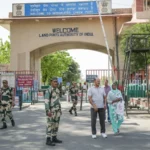
Pakistan, in turn, announced its intention to withdraw from the 1972 Simla Agreement and shut down the Wagah border crossing with India. Prime Minister Narendra Modi, while addressing a rally in Bihar, promised strong retaliation against those responsible for the attack, stating that India would “pursue the terrorists to the end of the earth.” Pakistan’s Prime Minister Shehbaz Sharif warned that any disruption to the flow of water from the Indus River would be treated as an act of war.
A Growing Tension Between India and Pakistan
The backlash against Harvard University highlights the tensions between India and Pakistan, exacerbated by the recent terror attack. Indian students’ objections to the participation of Pakistani officials at the conference reflect broader concerns about Pakistan’s role in cross-border terrorism. As both countries continue to engage in diplomatic and military maneuvers, the international community, including academic institutions like Harvard, finds itself at the crossroads of geopolitical tensions.
Harvard’s handling of the situation will likely shape the discourse surrounding the university’s approach to such sensitive issues. While some argue that academic platforms should remain neutral, others believe that institutions have a responsibility to take a stand against violence and terrorism. The situation continues to unfold as both countries face escalating tensions, with Indian students demanding more action from global institutions in holding perpetrators accountable for their actions.