The budget session of Parliament, commencing on Friday with the presentation of the Economic Survey 2024-25, is set to witness the tabling of 16 crucial bills, including the Finance Bill 2025, the Waqf (Amendment) Bill, and amendments to the Banking Regulations Act. The session will also feature discussions on the merging of the Indian Railways and Indian Railways Board Acts, along with several legislative measures addressing financial, maritime, and disaster management regulations.
Among the legislative proposals to be taken up in this session are amendments to the Disaster Management and Oilfields (Regulation and Development) laws. Bills concerning coastal and merchant shipping regulations are also expected, along with a proposal to rename the Institute of Rural Management Anand as Tribhuvan Sahkari University and confer upon it the status of an institution of national importance. The session is likely to introduce measures aimed at safeguarding financial interests in the aviation sector and revising regulations related to immigration and the entry of foreigners. Another significant bill to be introduced will focus on the readjustment of representation for Scheduled Tribes in the Assembly constituencies of Goa, ensuring better political representation for tribal communities in the state.
The Waqf (Amendment) Bill, a contentious piece of legislation, is among the most debated proposals of this session. Initially tabled in August 2023, it seeks to introduce 44 changes in the governance of Muslim charitable properties in India. The bill faced intense opposition when first presented and was subsequently referred to a Joint Parliamentary Committee led by Member of Parliament Jagadambika Pal. The committee, despite facing resistance from opposition members, has made 14 recommendations, all of which come from the ruling party and its allies, while rejecting 44 proposals put forth by the opposition. The revised bill, along with the committee’s recommendations, will be taken up for debate in the current session.
Another major highlight of the session will be the Finance Bill, which is expected to introduce a new direct tax code aimed at simplifying income tax laws. This will replace the existing Income Tax Act of 1961, streamlining tax calculations and making the filing process easier for taxpayers. Additionally, the Finance Bill will outline significant economic reforms and play a central role in implementing Finance Minister Nirmala Sitharaman’s budgetary proposals. The government is also planning amendments to banking laws to enhance governance and improve investor protections while making banking transactions and nominations more consumer-friendly.
The session will also focus on modernizing maritime regulations, with several bills, including the Bills of Lading Bill, the Carriage of Goods by Sea Bill, the Coastal Shipping Bill, and the Merchant Shipping Bill 2024, set to be introduced. These legislative measures aim to update existing laws governing shipping and trade. The Oilfields (Amendment) Bill is expected to propose changes in oil exploration and extraction laws, while the Boilers Bill will introduce updated safety guidelines for industrial applications.
Another key proposal is the Disaster Management (Amendment) Bill, which will shift the responsibility of preparing disaster response plans to central and state-level authorities. This will ensure better coordination and a more efficient response system, with updated databases aiding disaster preparedness efforts.
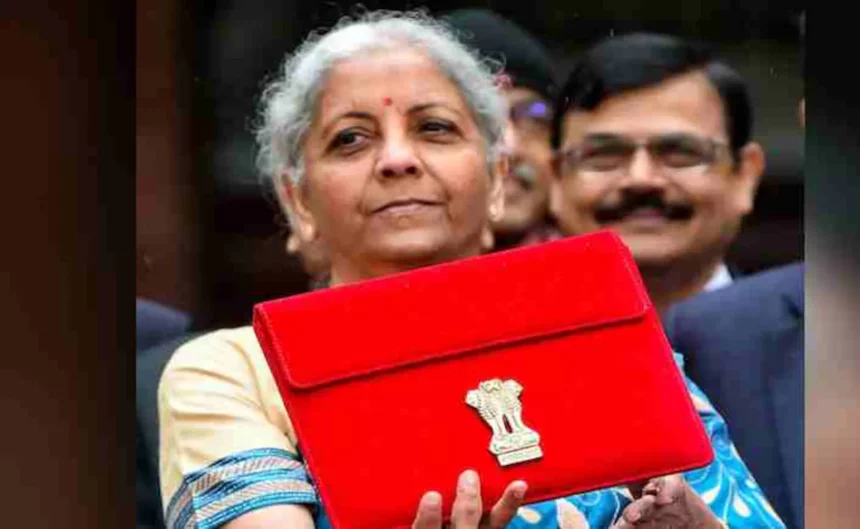
With Finance Minister Nirmala Sitharaman presenting her eighth Union Budget during this session, only two short of the record 10 budgets presented by Morarji Desai, expectations are high for significant legislative action. The session is expected to be highly eventful, with several key reforms shaping India’s governance, economy, and regulatory framework in the coming months.