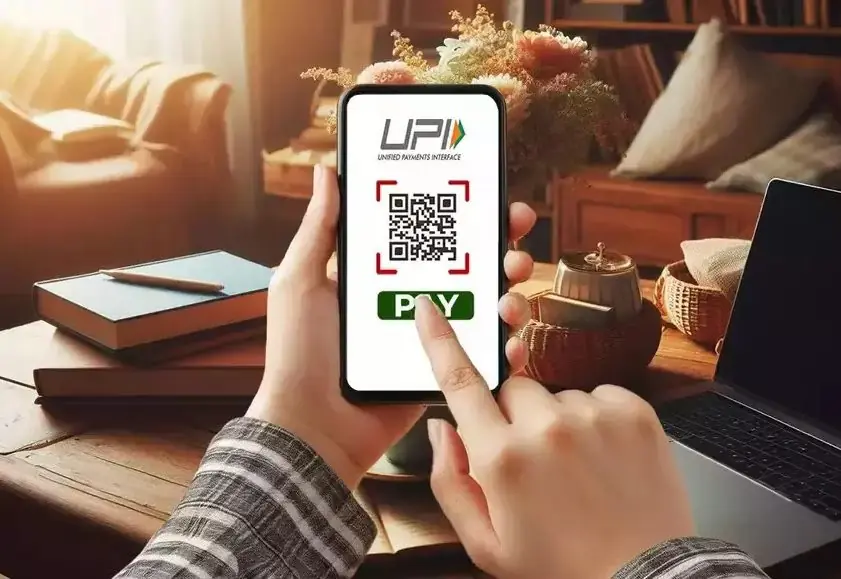
India’s digital payment ecosystem is preparing for a major leap as the National Payments Corporation of India (NPCI) readies an option for users to split UPI transactions into equated monthly instalments (EMIs) simply by scanning a QR code. The development comes at a time when UPI has already grown into the country’s most widely used payment system and is steadily expanding its scope to include credit-driven transactions. By allowing purchases to be converted into EMIs in real time, the move is expected to broaden access to credit, encourage high-value spending, and push UPI further into areas traditionally dominated by cards and banking channels.
How the EMI Feature Will Work
The upcoming feature is designed to mirror the familiar point-of-sale card experience, where consumers can convert their transactions into EMIs instantly at the payment terminal. With the UPI-based model, users will be able to scan a merchant’s QR code and choose an EMI option, provided eligibility conditions are met by their bank or fintech partner.
NPCI has not formally rolled out the service yet, but industry executives confirm it is in advanced stages of preparation. Navi CEO Rajiv Naresh said that while the option is not yet active, the next phase of UPI innovation will make it possible for customers to split purchases into instalments directly at the time of payment. This will not only provide flexibility to consumers but also encourage merchants to enable higher-value transactions.
The expansion builds on recent steps such as the integration of RuPay credit cards with UPI and the inclusion of credit lines, both of which have gained significant traction in the last year. Together, these measures are positioning UPI not just as a digital payment tool but also as a credit delivery channel.
Revenue Opportunities and Industry Response
Industry players see a major opportunity in the EMI rollout. According to a Gurugram-based fintech founder, NPCI is expected to charge an interchange fee of about 1.5 per cent on credit lines used via UPI, creating a new revenue stream for banks and payment service providers. PayU CEO Anirban Mukherjee also highlighted the transformative potential of instant credit through UPI, describing it as a key step in unlocking the next wave of financial inclusion and digital adoption.
Several banks are already collaborating with fintech firms such as Navi and Paytm to integrate credit solutions into UPI. For these players, the EMI feature represents a natural extension of existing partnerships, offering consumers more flexible ways to manage purchases while ensuring revenue flows for providers. The seamless QR-based model, in particular, is expected to accelerate adoption among younger users and urban consumers who are increasingly open to leveraging credit for lifestyle and investment needs.
India’s digital payment ecosystem is preparing for a major leap as the National Payments Corporation of India (NPCI) readies an option for users to split UPI transactions into equated monthly instalments (EMIs) simply by scanning a QR code. The development comes at a time when UPI has already grown into the country’s most widely used payment system and is steadily expanding its scope to include credit-driven transactions. By allowing purchases to be converted into EMIs in real time, the move is expected to broaden access to credit, encourage high-value spending, and push UPI further into areas traditionally dominated by cards and banking channels.
How the EMI Feature Will Work
The upcoming feature is designed to mirror the familiar point-of-sale card experience, where consumers can convert their transactions into EMIs instantly at the payment terminal. With the UPI-based model, users will be able to scan a merchant’s QR code and choose an EMI option, provided eligibility conditions are met by their bank or fintech partner.
NPCI has not formally rolled out the service yet, but industry executives confirm it is in advanced stages of preparation. Navi CEO Rajiv Naresh said that while the option is not yet active, the next phase of UPI innovation will make it possible for customers to split purchases into instalments directly at the time of payment. This will not only provide flexibility to consumers but also encourage merchants to enable higher-value transactions.
The expansion builds on recent steps such as the integration of RuPay credit cards with UPI and the inclusion of credit lines, both of which have gained significant traction in the last year. Together, these measures are positioning UPI not just as a digital payment tool but also as a credit delivery channel.
Revenue Opportunities and Industry Response
Industry players see a major opportunity in the EMI rollout. According to a Gurugram-based fintech founder, NPCI is expected to charge an interchange fee of about 1.5 per cent on credit lines used via UPI, creating a new revenue stream for banks and payment service providers. PayU CEO Anirban Mukherjee also highlighted the transformative potential of instant credit through UPI, describing it as a key step in unlocking the next wave of financial inclusion and digital adoption.
Several banks are already collaborating with fintech firms such as Navi and Paytm to integrate credit solutions into UPI. For these players, the EMI feature represents a natural extension of existing partnerships, offering consumers more flexible ways to manage purchases while ensuring revenue flows for providers. The seamless QR-based model, in particular, is expected to accelerate adoption among younger users and urban consumers who are increasingly open to leveraging credit for lifestyle and investment needs.
Higher Transaction Limits Boosting UPI’s Scope
The timing of the EMI feature coincides with a broader expansion of UPI transaction limits across categories. From this month, the cap for investments and insurance has been raised from ₹2 lakh to ₹5 lakh per transaction, with a daily ceiling of ₹10 lakh. On the government e-marketplace and for tax payments, the limit now stands at ₹5 lakh per transaction, up from the previous ₹1 lakh.
Travel bookings also see a major jump, with ₹5 lakh allowed per transaction and ₹10 lakh daily. Credit card bill payments through UPI can now go up to ₹5 lakh at once, with a daily cap of ₹6 lakh. Similarly, EMI and loan collections have been permitted up to ₹5 lakh per transaction, with an overall daily ceiling of ₹10 lakh. The jewellery sector benefits from an increased cap of ₹2 lakh per transaction, double the earlier limit, while term deposit payments have been expanded to ₹5 lakh per transaction.
These revisions indicate UPI’s growing role in handling larger financial commitments, aligning well with the upcoming EMI facility that will encourage users to take advantage of credit for high-value purchases.
The timing of the EMI feature coincides with a broader expansion of UPI transaction limits across categories. From this month, the cap for investments and insurance has been raised from ₹2 lakh to ₹5 lakh per transaction, with a daily ceiling of ₹10 lakh. On the government e-marketplace and for tax payments, the limit now stands at ₹5 lakh per transaction, up from the previous ₹1 lakh.
Travel bookings also see a major jump, with ₹5 lakh allowed per transaction and ₹10 lakh daily. Credit card bill payments through UPI can now go up to ₹5 lakh at once, with a daily cap of ₹6 lakh. Similarly, EMI and loan collections have been permitted up to ₹5 lakh per transaction, with an overall daily ceiling of ₹10 lakh. The jewellery sector benefits from an increased cap of ₹2 lakh per transaction, double the earlier limit, while term deposit payments have been expanded to ₹5 lakh per transaction.
These revisions indicate UPI’s growing role in handling larger financial commitments, aligning well with the upcoming EMI facility that will encourage users to take advantage of credit for high-value purchases.