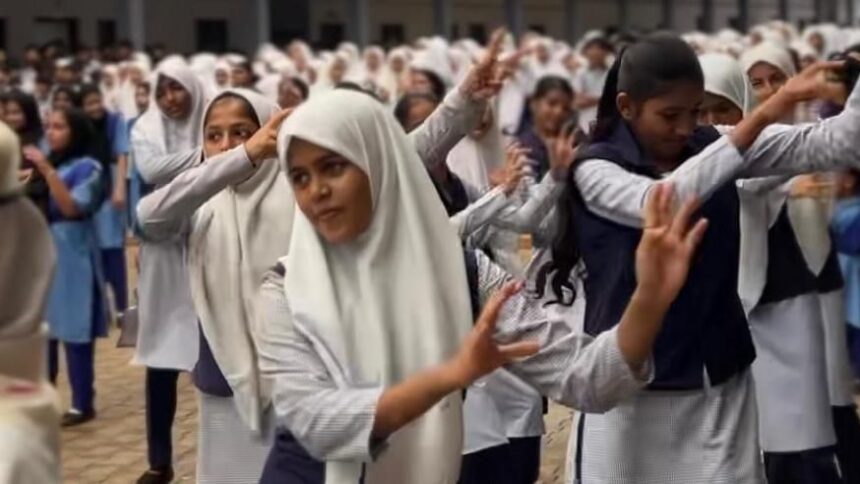
A recent report presented in the Kerala Assembly has raised serious concerns about school infrastructure across the state, revealing that as many as 1,157 schools currently have buildings deemed unsafe for conducting classes. The figures, shared by the Local Self Government Department (LSGD), underscore the challenges facing the state’s education system at a time when the government has been highlighting its achievements in modernizing classrooms and upgrading facilities. The findings have brought renewed attention to the urgent need for structural safety and the responsibility of local bodies to certify schools before each academic year begins. At the same time, the government’s decision to introduce Zumba as part of an anti-drug initiative in schools has triggered a social and cultural debate, reflecting the tensions between modern educational practices and traditional values.
Unsafe Buildings Pose Risk for Thousands of Students
General Education Minister V. Sivankutty, responding to a query by Karunagappally MLA C. R. Mahesh, admitted that the situation is serious and acknowledged the government’s responsibility in addressing it. He explained that while construction of new school buildings is underway through plan funds and the Kerala Infrastructure Investment Fund Board (KIIFB), additional allocations are being made for the maintenance of older facilities. The minister emphasized that ensuring the safety of students remains a priority, but the sheer scale of the issue indicates that immediate and large-scale intervention is necessary.
District-wise data reflects the widespread nature of the problem, with Kollam topping the list at 143 schools with unsafe structures, followed by Alappuzha with 134 and Thiruvananthapuram with 120. The rules currently require all schools to secure annual fitness certificates from their respective local bodies before reopening, but the report suggests that compliance has not been adequate. For thousands of students who continue to study in unsafe buildings, the risk remains both real and pressing, highlighting the urgency for swift renovation and stronger monitoring mechanisms.
Zumba in Classrooms Sparks Cultural and Religious Disputes
While grappling with infrastructure concerns, the state has also been drawn into a cultural controversy following the government’s introduction of Zumba sessions in schools. The initiative, launched in July as part of an anti-drug campaign, aims to promote physical fitness and mental well-being among students. Advocates of the program argue that it provides a healthy outlet for children, helping them reduce stress, boost confidence, and adopt healthier lifestyles. Roma Mansoor, a certified international Zumba instructor, praised the move as a forward-looking initiative that not only encourages fitness but also addresses growing concerns about student anxiety, poor mental health, and unhealthy addictions.
However, the move has not been without opposition. Several religious groups have objected to the practice, raising concerns about boys and girls dancing together and the possibility of inappropriate attire. The criticism gained momentum after TK Ashraf, a teacher and General Secretary of the Wisdom Islamic Organisation, declared publicly that he and his son would not participate in the program. Religious leaders, including Nassar Faizy Koodathai of Samastha Kerala Jamiyyathul Ulama, further criticized the sessions as a violation of students’ rights and an imposition of values they deemed unsuitable.
The state government has strongly defended its decision, clarifying that participation in the Zumba program is voluntary and that students are required to perform in their school uniforms, not in revealing clothing. Minister V. Sivankutty dismissed the objections as misplaced and harmful, warning that opposing such activities could inject what he described as “poison more deadly than drugs” into society. Senior CPI(M) leader MA Baby also backed the government, stressing that the controversy was based on misconceptions and that the initiative should be seen as part of a broader effort to safeguard students from harmful influences.