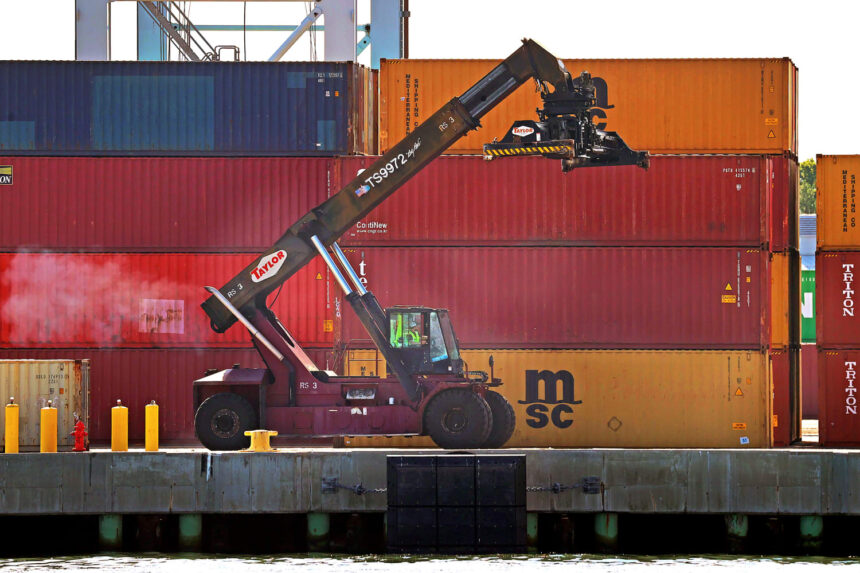
After a tense round of negotiations, the International Longshoremen’s Association (ILA) and the U.S. Maritime Alliance (USMX) announced on Wednesday that they have reached a tentative agreement on a new six-year master contract. This agreement, which comes ahead of the January 15 deadline, has avoided a potential work stoppage that could have disrupted operations at East Coast and Gulf Coast ports, critical hubs for the nation’s supply chains.
According to the ILA, full wage scale meetings will soon be held to review the tentative agreement, followed by a ratification vote by union members. However, the exact dates for these meetings and the vote were not disclosed at the time of the announcement. Despite the absence of specific details, both parties expressed their satisfaction with the agreement, highlighting its potential to improve both the labor landscape and the operations at the ports.
The new agreement covers all items related to the six-year master contract. Both the ILA and the USMX have agreed to continue operating under the current contract until a ratification vote is scheduled and completed. In a joint statement, the two organizations confirmed that they had successfully reached the tentative deal, ensuring that there would be no disruption to port activities starting January 15, 2025.
“We are pleased to announce that ILA and USMX have reached a tentative agreement on a new six-year ILA-USMX Master Contract, subject to ratification, thus averting any work stoppage on January 15, 2025,” the statement read. “This agreement protects current ILA jobs and establishes a framework for implementing technologies that will create more jobs while modernizing East and Gulf Coast ports – making them safer and more efficient, and creating the capacity they need to keep our supply chains strong.”
The tentative deal has been hailed as a “win-win” for both the longshoremen and the broader American economy. By ensuring job security and fostering the implementation of new technologies, the agreement aims to enhance the competitiveness and efficiency of U.S. ports while supporting American businesses and consumers. The deal is seen as an important step in maintaining the U.S.’s leadership in global trade.
Details on the terms of the agreement, particularly regarding the integration of technology at the ports, have not been fully disclosed. Sources familiar with the deal have indicated that automation and semi-automation were significant points of negotiation. Full automation was reportedly not on the table, but the agreement allows USMX members to introduce technological advancements they deem necessary to modernize port operations. At the same time, the ILA has secured guarantees for specific jobs that will be linked to the new equipment and technology.
The contract’s emphasis on technology was made possible through a committee process involving both labor unions and port representatives. This committee, which includes ILA President Harold Daggett and his sons, Dennis and John, will continue to oversee future technological advancements at the ports. The collaborative approach to negotiations was key in securing this tentative deal, reflecting the importance of ongoing dialogue between workers and employers.
In a separate statement, ILA President Daggett credited President-elect Donald Trump’s support as a significant factor in reaching the agreement. Daggett revealed that Trump had called USMX officials in December to express his support for the ILA, a move that helped pave the way for the successful negotiations. Trump’s intervention was described by Daggett as a crucial moment in securing the deal, with the union leader referring to the incoming president as a “hero” for his role in the process.
The tentative deal has been widely welcomed by various sectors of the U.S. economy, particularly those dependent on efficient port operations. Stephen Lamar, CEO of the American Apparel and Footwear Association, expressed gratitude that both sides had reached an agreement, noting that 53% of the nation’s fashion imports pass through these ports. Lamar stressed that the deal would provide much-needed certainty to the industry and the communities it serves, offering relief to both businesses and consumers alike.
As the ratification process moves forward, the deal is expected to bring much-needed stability to the East and Gulf Coast ports, ensuring that the flow of goods continues smoothly. This agreement serves as a reminder of the vital role that unions and employers play in maintaining the U.S. economy’s strong position in global trade, especially during times of negotiation and potential conflict. With a new six-year contract in place, the future of the nation’s port operations looks set to be both more modern and more secure.