The Union Budget 2026–27 marks a significant recalibration of India’s external aid priorities, reflecting evolving geopolitical realities and strategic considerations in its foreign relations. With shifting ties with neighboring countries and global powers, the budget outlines a selective approach to overseas development assistance, emphasizing partnerships with long-standing allies while reconsidering investments in projects affected by sanctions or diplomatic strains. Among the notable changes, the allocation for Bangladesh’s development projects has been halved, while funding for Iran’s Chabahar port has been eliminated entirely in response to ongoing US sanctions. At the same time, Bhutan remains India’s largest development partner, receiving a significant increase in aid allocation, demonstrating New Delhi’s continued commitment to nurturing stable, long-term relationships in the region. These adjustments indicate a broader strategy to align India’s overseas aid with both diplomatic objectives and domestic fiscal priorities, ensuring that development assistance is both targeted and sustainable.
Shifts in Aid Allocation and Strategic Focus
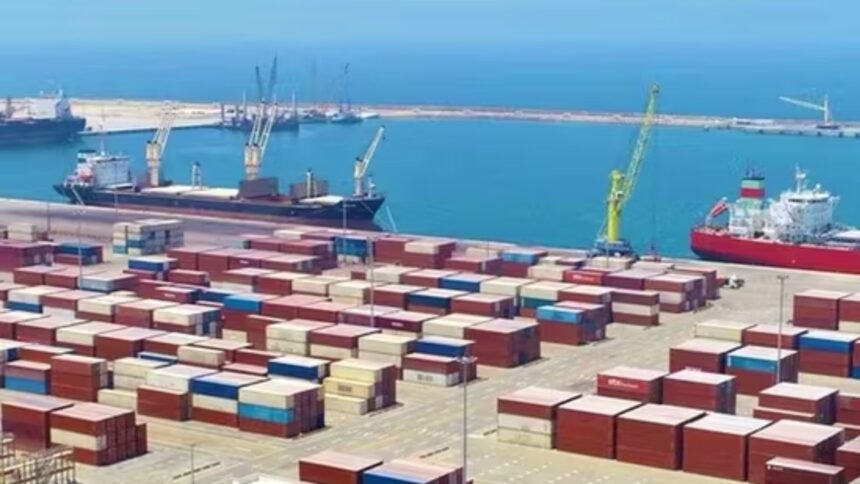
In the budget for 2026–27, India has made substantial changes in its external development assistance, reflecting current diplomatic and geopolitical realities. One of the most striking adjustments is the complete withdrawal of funds for the development of Iran’s Chabahar port. In the previous budget cycle, the allocation for Chabahar was initially proposed at ₹100 crore but was subsequently revised to ₹400 crore to accelerate development. However, due to continued US sanctions and limited exemptions, the government has decided not to allocate any budgetary resources to this project in the current fiscal year. The six-month exemption granted by the Trump administration in 2025, which allowed limited progress on the port, remains valid only until April, further complicating India’s ability to invest in Chabahar. This move underscores the significant influence of international sanctions on India’s overseas development agenda and highlights the government’s pragmatic approach in managing aid allocations under external constraints.
At the same time, India has halved its development assistance to Bangladesh from ₹120 crore in 2025–26 to ₹60 crore in 2026–27. This reduction reflects the current strains in bilateral relations under the interim government in Dhaka, where political uncertainty and the upcoming general elections on February 12 have affected coordination between the two governments. India’s decision to scale down its aid reflects a strategic recalibration, balancing the desire to support regional development with the practical challenges posed by strained diplomatic ties. While the reduction does not sever developmental support entirely, it signals the need for a careful reassessment of priorities and a focus on engagement that aligns with both India’s strategic interests and the evolving political context in Bangladesh.
Despite these reductions, India has reinforced its commitment to longstanding and reliable partners in the region. Bhutan continues to emerge as the primary recipient of Indian external aid, receiving a total outlay of ₹2,288 crore in 2026–27, marginally higher than the ₹2,150 crore allocated in the previous fiscal year. This allocation underscores the strong, enduring partnership between the two nations and reflects India’s strategic interest in maintaining stability and development in Bhutan. The aid encompasses various sectors, including infrastructure, education, healthcare, and capacity-building projects, ensuring that India’s contribution directly supports Bhutan’s socio-economic growth while reinforcing bilateral ties. By maintaining and slightly increasing Bhutan’s aid allocation, India signals its preference for reliable partnerships and highlights the importance of continuity in regional development strategies.
The Union Ministry of External Affairs received a total allocation of ₹22,119 crore for 2026–27, slightly up from ₹20,517 crore in 2025–26, reflecting a marginal but meaningful increase aimed at supporting India’s broader diplomatic and development objectives. Within this allocation, the overseas development portfolio stands at ₹6,998 crore, accounting for nearly one-third of the ministry’s total budget. This represents a modest increase over the previous year’s ₹6,750 crore, indicating India’s continued focus on sustaining and expanding its development assistance footprint despite selective reductions in certain countries. These budgetary adjustments demonstrate a nuanced approach in which India is balancing the need for strategic engagement abroad with the realities of fiscal responsibility and evolving geopolitical pressures.
Prioritizing Regional Stability and Development Partnerships
While the Chabahar project and Bangladesh allocations have seen cuts, India has continued to invest in development initiatives across other neighboring countries and strategic partners. Nepal has been allocated ₹800 crore, reflecting India’s ongoing commitment to infrastructure, energy, and capacity-building projects in the Himalayan nation. Similarly, Maldives and Mauritius have each received ₹550 crore, supporting developmental programs aimed at enhancing connectivity, social welfare, and regional resilience. Sri Lanka has been allocated ₹400 crore, with funds directed toward reconstruction, economic stabilization, and social infrastructure initiatives. Additionally, African nations and Latin American countries continue to receive smaller but meaningful allocations of ₹225 crore and ₹120 crore respectively, allowing India to maintain a presence in key global regions while strategically focusing its resources where they are likely to yield the most impact.
These allocations indicate India’s careful balancing of regional and global priorities, ensuring that aid is directed toward countries where partnerships are both strategic and sustainable. By maintaining substantial funding for countries like Bhutan, Nepal, and Maldives, India reinforces stability in the immediate neighborhood, supports economic growth, and strengthens political goodwill. At the same time, selective reductions for projects under geopolitical stress, such as Chabahar, reflect a pragmatic approach that aligns financial outlays with both international obligations and domestic constraints. This approach ensures that India’s external aid not only promotes development but also reinforces strategic diplomacy, positioning the country as a reliable and responsible partner in the international arena.
In addition to bilateral development allocations, the Union Budget highlights India’s evolving approach toward leveraging aid as a tool for geopolitical strategy. The halving of Bangladesh’s allocation, for instance, comes at a time when India seeks to recalibrate relations following political uncertainty in Dhaka. By reducing financial commitments temporarily, India signals the importance of conditional and outcome-based engagement, emphasizing effectiveness over volume in its development assistance. This approach allows the government to exercise greater control over aid utilization while encouraging partner nations to prioritize governance, transparency, and alignment with mutual strategic objectives. It also underscores India’s growing maturity in managing its external aid portfolio, balancing both humanitarian and geopolitical imperatives.
The zero allocation for Chabahar reflects another dimension of India’s strategic calculus. While the port represents a significant opportunity to enhance regional connectivity and trade with Iran, persistent US sanctions and limited exemption periods have created practical barriers to investment. By halting budgetary allocation, India demonstrates a careful weighing of international risks against domestic priorities, ensuring that taxpayer resources are deployed in a manner consistent with both strategic interests and operational feasibility. This decision also highlights India’s broader approach to international infrastructure investment, where political, financial, and diplomatic considerations are assessed comprehensively before committing funds to high-risk projects.
The continuity of aid to Bhutan, on the other hand, demonstrates the value India places on consistent and reliable partnerships. Bhutan’s development assistance portfolio includes a wide array of programs designed to strengthen social infrastructure, promote renewable energy, and support health and education initiatives. These investments not only foster goodwill but also create long-term mutual benefits, strengthening India’s influence in the region while contributing to Bhutan’s socio-economic growth. Similarly, the allocations to Nepal, Maldives, and Mauritius reflect targeted support for infrastructure, disaster management, and capacity-building, enabling India to maintain strategic engagement across South Asia and the Indian Ocean region.
Through these carefully calibrated allocations, India has signaled a shift toward a more strategic, outcome-focused approach to external aid. The budget demonstrates that development assistance is no longer purely a financial transaction but a critical instrument of foreign policy, capable of advancing both domestic interests and international objectives. By prioritizing aid to countries with reliable partnerships and stable governance while scaling back projects affected by sanctions or diplomatic friction, India seeks to maximize the effectiveness and impact of its external aid portfolio.
At the same time, the overall increase in the Ministry of External Affairs’ budget, including a modest rise in the overseas development component, ensures that India retains the capacity to respond to emerging opportunities and challenges in the global arena. This budgetary flexibility is crucial in a world where geopolitical dynamics are rapidly evolving, requiring nimble and responsive policy instruments. By providing targeted increases in development assistance alongside selective reductions, India is signaling a mature and pragmatic approach to managing both domestic fiscal priorities and international commitments.
The reallocation of funds in 2026–27 also reflects broader regional dynamics. In South Asia, where India remains a dominant economic and political actor, maintaining aid flows to stable and strategically aligned countries helps to reinforce regional influence and mitigate external pressures from competing powers. In addition, the selective reduction in Bangladesh and Chabahar allocations demonstrates India’s willingness to respond to changing political realities and international constraints, rather than adhering rigidly to prior commitments. This balance between continuity and adaptability represents a key feature of India’s evolving development assistance strategy.
The Union Budget 2026–27 provides insight into India’s evolving priorities in foreign aid and regional development. By maintaining strong support for trusted partners like Bhutan, Nepal, Maldives, and Mauritius, while adjusting allocations in politically sensitive or sanction-affected areas, India is demonstrating a strategic, calculated approach to external assistance. The budget reflects a nuanced understanding of how development aid can simultaneously serve as a tool for diplomacy, a mechanism for regional stability, and a means of supporting sustainable growth abroad. These measures underscore India’s commitment to leveraging its resources effectively, ensuring that its external aid serves both humanitarian and strategic objectives in an increasingly complex international landscape.