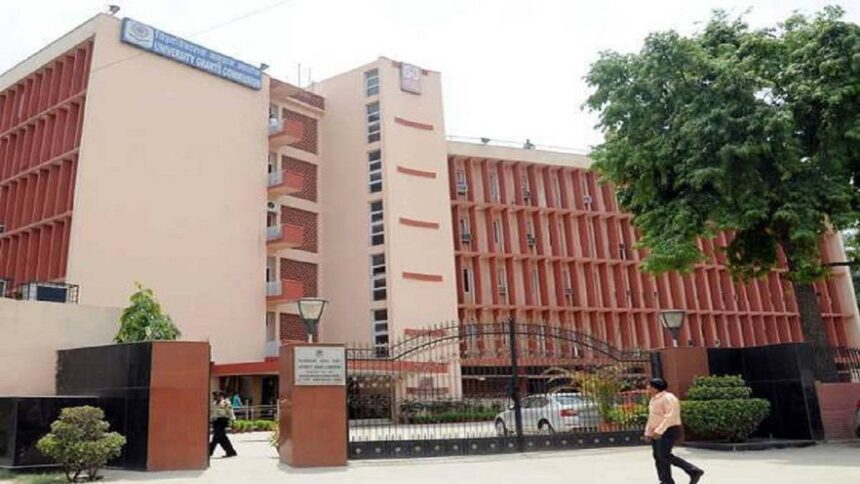
To ensure that educational institutions remain safe and inclusive spaces, especially for women, the University Grants Commission (UGC) has directed all higher educational institutions (HEIs) across the country to submit detailed compliance reports on their efforts to prevent sexual harassment. The reports, pertaining to the 2024–25 academic year, must be uploaded on the UGC’s SAKSHAM portal and the UAMP platform. This move reinforces accountability and aims to ensure that statutory mandates are being actively implemented on campuses.
Mandatory institutional action plans
The UGC reminded colleges and universities that compliance with the Sexual Harassment of Women at Workplace (Prevention, Prohibition and Redressal) Act, 2013, and the UGC (Prevention, Prohibition and Redressal of Sexual Harassment of Women Employees and Students in Higher Educational Institutions) Regulations, 2015, is not optional. Institutions are required to establish Internal Complaints Committees (ICC) and dedicated women’s cells to promptly and effectively handle complaints related to sexual harassment.
In addition, HEIs must promote gender sensitisation and awareness among students and staff. This includes placing banners, posters, and informative materials around the campus outlining steps to report harassment and ensure safety. The name and contact details of ICC members must be made public, and institutions must display helpline numbers such as Women’s Helpline 181 and Emergency Response 112.
Reporting compliance and displaying safeguards
A visible billboard must also be installed on every campus, clearly outlining the legal consequences of sexual harassment and the support services available. Colleges are expected to upload essential documents such as the full texts of the 2013 Act and 2015 UGC Regulations, the list of ICC members, and annual action reports detailing awareness and sensitisation campaigns.
The UGC has stressed that these regulations are not merely advisory in nature but are legally binding. Non-compliance could result in strict action against defaulting institutions. This initiative is part of a larger framework by the commission to foster respectful, secure, and gender-sensitive environments within higher education campuses. The directive underscores the growing importance of institutional transparency and student safety in the current academic and social context.