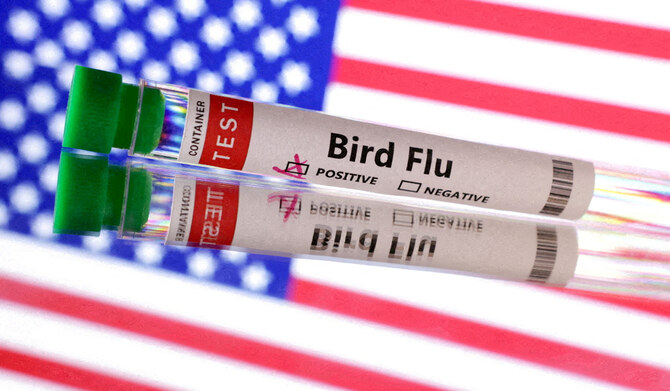
In a concerning development, Louisiana health authorities reported the first human death in the United States linked to bird flu, a case that highlights the continued threat posed by the H5N1 virus. The death, which occurred on Monday, marks a significant milestone in the ongoing battle against the virus, as health officials in the state confirmed that the patient, aged over 65, had been hospitalized since mid-December. Despite the tragedy, officials noted that the general risk to the public remains “low,” with no further cases of human transmission detected in the state.
The patient had been exposed to a mix of non-commercial backyard poultry and wild birds, which likely led to the infection. Health authorities in Louisiana have emphasized that people working with birds, poultry, or livestock, or those with recreational exposure to such animals, are at a heightened risk of contracting the virus. As of now, the state has not reported any new cases of H5N1 or evidence suggesting the virus has been transmitted from person to person.
This incident comes just days after the U.S. federal government allocated an additional $306 million to strengthen surveillance programs and research on the H5N1 virus, a move that has garnered both praise and criticism. Some experts have raised concerns about the U.S. government’s response to the rising number of infections, particularly in light of the alarming potential for the virus to mutate into a more easily transmissible form, which could lead to a global pandemic.
Since the start of 2024, the Centers for Disease Control and Prevention (CDC) has recorded 66 human cases of bird flu in the United States, raising alarm among scientists and public health officials. While the CDC has stated that the general public’s risk remains low, experts like Jennifer Nuzzo, a professor of epidemiology at Brown University, have expressed concern over the potential for the virus to cause severe illness or death. “We have a lot of data that shows that this virus can be lethal, more lethal than many viruses we worry about,” Nuzzo told AFP. “For that reason, people have been quite alarmed about these outbreaks.”
The CDC’s analysis of the virus in the Louisiana case showed that it had undergone genetic modifications that allowed it to adapt to the human respiratory system. However, researchers caution that such mutations alone may not be sufficient to make the virus more transmissible between humans. The first detection of H5N1 occurred in 1996, but since 2020, the virus has increasingly spread through bird flocks, with mammals also becoming infected. These developments have only increased the urgency of global monitoring and response.
The CDC has stated that while the death of the Louisiana patient is tragic, it was not unexpected given the known severity of the H5N1 virus. “A death from H5N1 bird flu in the United States is not unexpected because of the known potential for infection with these viruses to cause severe illness and death,” the CDC said in its statement. The World Health Organization (WHO) has reported over 950 human cases of bird flu worldwide since 2003, with China and Vietnam seeing a large number of infections.
The recent death in Louisiana serves as a stark reminder of the potential danger posed by the H5N1 virus, particularly as it continues to spread among animal populations and show signs of adapting to human hosts. While the overall risk to the general public remains low, the ongoing spread of bird flu underscores the need for increased vigilance and preparedness to prevent further infections and limit the potential for a more widespread outbreak.