Trump Calls Iran Response ‘Totally Unacceptable’ Amid High Stakes Hormuz Negotiations
The fragile diplomatic efforts aimed at ending the escalating confrontation between the United States and Iran have entered another tense phase after US President Donald Trump sharply rejected Tehran’s latest response to Washington’s ceasefire and negotiation proposal. The development has intensified global concern over the future of maritime security in the Strait of Hormuz, rising energy market instability and the possibility of renewed military escalation across West Asia.
According to Iranian state media reports, Tehran formally sent its response to the United States proposal through Pakistan, which has emerged as a key mediator in ongoing backchannel diplomacy between Washington and Tehran. Iranian officials described their response as “realistic and positive,” claiming it focused on ending the broader regional conflict, ensuring maritime security in the Gulf and resolving major disputes involving sanctions, nuclear restrictions and military tensions.
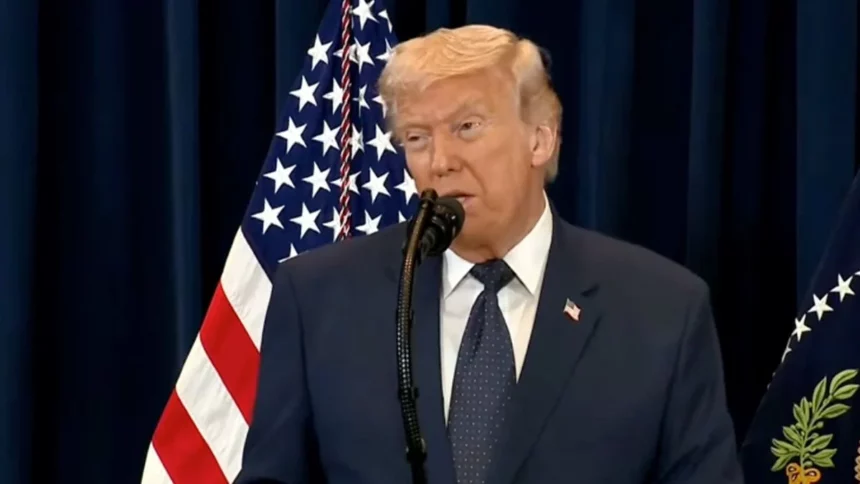
However, within hours of the reports emerging, Donald Trump publicly dismissed Iran’s response in strongly worded statements posted on Truth Social. In his first direct remarks following the diplomatic exchange, Trump accused Iran of “playing games” with the United States and the international community.
The American president later escalated his criticism further, declaring that he had reviewed the Iranian response and found it “totally unacceptable.” His comments immediately raised doubts regarding whether the latest round of negotiations could produce a meaningful breakthrough.
The confrontation comes at a critical moment for global geopolitics because the Strait of Hormuz remains one of the world’s most strategically important maritime trade corridors. A substantial share of global oil shipments passes through the narrow waterway every day, making any instability in the region a direct threat to energy markets, shipping operations and international trade.
According to reports, Iran’s response proposed that the first stage of negotiations should prioritize ending hostilities across the region, particularly in Lebanon, while simultaneously addressing maritime security in the Gulf and the Strait of Hormuz.
Iranian sources indicated that Tehran also sought discussions regarding sanctions relief, the future of its nuclear programme and broader regional security arrangements involving the United States and its allies.
The Iranian side reportedly emphasized that its proposal represented an attempt to move negotiations forward quickly if Washington responded positively. However, Trump’s immediate rejection has now created uncertainty regarding whether diplomatic progress remains possible.
The dispute centers around a sweeping fourteen point proposal earlier submitted by Washington.
Under the American proposal, Iran would be required to halt uranium enrichment activities for at least twelve years and permanently abandon any pathway toward developing nuclear weapons capability.
The proposal also demanded that Iran surrender its estimated stockpile of approximately 440 kilograms of uranium enriched to sixty percent purity, a level that has generated major international concern because it approaches weapons grade capability thresholds.
In exchange, the United States reportedly offered gradual sanctions relief, the release of billions of dollars in frozen Iranian assets and the suspension of the naval blockade targeting Iranian ports.
The proposal emerged during one of the most volatile phases in US Iran relations in recent years.
Since April 13, Washington has maintained a naval blockade around Iranian ports as part of broader pressure tactics aimed at forcing Tehran toward a comprehensive agreement. Trump has repeatedly claimed that the blockade is severely damaging Iran’s economy and causing Tehran to lose millions of dollars daily.
At the same time, Iran has retaliated aggressively by restricting foreign shipping movement through the Strait of Hormuz and seizing several foreign flagged vessels.
Iran had earlier allowed certain “friendly” ships to continue operations, but regional tensions have increasingly complicated maritime movement in the Gulf.
Despite repeated confrontations between American and Iranian naval forces in recent weeks, neither country has formally announced the collapse of the ceasefire framework that has technically remained in place since April 8.
However, analysts warn that the situation remains extremely fragile and vulnerable to sudden escalation.
The latest diplomatic exchange is also taking place just days before Donald Trump’s scheduled visit to China, which has major strategic interests connected to Iranian energy exports and regional stability.
China remains one of the largest importers of Iranian oil and has repeatedly emphasized the importance of maintaining peace and uninterrupted trade routes in the Gulf region.
Beijing has also emerged as an increasingly influential diplomatic actor in Middle Eastern affairs, particularly after its role in facilitating earlier rapprochement discussions between Saudi Arabia and Iran.
Pakistan’s role in the negotiations has attracted significant international attention as well.
Al Jazeera’s reporting indicated that Islamabad is actively encouraging Iran to adopt a more moderate position and seek common ground with Washington.
Pakistan’s strategic balancing position gives it unique diplomatic relevance because it maintains close relations with both Iran and the United States.
Regional observers believe Islamabad is particularly motivated to prevent further escalation because prolonged instability in the Strait of Hormuz directly affects Pakistan’s economy through rising fuel prices, trade disruptions and inflationary pressure.
According to diplomatic analysts, several regional and global powers including Qatar, Saudi Arabia, Turkiye and China are also engaged in active communication with Iranian officials in an attempt to prevent a broader regional conflict.
The growing international mediation effort reflects mounting concern over the economic and geopolitical consequences of prolonged disruption in Gulf shipping routes.
Energy markets remain highly sensitive to every development surrounding the Strait of Hormuz.
Oil traders, shipping firms and financial markets are closely monitoring the negotiations because any prolonged blockade or military confrontation could sharply increase global crude prices and disrupt supply chains across Asia, Europe and other major economies.
The crisis has already contributed to rising shipping insurance costs, freight uncertainty and broader concerns regarding international energy security.
Iranian officials continue to insist that sanctions and naval pressure cannot force Tehran into unconditional concessions.
Mohammad Bagher Ghalibaf, Iran’s parliamentary speaker and one of the key figures involved in ceasefire negotiations, recently stated that any meaningful ceasefire arrangement would require the complete lifting of the American naval blockade.
Iran also maintains that its nuclear programme remains peaceful and that sanctions relief must form a central component of any long term agreement.
At the same time, Washington continues demanding strict restrictions on Iran’s nuclear activities and stronger guarantees regarding regional security behavior.
The conflicting positions illustrate the enormous challenges facing negotiators.
Analysts believe the diplomatic process remains complicated because both sides continue attempting to project strength publicly while also exploring limited avenues for compromise behind closed doors.
Trump’s latest comments suggest that Washington may seek tougher conditions or additional strategic concessions before accepting any agreement.
His reference to Iran “playing games” also signals frustration within the American administration regarding the pace and structure of negotiations.
Meanwhile, Iranian officials are attempting to frame their response as constructive and balanced rather than confrontational.
Iranian analysts noted that Tehran’s latest communication was not necessarily a direct acceptance or rejection of Washington’s terms but rather an effort to clarify its own negotiating priorities.
The next few days are therefore expected to become critically important.
Diplomatic observers believe the future of negotiations may depend heavily on whether informal mediators can narrow the gap between both sides before tensions escalate further.
Any collapse in talks could trigger renewed military confrontation in the Gulf region and potentially destabilize international energy markets significantly.
The crisis also highlights the growing importance of regional diplomacy involving non Western powers.
Countries such as China, Pakistan, Qatar and Saudi Arabia are increasingly influencing conflict management efforts in West Asia as traditional diplomatic frameworks face mounting strain.
For India and other major energy importing nations, continued instability in the Strait of Hormuz remains a serious concern because disruptions could directly affect fuel prices, inflation and broader economic conditions.
Global markets are therefore likely to remain highly reactive to every statement emerging from Washington, Tehran and regional mediators in the coming days.
As diplomatic negotiations continue under intense geopolitical pressure, the future of maritime security, sanctions relief and nuclear diplomacy now hangs on whether both sides can move beyond public confrontation toward a workable compromise.
At present, however, Trump’s sharp rejection of Iran’s response has once again exposed the fragile and deeply contested nature of diplomacy between Washington and Tehran.
Highlights: Iran sent its latest negotiation response to the United States through Pakistan amid ongoing Strait of Hormuz tensions.
Donald Trump rejected Tehran’s proposal and called the Iranian response “totally unacceptable” in public remarks.