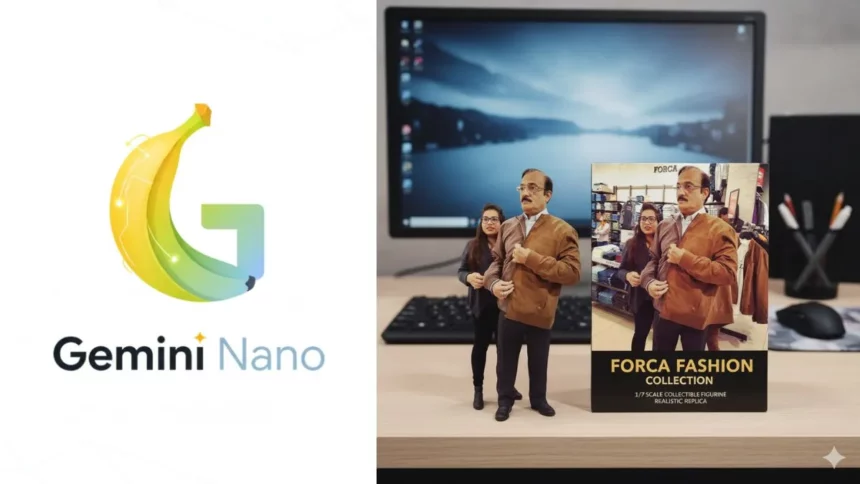
Gemini’s Nano Banana 3D model generator has recently captured widespread attention for its ability to create highly detailed, realistic 3D figurines and images from simple prompts. Users can generate complex edits to their photos, craft virtual collectibles, and design lifelike 3D objects with remarkable consistency. However, while these models are visually striking as static images, turning them into dynamic videos allows creators to fully realize their potential, adding movement, cinematic angles, and sound to bring the models to life. Many premium video-generating platforms, such as Google’s Veo 3 or OpenAI’s Sora, require subscriptions or payment, but free alternatives like Grok AI and Kling AI provide users with accessible options to animate their Nano Banana creations. This guide explores how to leverage these tools to convert your 3D models into immersive video content.
Animating 3D Models with Grok and Kling AI
Grok AI, a service developed by xAI, has emerged as one of the most user-friendly platforms for converting static images into animated videos. By integrating sound effects, smooth motion, and realistic rendering, Grok allows creators to bring their Gemini Nano Banana-generated figurines to life with minimal effort. To begin, users can access Grok either via its mobile app or through its chatbot on X (formerly Twitter). Once inside the platform, creators navigate to the “Imagine” section and select the gallery icon to upload their image. The platform then provides a “Make Video” option, which, when selected, processes the image into a short video sequence complete with accompanying audio. Within seconds, users can view the generated video, save it for future use, or request the model to create an alternative version if needed. This simple workflow enables even beginner creators to experiment with animation without technical expertise, providing a bridge from static 3D models to compelling visual content.
Kling AI is another free tool that allows users to animate Nano Banana-generated images. Accessible through both a web browser and mobile app, Kling AI requires users to sign in with a Gmail account or another email service. Once logged in, the platform’s video feature enables users to upload their desired image and input a prompt to guide the video generation. Kling AI offers advanced customization through DeepSeek R1, allowing users to fine-tune camera movements, lifelike gestures, and environmental details. For example, a typical prompt may instruct the AI to keep the figurine mostly static while adding subtle life touches such as blinking, slight breathing, or minimal hand movements. The prompt also encourages smooth camera rotations, zoom-ins, and pans around the figure, along with realistic lighting and shadows to enhance depth and presence. By incorporating these cinematic effects, creators can produce professional-looking videos that showcase the 3D model from multiple angles, making the figurine feel tangible and immersive.
Creating 3D Figurines of Yourself Using Nano Banana
Before animating, the first step is to generate the 3D model using Gemini’s Nano Banana feature. The platform allows users to create highly detailed, realistic figurines of themselves or other subjects, placing them within dynamic and visually rich environments. To start, users open the Gemini app and select the “Nano Banana” option. After uploading a photo, users can enter a detailed prompt to guide the AI in creating a 3D figurine. A recommended prompt may specify a 1/7 scale commercialized figurine placed on a computer desk, featuring a transparent acrylic base, without text, and surrounded by realistic props like a 3D modeling screen or collectible packaging. The figurine can also be integrated into a scene with high-quality lighting, shadows, and reflections, making the final output highly photorealistic. By designing these figurines in a detailed and context-rich environment, creators not only generate visually appealing 3D models but also prepare them for seamless animation in video tools.
Once the 3D figurine is generated, users can explore additional creative variations, such as adjusting the scene’s composition, lighting, or background elements to enhance visual storytelling. The flexibility of Nano Banana allows for iterative refinement, enabling creators to experiment with multiple styles, poses, and angles before exporting the final image for animation. This iterative approach ensures that the resulting video will be polished and visually engaging, capturing the attention of audiences across social media or other digital platforms.
Combining 3D Modeling and Animation for Dynamic Content
By integrating Gemini Nano Banana-generated figurines with free video animation tools like Grok AI and Kling AI, creators can produce high-quality, engaging content without investing in expensive software. The combination of detailed 3D modeling and automated video generation allows for dynamic presentations that highlight both the craftsmanship of the figurine and the creative vision of the user. Videos produced through this workflow can feature lifelike movement, cinematic camera angles, and sound effects that enhance storytelling and viewer engagement. For instance, a static 3D figurine can be animated to subtly blink, breathe, or interact with its environment while the camera pans around the figure, providing a cinematic perspective that elevates the original image. This makes the resulting content suitable for social media sharing, promotional material, or digital galleries, providing new avenues for creators to monetize or showcase their work.
Moreover, the use of free platforms reduces barriers to entry for beginners and hobbyists, allowing anyone with a smartphone or computer to experiment with animation and digital content creation. The user-friendly interfaces of Grok AI and Kling AI minimize the technical learning curve, enabling users to focus on creativity rather than complex software workflows. This accessibility also encourages experimentation, allowing creators to explore new visual styles, test different camera movements, or combine multiple figurines within a single animated sequence. The result is a versatile and scalable content creation process, transforming simple static images into dynamic, shareable videos with high visual impact.
Expanding Creative Possibilities with Prompts and Customization
One of the key advantages of using AI-driven animation tools is the ability to customize prompts to achieve specific effects. For example, when using Kling AI, creators can instruct the AI to animate subtle movements such as hand gestures, blinking, breathing, or camera rotations, enhancing the realism of the figurine. Similarly, in Grok AI, users can integrate audio effects, control video duration, and select different styles of motion to create tailored results. This level of control ensures that each animation aligns with the creator’s vision, allowing for professional-quality videos even without advanced technical skills. Prompt-based customization also enables creators to experiment with thematic storytelling, environmental settings, and interactive elements, further broadening the creative potential of their 3D models.
Furthermore, the combination of detailed 3D modeling and sophisticated AI animation offers educational opportunities for artists, designers, and hobbyists. Users can study how lighting, camera angles, and movement affect the perception of 3D objects, while experimenting with different visual techniques to achieve desired effects. By iterating between Nano Banana 3D generation and AI animation, creators gain hands-on experience with virtual production workflows, providing a foundation for more advanced digital art, animation, or even game development projects. This integration of modeling and animation represents a comprehensive approach to modern digital creativity, demonstrating how accessible tools can empower users to produce high-quality visual content.
Leveraging 3D Animations for Social Media and Marketing
Videos created from Nano Banana 3D models can be used across multiple platforms, including Instagram, YouTube, TikTok, and digital marketing campaigns. The cinematic and interactive nature of these videos captures viewer attention more effectively than static images, helping creators expand their audience reach. For businesses and content creators, animating 3D models provides a novel way to showcase products, characters, or concepts, while offering a visually compelling narrative that encourages engagement. Additionally, the ability to generate these videos for free reduces production costs, making it feasible for small businesses or independent creators to adopt advanced visual storytelling techniques without budget constraints. By leveraging these tools strategically, creators can enhance brand presence, promote artistic work, or experiment with innovative content formats.
The workflow of creating a 3D figurine with Nano Banana, followed by animation in Grok AI or Kling AI, also opens the door for collaborative projects. Teams of designers, marketers, and artists can contribute to different stages of the process, from conceptualizing the figurine to refining animation prompts and integrating sound. This collaborative potential expands creative possibilities and enables multi-disciplinary projects that combine art, technology, and storytelling. The seamless integration of modeling and animation ensures that the final video is coherent, visually rich, and aligned with the creative vision of the team or individual creator.
Through the combination of Gemini Nano Banana-generated 3D models and free AI animation tools, creators can transform static images into vibrant, cinematic videos. Grok AI and Kling AI provide accessible pathways for animating images, integrating sound effects, realistic motion, and camera dynamics, while Nano Banana ensures that the foundational 3D models are highly detailed and visually compelling. This workflow emphasizes the synergy between modeling and animation, allowing users to experiment with creative prompts, cinematic techniques, and interactive storytelling, all without requiring expensive software or technical expertise. By following this step-by-step guide, anyone can produce professional-quality video content from their 3D models, opening new avenues for artistic expression, social media engagement, and digital creativity.