In a major development in the 26/11 Mumbai terror attacks case, Tahawwur Rana, a key accused and Pakistani-origin Canadian businessman, has been extradited from the United States and is expected to land in New Delhi early Thursday morning. A special team of Indian intelligence and investigative officials is escorting Tahawwur Rana, who will be brought to justice after over a decade of legal efforts. The operation is being closely monitored by India’s top security leadership, including National Security Advisor Ajit Doval.
High-security arrangements and court proceedings
Sources confirmed that Tahawwur Rana is onboard a special flight that will make a stop at an undisclosed location before reaching India. In anticipation of his arrival, stringent security arrangements have been put in place at designated jails in Delhi and Mumbai. Upon landing, Tahawwur Rana will be presented before a National Investigation Agency (NIA) court in New Delhi to obtain custody. Later, the Mumbai Crime Branch is expected to take over his interrogation and prosecution.
Tahawwur Rana’s extradition follows recommendations by a U.S. court and recent rejection of his appeal by the U.S. Supreme Court. The extradition marks a significant diplomatic and legal victory for India, which had formally requested Tahawwur Rana’s arrest in June 2020. Earlier this year, former U.S. President Donald Trump had supported the move, stating Tahawwur Rana would “go to India and face justice.”
Role in 26/11 attacks and links to LeT
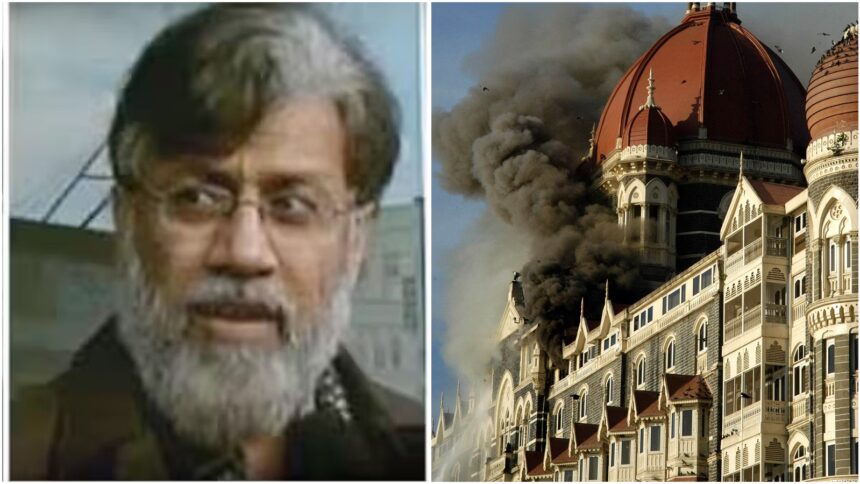
Tahawwur Rana is accused of facilitating the travel and documentation of David Coleman Headley, the Pakistani-American LeT operative who conducted surveillance of key Mumbai targets before the attacks. Tahawwur Rana himself reportedly stayed in Mumbai between November 11 and 21, 2008, and is believed to have overseen logistical planning for the strikes.
The Mumbai attacks on November 26, 2008, left over 170 people dead and hundreds injured, as heavily armed terrorists launched coordinated assaults on iconic locations including the Taj Hotel, CST railway station, and Leopold Cafe. Investigators believe that Tahawwur Rana worked in close coordination with Lashkar-e-Taiba and received strategic support from Pakistan’s Inter-Services Intelligence (ISI).