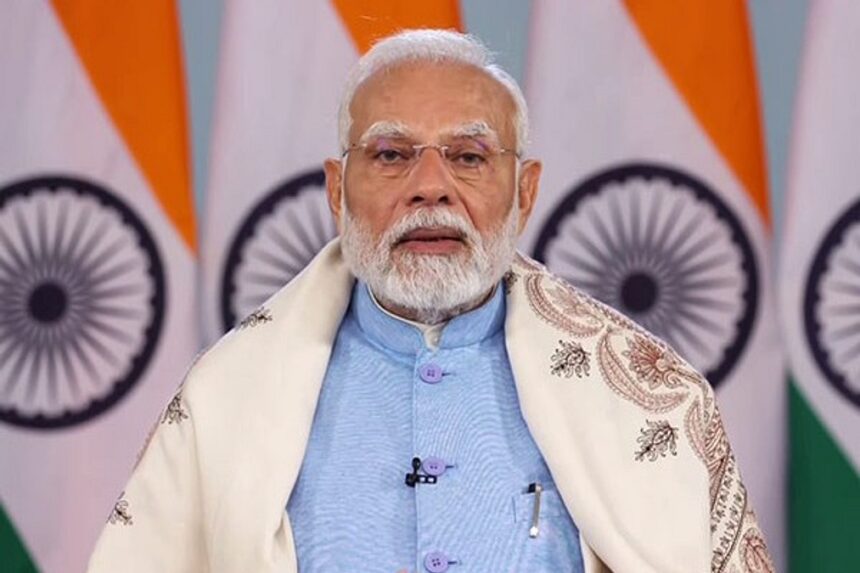
In a dramatic display of political polarization, Prime Minister Narendra Modi’s remarks on the new Waqf Amendment Act 2025 at the News18 Rising Bharat Summit have ignited a fierce debate across the country. Narendra Modi described the law as a “strong response to the provocative lobby” while dismissing opposition voices as mere examples of appeasement politics. He asserted that the new legislation is designed to secure the rights of marginalized groups, including poor pasmanda Muslims, women, and children, promising enhanced transparency and justice for these communities.
Political Divide Over the Waqf Law
Narendra Modi’s comments have drawn sharp criticism from several opposition parties and Muslim organizations, which argue that the amendment is divisive by nature. Leaders from parties such as Congress, Samajwadi Party, and AIADMK vehemently opposed the law. For instance, Congress MLC Addanki Dayakar from Telangana accused the government of seeking to divide not only Hindus and Muslims but also different segments within the Muslim community itself. Critics claim that by targeting the Muslim community, the act perpetuates divisions rather than mending them. Some opposition figures argued that the law is a political tool aimed at consolidating votes rather than addressing genuine issues within the community.
While the opposition decries the amendment as politically motivated and exclusionary, senior BJP members assert that the reform will serve to protect the rights of the disadvantaged. They maintain that the law is a corrective measure to ensure accountability within the management of waqf properties and to guarantee the welfare of minority groups. In response to the backlash, the BJP has formed a dedicated panel comprising leaders such as Anil Antony, Jamal Siddiqui, Radhamohan Das Agrawal, and Dushyant Gautam to oversee a series of outreach programs. These initiatives aim to demonstrate the law’s benefits, ranging from improved governance of waqf properties to broader social justice and gender equity.
Calls for Judicial Review and Future Implications
As the political debate intensifies, the Supreme Court is set to hear petitions challenging the Waqf Amendment Act on April 15. This judicial review comes amid polarized public opinions and concerns over the law’s potential impact on community relations. Supporters of the amendment argue that it is a necessary step to modernize the management of religious endowments, while critics warn that it might further fuel sectarian divisions. With political leaders and community groups on both sides taking a firm stance, the Waqf Amendment Act remains one of the most contentious legislative moves of the current government, setting the stage for an ongoing and highly charged public discourse.