The countdown to the 2026 T20 World Cup has officially begun with the opening of ticket sales, triggering excitement across both India and Sri Lanka as the two countries prepare to co-host one of cricket’s most closely followed global events. The International Cricket Council launched the first phase of ticket availability on Thursday evening, offering seats for the group stage at accessible entry prices as fans gear up for a month-long celebration of the shortest and most dynamic format. With India set to defend their crown under the leadership of Suryakumar Yadav, anticipation surrounding the tournament is already rising, reflecting the cultural and emotional pull that T20 cricket holds in the region.
Accessible Ticketing, Expanded Participation and a Packed Tournament Structure Set the Stage for 2026
Ticket pricing has been strategically designed to ensure strong attendance across venues. In India, seats for Phase 1 begin at just one hundred rupees, marking a deliberate effort by organisers to make the sport widely accessible. In Sri Lanka, the starting price is one thousand Sri Lankan rupees—approximately two hundred ninety Indian rupees—maintaining affordability for local audiences. Tickets for Team India’s matches at home, however, start at five hundred rupees due to high demand, while the high-voltage India–Pakistan fixture in Colombo opens at four hundred fifty rupees. The ICC has confirmed that the dates for the second phase of sales will be announced soon, with group-stage tickets available first, followed by the Super Eight and knockout rounds later during the tournament.
The 2026 edition is set to be the biggest yet, with twenty teams competing in fifty-five matches over twenty-nine days. The schedule mirrors the previous tournament format that proved both compact and enthralling. The group stage features four groups of five teams each, with every team playing four matches. The top two sides from each group will advance to the Super Eight phase, where the qualifiers are distributed into two groups of four. Even at this stage, the format retains its demanding nature, requiring each team to play three matches and earn top-two status once again to progress to the semifinals.
With three fixtures scheduled daily during the group stage—at 11 a.m., 3 p.m. and 7 p.m.—the tournament promises wall-to-wall cricket for fans. Matches will be reduced to two per day during the Super Eight, and only one match a day in the knockout phase, each beginning at 7 p.m. The structure ensures intense competition while providing enough space for marquee matches to capture global viewership.
If a team reaches the final, it will have played eight matches—four in the group stage, three in the Super Eight and one semifinal—before contesting the title clash on March 8. This extended route reinforces the need for consistency, depth and tactical clarity in a format where the margin for error is razor-thin.
The opening match of the tournament takes place on February 7 in Colombo, where Pakistan will face the Netherlands. Later that evening, India begin their campaign against the United States at 7 p.m. Following this, India will meet Namibia on February 12, clash with long-time rivals Pakistan on February 15 and finish their group stage against the Netherlands on February 18. The India–Pakistan match is set to be among the highest-demand fixtures of the tournament, with fans across continents marking the date months in advance.
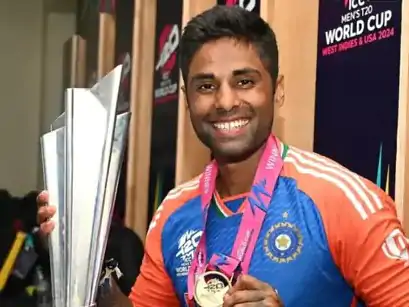
For India, the tournament carries heightened significance. As reigning champions, they are expected to mount a robust defence under Suryakumar Yadav’s captaincy—a leadership transition that has brought both excitement and scrutiny. The team’s triumph in 2024 ended a seventeen-year wait for a second title, reviving memories of the inaugural 2007 championship under MS Dhoni and restoring India’s position among the most successful T20 nations. With two world titles, India joins England and the West Indies at the top of the honours list. Sri Lanka, Pakistan and Australia follow with one title each, highlighting the competitive depth of the tournament’s history.
India’s Defence of the Title and Global Cricket Dynamics Amplify Tournament Anticipation
The upcoming T20 World Cup represents more than a series of high-energy matches; it is a convergence point for emerging cricketing nations, established powerhouses and changing global dynamics within the sport. The participation of twenty teams reinforces the ICC’s commitment to broadening the game’s footprint. Nations such as Namibia, the United States and the Netherlands have steadily improved in recent years, and the expanded format offers them a greater platform to test themselves against elite competition.
For India, the spotlight is unmistakably bright. Suryakumar Yadav steps into the leadership role at a time when the team is balancing experience with emerging talent. His own batting brilliance in T20s has already shaped India’s approach to the format, and his captaincy will be central to their strategy. The veneer of expectation is especially sharp given that India will be playing all group-stage matches in front of massive home audiences eager for a repeat of the 2024 success.
Sri Lanka, as co-host, looks to use the tournament to reenergise domestic cricketing culture and demonstrate its ability to stage major international events. Colombo, Galle and other iconic venues are expected to draw substantial local and travelling fan bases, particularly for matches involving India, Sri Lanka, Pakistan and the newly rising associate teams. Hosting the tournament alongside India also provides Sri Lanka with significant economic and sporting visibility at a crucial moment of recovery and rebuilding.
With ticket sales already driving early enthusiasm, broadcasters and digital platforms anticipate record engagement. The ICC’s decision to release the Super Eight and knockout tickets later reflects a strategy aimed at ensuring maximum demand and equitable distribution once the identity of qualifying teams becomes clear.
The tournament’s narrative will also be shaped by competition among traditional rivals. India and Pakistan continue to meet only in multinational tournaments, intensifying the stakes of each encounter. England, buoyed by their aggressive T20 philosophy, remain formidable, while the West Indies—two-time champions—seek to reestablish dominance after inconsistent performances in recent years. Australia, South Africa and New Zealand all retain deep talent pools and tactical expertise, adding unpredictability to the global contest.
Beyond competitive drama, the World Cup carries cultural resonance. Cricket fans across India and Sri Lanka treat such tournaments as shared celebrations, uniting cities, communities and generations. With the revival of stadium atmospheres post-pandemic and heightened digital integration, the 2026 edition promises to be both immersive and emotionally riveting.
By launching affordable ticketing early and structuring the tournament to accommodate widespread viewership, the ICC is strategically positioning the event for maximum reach. As fans begin shaping their itineraries, and teams prepare for an intense calendar leading up to February, the T20 World Cup is poised to reaffirm cricket’s dynamic appeal and the evolving identity of the shortest format on the global stage.