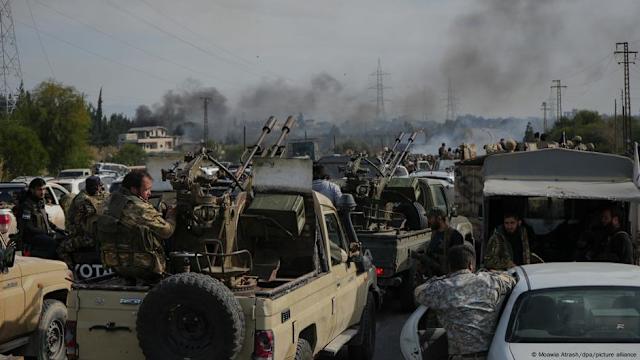
Syria’s defense ministry has announced the conclusion of a military operation in the country’s western coastal regions following days of intense violence that resulted in the deaths of more than 1,500 people. The operation, conducted in Latakia and Tartous provinces, targeted loyalists of former president Bashar al-Assad, with security forces claiming to have “neutralized” insurgent elements and restored stability to the affected areas.
The violence erupted after gunmen, allegedly loyal to the Sunni Islamist-led government, carried out retaliatory attacks against members of Assad’s Alawite sect following an ambush on security forces in the town of Jableh. Reports indicate that at least 1,068 civilians, primarily Alawites, were among the dead. The interim government, led by President Ahmed al-Sharaa, has pledged a thorough investigation into the events, vowing to hold all perpetrators accountable, including any within his administration.
The Syrian government launched the operation in response to growing insurgent activity by Assad loyalists in the region, which had long been a stronghold of the former regime. The crackdown saw security forces storming several towns and villages, reportedly engaging in widespread arrests and clashes. Civilians have described the situation as terrifying, with numerous accounts of entire families being targeted and killed in their homes. Reports have also emerged of looting, kidnappings, and summary executions.
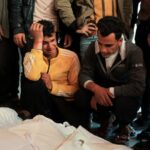
A widely circulated video purportedly showed the bodies of at least two dozen civilians piled in a residential yard in al-Mukhtareyah, while eyewitnesses in Baniyas reported seeing armed fighters searching homes for Alawite residents. Survivors recounted traumatic experiences, describing how their neighborhoods were ravaged, homes ransacked, and loved ones taken away, often never to be seen again.
The UN human rights chief, Volker Türk, condemned the violence, highlighting reports of mass executions and potential ethnic cleansing. He urged Syria’s interim government to protect civilians and bring those responsible to justice. Meanwhile, a UK-based monitoring group, the Syrian Observatory for Human Rights, reported that the total death toll included 230 security personnel and 250 pro-Assad fighters. Independent verification of these figures remains challenging.
As Syria attempts to stabilize following the downfall of Assad in December, concerns persist over lingering sectarian violence and the ability of the new government to maintain order. The conclusion of this military operation marks a critical juncture, but the long-term path to peace remains uncertain amid ongoing tensions and unresolved grievances.