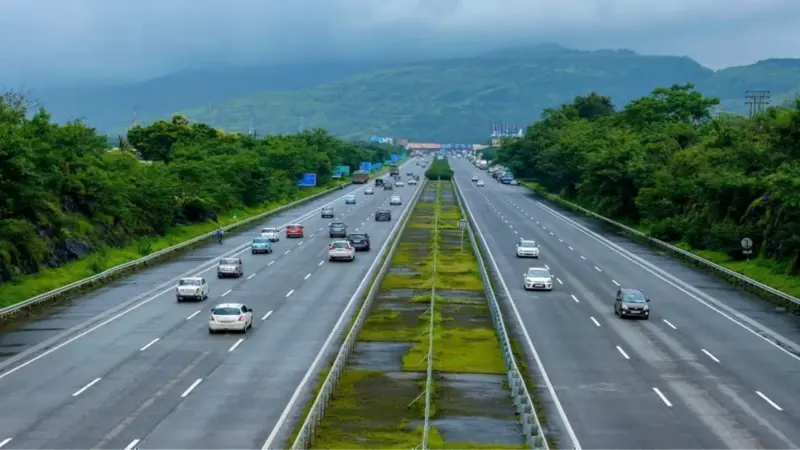
The Supreme Court of India has expressed serious concern over the absence of proper lane driving practices across the country, calling it one of the biggest contributors to road accidents in India. While hearing a long-pending public interest litigation on road safety, the court issued a series of strict directions to states and Union Territories aimed at improving enforcement, passenger safety, and monitoring systems in public transport vehicles.
A Bench comprising Justice J. B. Pardiwala and Justice K. V. Viswanathan observed that India virtually lacks a proper “concept of lane driving,” leading to dangerous driving behavior and a high number of road accidents.
The court’s remarks came during hearings on a PIL originally filed in 2012 by surgeon S. Rajaseekaran, who raised concerns over increasing fatalities and poor implementation of road safety measures across the country.
Supreme Court Says Lane Driving Violations Cause Major Accidents
During the proceedings, Justice Pardiwala highlighted how reckless lane-changing and the failure to follow lane discipline continue to contribute significantly to crashes on Indian roads.
The court stressed that lane driving norms are essential for organized traffic movement and can drastically reduce accidents if implemented properly. The judges questioned how authorities intended to ensure compliance when lane discipline itself remains largely ignored in many parts of the country.
Road safety experts have long argued that poor lane discipline, overspeeding, reckless overtaking, and weak traffic enforcement are among the leading causes of fatal road accidents in India. Despite improvements in highways and road infrastructure, enforcement gaps continue to create safety challenges.
The Supreme Court’s latest observations once again place focus on the urgent need for behavioral reforms in driving practices and stricter traffic regulation enforcement nationwide.
Court Orders Installation of Tracking Devices and Panic Buttons
The bench also issued important directions regarding the installation of Vehicle Location Tracking Devices (VLTDs) and emergency panic buttons in public transport vehicles.
The court directed all states and Union Territories to strictly enforce Rule 125H of the Central Motor Vehicles Rules, 1989, ensuring that both existing and new public-service vehicles are equipped with these safety systems in a “time-bound and verifiable manner.”
According to the court, these devices are particularly important for ensuring passenger safety, especially for women, children, and elderly passengers.
The judges expressed concern that despite the Centre mandating such measures in 2018, only around one percent of public transport vehicles have reportedly been fitted with the required systems so far.
The court further ruled that no public transport vehicle should receive a fitness certificate or transport permit unless it has properly installed VLTDs and emergency panic buttons.
Officials were also instructed to integrate these systems with the Vahan database and portal to allow real-time compliance monitoring and improve accountability.
Manufacturers and States Asked to Ensure Compliance
The Supreme Court also directed the Central government to engage with vehicle manufacturers to ensure that tracking devices and emergency systems are fitted during the manufacturing process itself.
The bench said that states must submit updated compliance reports supported by official data from the Vahan and Parivahan portals.
The court appeared dissatisfied with the slow implementation of earlier road safety directives and warned authorities against delays in compliance.
Judges observed that technology-based enforcement mechanisms could help significantly improve passenger safety standards and monitoring capabilities in public transport systems.
The move is expected to place additional pressure on state transport departments and public transport operators to modernize safety systems in buses and commercial vehicles.
Court Pushes for Speed Governors in Public Vehicles
The issue of speed-limiting devices, commonly known as speed governors, also came under judicial scrutiny during the hearing.
The Supreme Court criticized several states for failing to submit proper compliance reports regarding the installation of speed governors in public transport vehicles.
The bench reiterated that all manufacturers are legally obligated to fit speed-limiting devices in vehicles covered under transport regulations.
States were ordered to file fresh and comprehensive affidavits detailing compliance levels along with supporting statistics from official transport databases.
Road safety activists have repeatedly argued that speed control mechanisms are crucial for reducing fatal accidents involving buses, school vehicles, and heavy commercial transport.
The court’s renewed focus on speed-limiting systems signals a broader push toward stricter enforcement of transport safety standards across India.
Supreme Court Warns Over Delay in Road Safety Board Formation
Another major issue raised during the hearing involved the failure to establish a dedicated road safety board despite previous judicial directions.
Expressing displeasure over the delay, the Supreme Court granted the Centre a final opportunity and directed that the board must be constituted within three months.
The proposed road safety board is expected to improve coordination between states, transport authorities, and enforcement agencies while creating a more structured national framework for accident prevention and traffic safety policy.
India continues to report one of the highest numbers of road accident fatalities globally each year. Experts have consistently pointed to weak enforcement, inadequate public awareness, infrastructure gaps, and inconsistent implementation of traffic regulations as major causes.
The Supreme Court’s strong observations highlight growing judicial frustration over the slow pace of reform despite repeated warnings and policy recommendations.
Road Safety Debate Gains Renewed National Attention
The court’s latest intervention has once again revived national discussion around road safety and traffic discipline in India.
Transport experts say that while stricter regulations and technological solutions are important, lasting improvements will also require stronger public awareness campaigns, better driver training, and more consistent traffic enforcement.
The emphasis on lane discipline is particularly significant because many Indian roads continue to witness chaotic traffic movement, poor adherence to lane markings, and dangerous overtaking practices.
The Supreme Court’s directives are likely to trigger fresh administrative action by transport departments and state governments over the coming months.
As authorities work toward implementing the court’s orders, the broader challenge remains ensuring that road safety reforms move beyond paperwork and translate into visible changes on the ground.