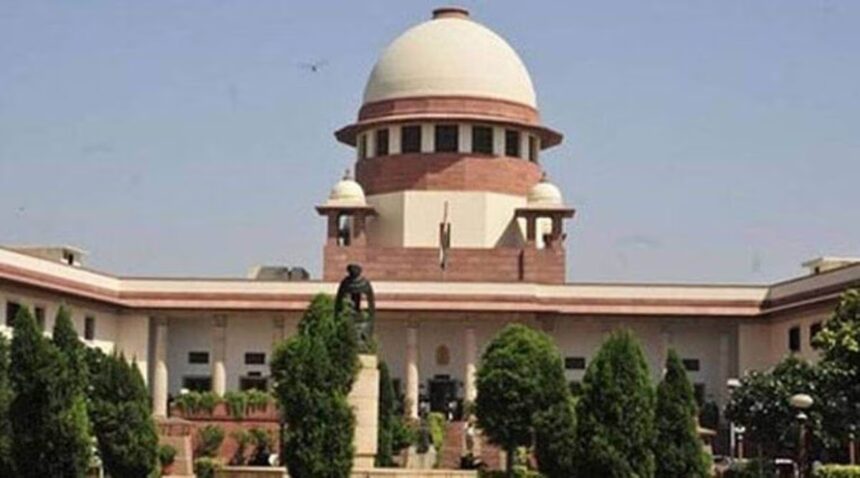
On a shocking day in the Supreme Court of India, an unprecedented incident unfolded as an elderly lawyer threw a shoe at Chief Justice of India BR Gavai during an ongoing court proceeding. The attack, fortunately, did not reach the bench, and security personnel quickly restrained the man, preventing any harm. The incident immediately drew condemnation from legal experts, senior advocates, and political leaders alike, raising serious questions about courtroom decorum, the role of lawyers, and the limits of religious expression within India’s judiciary. Former Attorney-General Mukul Rohatgi and Congress MP Abhishek Manu Singhvi provided their perspectives on the implications of this act, emphasizing that courts of law are not platforms for religious or political expression and underlining the need to protect the sanctity and independence of the judiciary.
Judicial Condemnation and Legal Implications of the Shoe-Throwing Incident
Former Attorney-General Mukul Rohatgi strongly condemned the attack, describing it as “completely unpardonable” and categorizing it as the grossest form of criminal contempt under Indian law, which carries a punishment of six months. Rohatgi expressed dismay that the attack came from a lawyer rather than a disgruntled litigant, noting that such behavior undermines the legal profession’s principles and professional ethics. According to Rohatgi, the act of throwing a shoe at the Chief Justice seemed to be driven either by religious fanaticism or by the lawyer’s attempt to use the court as a platform for propagating personal or religious views. He criticized this act as entirely unacceptable, emphasizing that the judiciary is not a venue for promoting religious ideas or for settling personal grievances.
Rohatgi also placed the incident in historical context, recalling past breaches of security within the Supreme Court. He mentioned that similar violent acts occur once in several decades, citing an incident from 15–20 years ago when an individual attempted to attack a judge with a knife. He stressed the importance of vigilance and tight security to prevent disgruntled individuals from disrupting judicial proceedings. Despite acknowledging the Chief Justice’s decision not to take immediate punitive action, Rohatgi expressed the view that exemplary punishment would have been appropriate, although he respected the restraint and maturity displayed by Justice Gavai. Rohatgi’s statements underscored the need for a firm response to maintain public confidence in the judicial system and to ensure that legal professionals adhere strictly to codes of conduct.
The lawyer responsible for the attack, identified as Rakesh Kishore, reportedly justified his actions by stating that he was hurt by remarks made by the Chief Justice during a hearing related to the restoration of Lord Vishnu’s structure in the Javari temple in Khajuraho, Madhya Pradesh. Kishore’s defense, however, was widely criticized, as it blurred the lines between personal grievances, religious sentiments, and professional obligations. Following the incident, the Bar Council of India (BCI) promptly suspended Kishore, reinforcing the professional accountability expected from members of the legal fraternity. The swift disciplinary action demonstrated the legal system’s commitment to maintaining decorum and ensuring that courtroom spaces remain secure and respected.
Broader Implications for Judicial Independence and Professional Conduct
Congress MP and senior advocate Abhishek Manu Singhvi also condemned the attack, framing it as an assault not just on an individual judge but on the very foundation of the judiciary as a critical pillar of India’s democracy. Singhvi highlighted that such actions strike at the symbolism of the judiciary as an impartial and independent institution, emphasizing that attacks on judges must be universally condemned without ideological or political bias. He argued that the incident has far-reaching implications for public trust in judicial institutions and the perception of law and order in the country. According to Singhvi, any attempt by lawyers or other individuals to advance personal, religious, or political causes within a courtroom setting is inexcusable and undermines the core values of professional responsibility.
Singhvi stressed that lawyers occupy a unique and trusted position in the legal system, representing clients and upholding justice without allowing personal beliefs or affiliations to interfere. By attempting to use the Supreme Court as a platform for religious expression, Kishore violated the ethical obligations of the legal profession and amplified the severity of his actions. Singhvi’s statements reinforced the principle that the legal community must prioritize the integrity of the judiciary above all else, and that individual acts of protest or grievance should never compromise courtroom security or decorum.
The incident also raised critical questions about the relationship between personal religious sentiments and professional obligations in India’s judiciary. While India guarantees freedom of expression and religious belief under its Constitution, the judiciary operates under strict codes of conduct and procedural protocols designed to maintain neutrality, fairness, and the rule of law. Actions such as throwing objects at a presiding judge disrupt proceedings, endanger lives, and undermine public confidence in legal processes. Legal experts have emphasized that the judiciary’s sanctity must be preserved at all costs, and that both judges and lawyers are expected to navigate sensitive matters, including religious issues, with discretion and professionalism.
Security considerations were another focal point in the aftermath of the attack. The Supreme Court, as the highest judicial forum in India, routinely handles sensitive, high-profile, and contentious cases. Ensuring the safety of judges, staff, and litigants is paramount. The swift intervention by security personnel in restraining Kishore highlighted the preparedness of the court to address immediate threats, but experts have called for continued vigilance, improved screening mechanisms, and strict enforcement of security protocols to prevent future incidents. The event served as a stark reminder of the potential risks in court settings and the necessity for a robust security framework to uphold the rule of law.
Furthermore, the incident has ignited debate on the appropriate balance between freedom of expression and professional conduct for lawyers. While legal professionals may hold personal opinions and beliefs, Singhvi and Rohatgi alike emphasized that such views must never interfere with their duties, particularly in courtroom settings. The ethical framework governing lawyers mandates strict adherence to decorum, impartiality, and respect for judicial authority, reflecting the broader principle that the judiciary must remain above partisan or religious considerations. Violations of these principles threaten not only individual cases but the credibility of the legal system as a whole.
This episode has also sparked discussions about how courts handle expressions of dissent, religious sensitivities, and personal grievances within judicial proceedings. Legal scholars argue that while the judiciary must remain open and accessible, any form of disruptive conduct—especially violent or threatening actions—must be treated with zero tolerance. The suspension of Rakesh Kishore by the Bar Council of India demonstrates the mechanisms in place to hold lawyers accountable, but experts warn that systemic reinforcement of professional norms is essential to prevent similar incidents in the future.
In addition to disciplinary measures, the incident prompted reflection on the educational and ethical training of lawyers in India. Advocates are expected to undergo rigorous training, not only in legal knowledge but also in professional ethics, conflict resolution, and courtroom behavior. Incidents like the shoe attack underscore the ongoing need to instill values of restraint, rationality, and adherence to institutional norms in legal practitioners. Ensuring that all lawyers internalize the principle that personal beliefs must never interfere with professional duties is crucial for the long-term stability and credibility of the legal system.
Public reaction to the incident has been marked by widespread condemnation and concern over the safety of judges. Media coverage emphasized the rarity and severity of such attacks, contextualizing them within a broader framework of judicial independence and democratic governance. Observers have noted that while individual acts of violence are alarming, they also provide an opportunity for legal institutions to reinforce security, clarify professional expectations, and educate the legal community about the boundaries of acceptable conduct.
The incident has further highlighted the symbolic importance of the Supreme Court as an institution. Attacks on judges are perceived not merely as personal assaults but as threats to the judiciary’s impartiality and the rule of law itself. By targeting the Chief Justice, Kishore’s actions reverberated beyond a single courtroom, challenging public perceptions of the judiciary’s authority and impartiality. Senior advocates and policymakers have stressed that maintaining the dignity of the judicial office is essential to sustaining public confidence in legal processes and the broader democratic framework.
The swift suspension of Kishore by the Bar Council of India reflects an institutional commitment to accountability, signaling to the legal community that violations of professional conduct will not be tolerated. It also reinforces the principle that courts must remain spaces free from personal, religious, or political demonstrations, ensuring that justice is administered without fear, favor, or prejudice. Experts have noted that consistent enforcement of such disciplinary measures is key to deterring future misconduct and preserving the professional integrity of legal practitioners.
In conclusion, while the Chief Justice’s personal decision not to press immediate charges demonstrated judicial maturity and restraint, the broader implications of the incident remain profound. The attack underscores the importance of preserving courtroom decorum, ensuring robust security measures, and reinforcing professional ethics among lawyers. By condemning the act, enforcing disciplinary action, and emphasizing the judiciary’s independence, India’s legal system can continue to uphold public trust, maintain its democratic legitimacy, and protect the sanctity of its institutions for future generations.
This unprecedented incident in the Supreme Court serves as a critical reminder of the delicate balance between personal beliefs, professional responsibilities, and the impartial administration of justice. It calls for vigilance, ethical adherence, and the reinforcement of protocols that safeguard the judiciary, ensuring that the courts remain spaces of law, order, and reasoned deliberation.