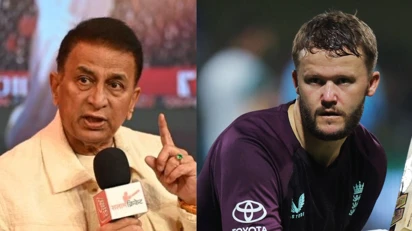
The debate over last-minute withdrawals in the Indian Premier League has intensified after Ben Duckett pulled out of the 2026 season despite being picked by the Delhi Capitals for ₹2 crore. The England opener’s decision to prioritise his national commitments has once again exposed gaps in the league’s current regulations, prompting strong reactions from former players and experts.
Sunil Gavaskar, one of the most respected voices in Indian cricket, expressed concern over the recurring trend of overseas players opting out after being selected in the auction. While he acknowledged Duckett’s commitment to representing England, Gavaskar questioned whether such withdrawals should continue without stronger consequences for players.
Speaking on the issue, Gavaskar stated that although players have the right to prioritise international duties, the impact of last-minute withdrawals on franchises cannot be ignored. Teams invest significant time, strategy, and financial resources during the auction process, and sudden exits disrupt their planning, balance, and overall campaign preparations.
Duckett’s withdrawal came just days before the tournament, leaving Delhi Capitals scrambling to reassess their squad composition. Such situations often force teams to look for last-minute replacements, which may not match the original strategic intent behind the player’s selection. This not only affects team performance but also raises broader questions about the integrity and structure of the league.
Currently, the IPL has a rule that imposes a two-year ban on overseas players who withdraw after being picked at the auction without a valid injury reason. However, Gavaskar pointed out that this rule has not been effective in deterring players from pulling out. According to him, the lack of real consequences means that players are still willing to take the risk, knowing that the penalties may not significantly impact their long-term IPL prospects.
Gavaskar emphasised that the governing body, the Board of Control for Cricket in India, needs to reconsider the existing framework and introduce measures that have a tangible impact. He suggested that unless the penalties directly affect a player’s future participation or financial incentives, the current trend is likely to continue.
The issue is not limited to Duckett alone. Similar instances in recent seasons have raised concerns among franchises and fans. England batter Harry Brook, for example, is already serving a ban after withdrawing from a previous IPL season. Despite such cases, withdrawals continue to occur, indicating that the deterrent effect of the rules is minimal.
Duckett, however, defended his decision, stating that his priority remains representing England at the international level. He highlighted that turning down a lucrative IPL contract reflects his commitment to national duty, especially during a demanding cricket calendar. From a player’s perspective, such decisions are often influenced by workload management, career priorities, and national obligations.
This situation highlights a growing conflict between franchise leagues and international cricket. With packed schedules and increasing demands on players, balancing commitments has become more challenging. While leagues like the IPL offer financial rewards and global exposure, international cricket still holds primary importance for many players.
For franchises, however, the stakes are equally high. The IPL is one of the most competitive and commercially significant cricket leagues in the world, attracting top talent from across the globe. Teams rely heavily on the availability of overseas players to maintain competitive balance and execute their strategies effectively.
Last-minute withdrawals not only disrupt team dynamics but also affect fan engagement and league credibility. Supporters invest emotionally in team line-ups announced during auctions, and sudden changes can lead to disappointment and frustration.
Gavaskar’s comments have reignited discussions about possible reforms. Some experts suggest that the IPL could introduce stricter financial penalties, such as partial forfeiture of auction fees or restrictions on future participation beyond the current ban period. Others believe that clearer communication and commitment from players before the auction could help minimise such situations.
Another potential solution could involve closer coordination between national boards and franchise leagues to ensure better scheduling and player availability. By aligning calendars and expectations, conflicts between international duties and league commitments could be reduced.
Despite the controversy, the IPL continues to remain a major attraction for global cricketing talent. The league’s ability to bring together players from different countries is one of its biggest strengths. However, maintaining consistency and reliability in player participation is crucial for its long-term success.
The ongoing debate also reflects broader changes in modern cricket, where players must navigate multiple formats, leagues, and international commitments. As the sport continues to evolve, governing bodies and leagues will need to adapt their policies to address these challenges effectively.
For now, the spotlight remains on the BCCI and whether it will take steps to revise the existing rules. Gavaskar’s call for stricter punishment has added weight to the argument that stronger measures are necessary to protect the interests of franchises and maintain the league’s integrity.
As IPL 2026 approaches, the issue of player withdrawals is likely to remain a key talking point. Whether through stricter regulations, better planning, or improved coordination, finding a balanced solution will be essential to ensure the smooth functioning of the tournament and uphold its reputation as one of the premier cricket leagues in the world.