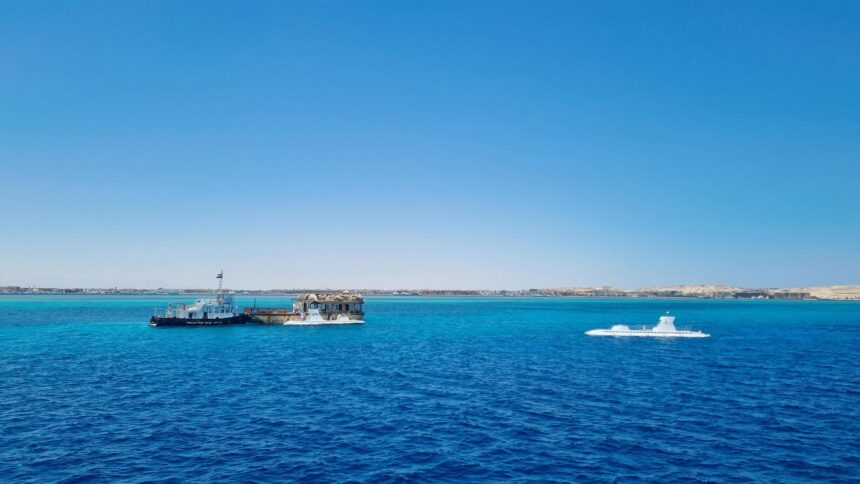
A tourist submarine carrying 45 people sank in the Red Sea near the Egyptian city of Hurghada, resulting in the tragic deaths of six Russian tourists, including two children. Thirty-nine others were rescued, although nine individuals sustained injuries, four of whom are in critical condition.
Authorities are currently investigating the cause of the incident. Initial reports suggest that the submarine may have struck a coral reef and lost pressure while submerged at a depth of 20 meters (65 feet). This incident marks the second maritime disaster in the region in recent months, raising serious concerns about the safety of tourist vessels operating in the area.
The ill-fated submarine, named Sindbad, had been in operation for several years, offering tourists a unique underwater experience to explore coral reefs along the Hurghada coastline. According to the Red Sea governor, Amr Hanafy, the passengers onboard included tourists from Russia, India, Norway, and Sweden, along with five Egyptian crew members. Among the victims were two married doctors, whose daughters are currently receiving medical treatment in the hospital. The full list of casualties is yet to be released as authorities work to confirm identities and inform families.
The submarine sank around 10:00 local time (08:00 GMT), prompting immediate rescue efforts. While most passengers were safely evacuated, six people could not be saved. Russian state news agency Tass reported that two of the deceased were children, adding to the tragedy. The Russian Association of Tour Operators indicated that the vessel’s collision with a reef might have led to a pressure loss, ultimately causing the disaster.
This incident follows another maritime tragedy in November when a tourist boat capsized near Marsa Allam, leaving 11 people missing and presumed dead. Such recurring accidents highlight growing concerns over the safety regulations governing underwater tourism in the Red Sea, a globally renowned destination for diving and marine exploration.
Sindbad Submarines, the company operating the ill-fated vessel, has stated that its tours typically take passengers to depths of 25 meters (82 feet) to observe marine life. However, questions are now being raised about the safety protocols in place. Dr. James Aldridge from Bristol, who took the same submarine tour in February 2025, recalled that while the vessel appeared well-maintained, life jackets were not issued to passengers. He described the experience as professional and safe, but the latest disaster has cast a shadow over the industry’s safety standards.
Authorities continue to investigate the circumstances surrounding the sinking, as families of the victims await answers. The tragic event serves as a stark reminder of the risks associated with underwater tourism, emphasizing the need for stricter safety measures to prevent future catastrophes.