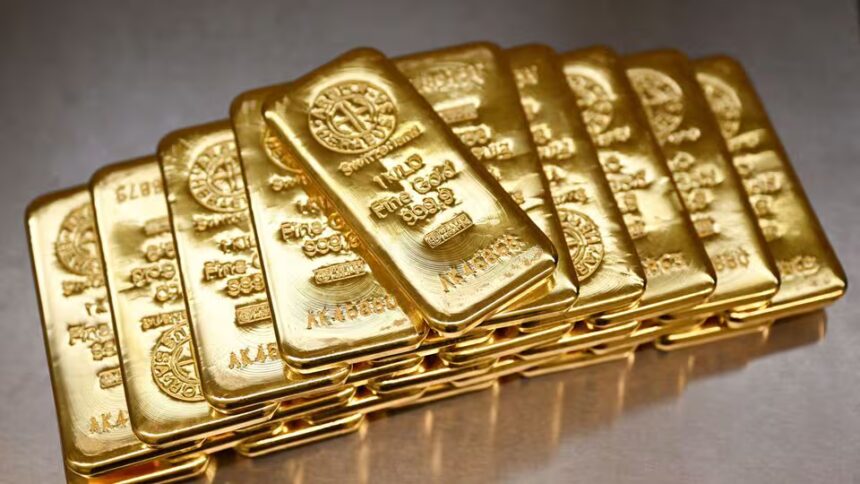
After holding record highs for several consecutive days, gold and silver prices experienced a sharp decline on January 30, 2026, signaling a sudden correction in the market. Experts attribute this drop primarily to profit booking by investors who capitalized on recent surges in precious metals. The volatility reflects the interplay between market sentiment, speculative trading, and investor strategies as metals continued to respond to domestic and global economic cues. While silver saw its per-kilogram price tumble dramatically, gold also registered a notable decline, bringing temporary relief to buyers but raising questions about future price trajectories in the bullion market.
Silver Prices Crash Amid Record Rally and Profit Booking
The white metal witnessed an unprecedented correction, with silver prices plummeting ₹67,000 in a single day on MCX, settling at ₹3.32 lakh per kilogram. This sudden decline came after a sustained upward trend throughout the past month, during which silver had gained significant value due to heightened demand and speculative trading. Analysts explain that the recent surge in silver, coupled with profit-taking, created the perfect environment for a sharp correction. Investors who had purchased silver at lower levels seized the opportunity to book profits, leading to rapid price adjustments across futures and spot markets. The crash has brought relief to potential buyers, but also highlighted the risks associated with short-term speculative gains in volatile markets.
The decline also reflects broader market dynamics, including changes in investor behavior, global commodity trends, and domestic economic factors. Silver’s role as both an investment asset and an industrial commodity makes it particularly sensitive to shifts in sentiment. With futures contracts reflecting immediate selling pressure, the correction underscores the interplay between speculative activity and market fundamentals. Despite the sudden dip, silver remains substantially higher than its levels at the end of December 2025, when one kilogram was priced at approximately ₹2,30,420. Over the last month, silver has surged by more than ₹1.26 lakh per kilogram, demonstrating the intensity of market activity and investor appetite for the precious metal.
Gold Prices Dip Significantly as Investors Book Profits
Alongside silver, gold prices also fell sharply on January 30, 2026, dropping ₹15,000 per 10 grams on MCX, bringing the price to ₹1.54 lakh per 10 grams. The dip follows a period of consecutive gains, during which gold had reached record highs and attracted extensive interest from both retail and institutional investors. Market analysts point out that the correction was largely due to profit-taking, as investors sought to capitalize on previous gains before prices potentially stabilize or decline further. The price movement has led to a temporary adjustment in gold market expectations, signaling caution among traders and buyers.
The variation in gold rates across cities is influenced by additional factors beyond the MCX benchmark. Local prices incorporate GST charges, making fees, and jeweller margins, resulting in slight differences in rates across regions. The RBI uses these prices to set Sovereign Gold Bond rates, while many banks refer to them for gold loan valuations. Despite the recent dip, the overall trend for gold over the past month has been upward, with 10 grams of 24-carat gold increasing from ₹1,33,195 on December 31, 2025, to ₹1,68,475 by late January 2026. This significant increase, amounting to over ₹35,000 in less than a month, underscores the continuing demand for gold as a safe-haven asset amid ongoing economic uncertainties.
Both gold and silver markets have witnessed extraordinary volatility in the past month, reflecting investor sentiment, global economic indicators, and domestic market factors. Profit booking, in particular, has played a decisive role in moderating prices after sustained rallies. While the declines provide potential buying opportunities, experts caution investors to remain mindful of market fluctuations and the timing of purchases, emphasizing the importance of verifying purity, certifications, and prevailing rates across multiple sources. The recent correction highlights the cyclical nature of commodity markets, where periods of rapid gains are often followed by sharp adjustments.
Market Trends, Historical Gains, and Investment Considerations
Examining the broader trend, gold has appreciated by ₹2,688 daily over the past ten days, while silver has risen by ₹7,527 each day on average. Over the entire month of January, gold prices increased by ₹35,280 per 10 grams, while silver surged by ₹1.26 lakh per kilogram. This exceptional growth reflects investor demand driven by inflationary concerns, currency fluctuations, and geopolitical factors that influence the perception of precious metals as a hedge. The sharp decline on January 30, therefore, should be viewed as a market correction rather than a reversal of the overall upward trajectory.
Investors and market participants must consider several factors when navigating the bullion market. Certified gold remains critical, with Bureau of Indian Standards hallmarking serving as a reliable measure of purity and carat weight. Cross-checking prices from multiple sources, including official associations and market platforms, ensures transparency and avoids discrepancies due to regional variations. Similarly, for silver, verification of authenticity is essential to protect against counterfeits. Common methods include magnet tests, ice tests, and careful inspection for physical signs of real silver, which provide confidence for both retail and institutional buyers.
The recent corrections in gold and silver markets serve as a reminder of the dynamic interplay between investor psychology, speculative trading, and fundamental value. While short-term profit-taking can lead to abrupt price movements, long-term trends remain influenced by factors such as industrial demand, global economic conditions, and investment flows. Both precious metals continue to attract attention as safe-haven assets, especially in times of market uncertainty and inflationary pressure.
The implications of these price fluctuations extend to multiple sectors, including banking, jewelry, and investment funds, as well as retail consumers who track daily rates for purchases. Banks and financial institutions often adjust gold loan rates in accordance with prevailing prices, while jewelers recalibrate pricing for ornaments to reflect updated metal costs. For investors in gold and silver, understanding these nuances is crucial for strategic decision-making, ensuring purchases are made at fair valuations while minimizing exposure to short-term volatility.
Overall, the dramatic price movements on January 30 demonstrate the influence of profit-booking behavior in precious metals markets. Silver’s ₹67,000 per kilogram fall and gold’s ₹15,000 per 10 grams decline highlight the speed at which investor actions can shift market equilibrium. At the same time, these corrections provide opportunities for informed investors to enter positions at lower levels while monitoring trends in global commodity markets, inflation, and domestic demand.
Looking ahead, market participants are expected to closely track bullion futures on MCX, as well as spot rates in key cities, to assess the pace and direction of subsequent price movements. The integration of technological trading platforms, real-time data, and investor sentiment analysis has further amplified the responsiveness of precious metals markets to both domestic and international developments. Amid such volatility, disciplined approaches to gold and silver investment—including certification verification, price cross-checking, and understanding historical trends—remain paramount.
The recent corrections also underscore the cyclical and reactive nature of precious metals trading. Rapid rallies can generate intense profit-taking activity, which in turn leads to sharp short-term declines. Investors must balance the allure of high returns with the prudence required to navigate fluctuating markets, keeping in mind both historical performance and current macroeconomic factors.
Furthermore, the role of precious metals as a hedge against inflation, currency depreciation, and financial instability continues to underpin investor interest. Despite short-term corrections, the fundamental value of gold and silver as safe-haven investments remains intact, attracting continued attention from domestic and international buyers. The market correction serves as a temporary pause in otherwise sustained upward trends, offering insight into investor behavior, market dynamics, and the balance between risk and opportunity in bullion trading.
As the market stabilizes, analysts and investors will continue evaluating the impact of profit-booking, regional price discrepancies, and industrial demand on future bullion prices. With gold and silver maintaining high levels relative to historical norms, the potential for further appreciation exists, tempered by occasional short-term corrections and fluctuations driven by investor activity. This nuanced understanding of the market allows both retail and institutional participants to make informed decisions, optimizing timing and strategy for acquisitions and sales.
The volatility observed on January 30 illustrates the delicate interplay of psychological, economic, and structural factors influencing precious metals markets. From investor sentiment to macroeconomic indicators, every element contributes to shaping price trajectories. Awareness of these factors and disciplined investment strategies will be critical for navigating gold and silver markets in the near future, balancing short-term adjustments with long-term growth potential.
The market correction in gold and silver prices on January 30, 2026, demonstrates the impact of profit-booking and investor sentiment on bullion trading. Silver’s ₹67,000 per kilogram fall and gold’s ₹15,000 per 10 grams decline reflect rapid market adjustments following sustained gains over the preceding month. For investors and market participants, the events highlight the importance of certification, cross-verification, and strategic planning while navigating volatile bullion markets. Understanding market cycles, price trends, and the interplay between domestic and global factors remains crucial for informed decision-making and optimizing investment outcomes.