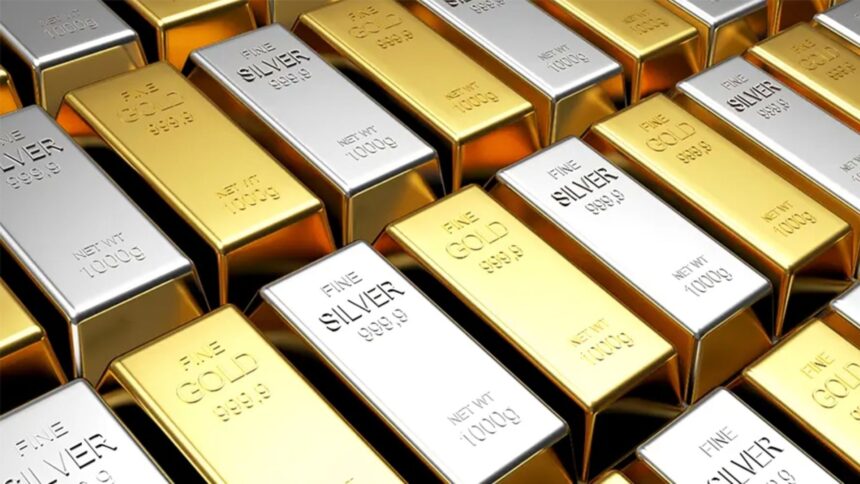
Precious metal prices witnessed a steep correction, with gold and silver falling sharply after touching historic peaks.
silver slides steeply while gold retreats after touching all-time highs
The bullion market witnessed a significant downturn as prices of both gold and silver declined sharply over the past two days, reversing part of their recent rally. According to data from the India Bullion and Jewellers Association, silver prices in the domestic market fell dramatically, dropping by ₹38,000 per kilogram over two days and settling at ₹2,44,929 per kg. The decline marked one of the steepest short-term corrections in silver prices in recent months.
Gold prices also moved lower, though the fall was comparatively moderate. The price of 24-carat gold declined by ₹424 per 10 grams to ₹1,52,078, taking the total two-day fall to more than ₹6,000. The correction comes after both metals had surged to unprecedented levels toward the end of January, driven by strong global cues, speculative buying, and heightened demand for safe-haven assets.
On January 29, gold touched an all-time high of ₹1,76,121 per 10 grams, while silver peaked at ₹3,85,933 per kg in the bullion market. These record levels triggered cautious sentiment among investors, many of whom began reassessing their positions as prices appeared stretched. Market participants noted that the rapid escalation left little room for further upside in the short term, making a correction almost inevitable.
The recent fall follows an even sharper decline witnessed earlier between January 29 and February 2, when silver prices had plunged by nearly ₹1.60 lakh per kg. During the same period, gold prices fell by around ₹26,000 per 10 grams. Although both metals had shown signs of recovery after that phase, the latest movement indicates renewed selling pressure.
In the futures market on Multi Commodity Exchange, silver prices dropped from near ₹4 lakh per kg to around ₹2.41 lakh, while gold futures declined from approximately ₹1.70 lakh to ₹1.40 lakh per 10 grams before stabilising. Traders observed that volatility remains high, with prices responding swiftly to shifts in global sentiment and domestic demand dynamics.
profit booking and weak demand drive correction as buyers turn cautious
Market experts attribute the recent decline primarily to profit booking by investors who entered the market during the sharp upswing. After prices reached record highs, many investors chose to lock in gains, resulting in a wave of selling that pushed prices lower. This behaviour is typical after strong rallies, particularly in commodities that experience rapid appreciation over a short period.
Another major factor behind the decline is the weakening of physical demand. After prices touched historic highs, demand from jewellery buyers and retail consumers softened considerably. High prices discouraged fresh purchases, especially in price-sensitive segments, leading to reduced buying activity across major markets. Concerns related to industrial usage of silver also contributed to subdued demand, adding further pressure on prices.
The correction has prompted renewed discussions among buyers and investors about timing and strategy when entering the bullion market. Jewellers and analysts have advised caution, particularly for retail buyers looking to purchase gold for investment or consumption purposes. They stress the importance of paying attention to quality, pricing, and certification when buying gold during volatile market conditions.
Certified gold remains a key consideration for buyers. Jewellery purchased with a hallmark from the Bureau of Indian Standards ensures purity and transparency, allowing consumers to make informed decisions. Buyers are also encouraged to verify daily gold rates, as prices vary depending on purity levels such as 24 carat, 22 carat, and 18 carat gold, and can differ slightly across markets.
Cross-checking prices from reliable industry references before making a purchase has become increasingly important amid fluctuating rates. Experts note that while short-term corrections may cause uncertainty, long-term fundamentals for gold and silver continue to attract investor interest, especially during periods of economic uncertainty and inflationary pressure.
As the bullion market adjusts after its recent highs, traders expect continued volatility in the near term. Much will depend on global economic signals, currency movements, and changes in demand patterns. For now, the sharp decline has brought temporary relief to buyers waiting on the sidelines, even as investors remain watchful of the next major price movement.