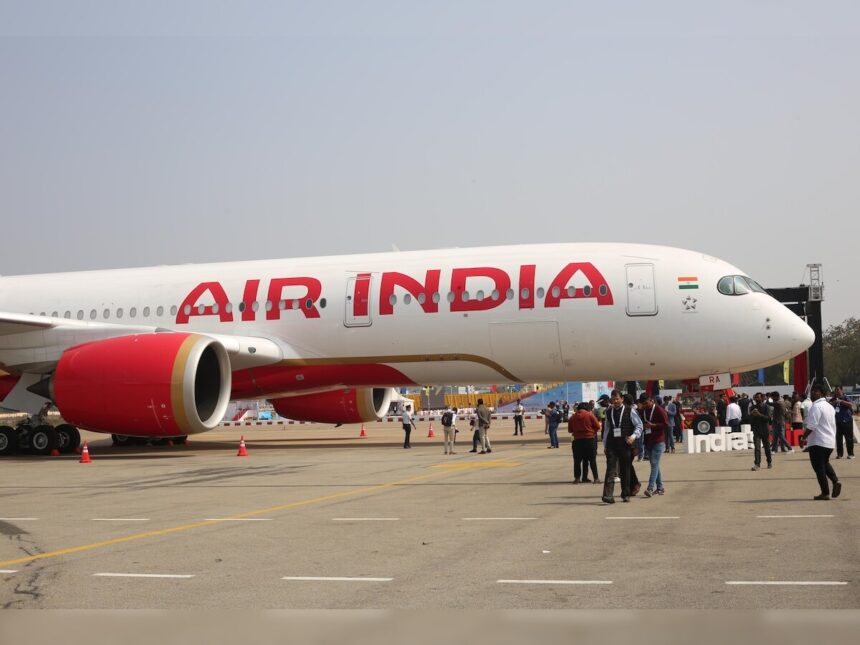
A Delhi-bound Air India flight from Thiruvananthapuram in Kerala, carrying several Members of Parliament including Congress Secretary KC Venugopal, experienced a frightening ordeal on Sunday, forcing an emergency diversion to Chennai. The incident, which involved severe turbulence shortly after takeoff and a technical fault on board, has raised questions about passenger safety and airline protocols.
In a detailed post on X (formerly Twitter), KC Venugopal described the flight AI 2455 as having “come frighteningly close to tragedy.” According to him, the flight was already delayed before departure and soon after taking off from Thiruvananthapuram, it encountered unprecedented turbulence. Roughly an hour later, the captain announced a fault related to the flight’s signaling systems, prompting a decision to divert to Chennai for safety reasons.
Venugopal’s post paints a vivid picture of the tense moments aboard the aircraft. After being diverted, the plane circled the Chennai airport for nearly two hours, awaiting permission to land. The situation escalated during the first landing attempt when another aircraft was reportedly on the same runway, forcing the pilot to execute a go-around maneuver — essentially aborting the landing and ascending back into the air. Venugopal credits the pilot’s quick thinking and skill for averting disaster, stating, “The captain’s quick decision to pull up saved every life on board.” The aircraft successfully landed on its second attempt.
While grateful for the skill and fortune that spared the passengers, Venugopal expressed concern over the fact that “passenger safety cannot depend on luck.” He called for a thorough investigation into the incident, tagging the Directorate General of Civil Aviation (DGCA) and the Ministry of Civil Aviation on social media, urging them to determine accountability and ensure such dangerous lapses do not occur again.
Air India’s Response and Contradiction
Following the incident, Air India issued a statement clarifying some details. The airline explained that the diversion to Chennai was a precautionary measure taken due to a suspected technical issue onboard combined with poor weather conditions. Air India emphasized that the go-around during the first landing attempt was not due to the presence of another aircraft on the runway but was instead ordered by Chennai Air Traffic Control (ATC) as a standard safety procedure.
The airline assured the public that its pilots are well-trained to handle emergency situations and that standard protocols were followed throughout the flight. Air India acknowledged the inconvenience caused by the diversion but reiterated that passenger safety remains its utmost priority.
However, Venugopal strongly refuted the airline’s explanation, accusing Air India of lying about the reason for the go-around. He maintained that the captain had publicly announced the presence of another aircraft on the runway as the cause for aborting the first landing. Venugopal called for a “fair enquiry” to uncover the facts.
Flight Details and Official Insights
According to data from the flight tracking website Flightradar24, the flight departed Thiruvananthapuram at around 8:17 pm, landed in Chennai at approximately 10:35 pm, then took off again at 1:40 am and finally arrived in Delhi at 3:58 am. This prolonged journey reflects the difficulties faced due to the diversion and landing complications.
A day after the incident, sources from DGCA revealed that the Chennai ATC had flagged debris on the runway, which was part of the precautionary reason for diverting the flight and the subsequent go-around maneuver. The regulatory body is expected to investigate the entire incident closely to assess safety lapses and procedural adherence.
Context of Recent Safety Concerns at Air India
This incident comes at a sensitive time for Air India, which has been under intense scrutiny following several safety-related issues. The airline’s reputation was severely affected after a tragic crash on June 12, which killed 241 passengers onboard and 19 people on the ground.
Moreover, just last week, two passengers traveling from San Francisco to Mumbai reported finding cockroaches inside the aircraft. While Air India promptly apologized for the incident and expressed regret for any inconvenience caused, the airline downplayed the severity by attributing the problem to insects entering during ground operations despite regular fumigation efforts. This explanation was met with criticism from passengers and safety observers alike.
The Bigger Picture
The recent emergency diversion, coupled with ongoing controversies, underscores the critical need for rigorous safety standards and transparent communication by airlines, especially a national carrier like Air India. Passenger confidence in the airline depends not only on the quality of service but crucially on the assurance of safety and prompt handling of emergencies.
KC Venugopal’s call for accountability and a thorough inquiry reflects a wider concern among passengers and regulators regarding the standards of safety management and crisis response. As investigations proceed, the focus will be on understanding what exactly caused the technical fault, how well crew and ground staff managed the situation, and what steps can be taken to prevent future incidents.
While the flight’s safe landing was a relief for all onboard, the episode serves as a stark reminder that aviation safety is paramount and must never be compromised. Passengers deserve not just skillful pilots but also transparent communication and robust systems that minimize risks and ensure prompt, effective responses to any emergency.
As India’s aviation sector grows and the government pushes for modernization, maintaining stringent safety standards will be essential for protecting lives and sustaining trust in air travel. The incident with AI 2455 will likely become a case study in the importance of preparedness and accountability within the country’s civil aviation ecosystem.