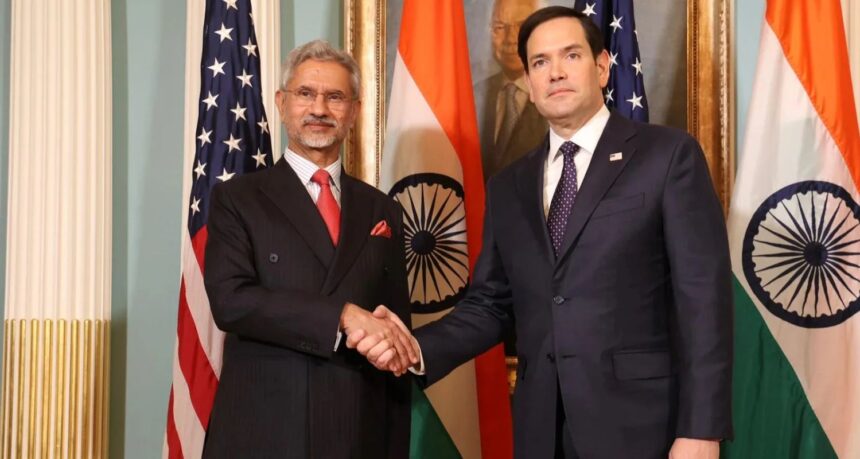
India’s External Affairs Minister S. Jaishankar is set to meet United States Secretary of State Marco Rubio today in New York, on the sidelines of the United Nations General Assembly session. This high-level encounter marks a significant step in advancing the improving diplomatic relations between India and the US, following recent tensions over trade tariffs and visa policies. The meeting is expected to focus on bridging gaps that emerged in recent months, deepening economic cooperation, and addressing key concerns such as trade tariffs, H-1B visa fees, and collaborative engagement in global and regional issues. Officials have described this in-person meeting as a continuation of efforts to consolidate India-US ties and to explore mutually beneficial solutions on outstanding matters.
Enhancing Bilateral Relations Amid Trade Tensions
The upcoming meeting between S. Jaishankar and Marco Rubio represents a significant development in the trajectory of India-US relations, which have seen both strains and recoveries over the past year. The two leaders last met in Washington earlier this year in January, followed by another meeting in July. However, the present encounter will be the first in-person discussion since the bilateral ties faced friction over trade tariffs imposed by the Trump administration. The tariffs, which included a 50 percent duty on select Indian goods along with an additional 25 percent levied on Russian oil imports, had created uncertainty and concern among Indian exporters and policymakers.
Since then, diplomatic channels have worked to reduce tensions, with both sides resuming previously stalled trade negotiations. The Trump administration expressed optimism regarding the progress of talks, indicating that there should be “no difficulty” in reaching a trade agreement that benefits both countries. Against this backdrop, S. Jaishankar’s engagement with Marco Rubio is being viewed as an opportunity to further consolidate the gains in diplomacy and trade, while also addressing emerging issues such as technological cooperation, supply chain collaboration, and investment facilitation. The discussions will likely encompass the broader context of strategic cooperation, including shared interests in Indo-Pacific stability, counterterrorism, energy security, and climate change initiatives.
Commerce and Industry Minister Piyush Goyal is simultaneously leading a delegation engaged in formal trade discussions with the US on Monday. The Indian commerce ministry has emphasized that the delegation’s focus is on concluding a mutually beneficial trade agreement at the earliest opportunity, highlighting sectors that could see expanded collaboration, including manufacturing, information technology, energy, and critical minerals. The engagement underscores India’s intent to secure both short-term solutions to tariff-related concerns and long-term frameworks for sustainable economic partnership.
Addressing H-1B Visa Fee and Tech Sector Concerns
One of the critical agenda items in the S. Jaishankar-Marco Rubio meeting is the recent change in H-1B visa regulations under the Trump administration. The administration announced a one-time increase in H-1B visa fees, requiring a $100,000 payment for new applications. This decision initially caused widespread uncertainty and concern within the US technology sector and among Indian professionals seeking employment opportunities in America. Tech companies and employees reacted strongly, citing the potential disruption to recruitment, project timelines, and long-term talent planning.
Following the backlash, the White House clarified that the fee would only apply to new petitions, exempting current visa holders from the additional charge. Nevertheless, the impact on bilateral trade and workforce mobility remains significant, particularly given the scale of Indian talent employed across technology firms in the United States. S. Jaishankar is expected to raise these concerns with Marco Rubio, emphasizing the importance of predictable visa policies for facilitating investment, innovation, and workforce collaboration between the two nations.
The meeting will also explore ways to strengthen economic engagement through measures such as easing regulatory barriers, addressing trade imbalances, and fostering cooperation in emerging technologies. Given India’s growing role in global supply chains, particularly in sectors like pharmaceuticals, electronics, and IT services, stable visa arrangements and fair trade practices are essential for maintaining competitiveness and bilateral trust. Both leaders are likely to discuss mechanisms for ensuring continuity in collaboration, including dialogue platforms for tech industry representatives and policy-level consultations to preempt future disruptions.
Beyond trade and visa-related matters, the discussions may extend to regional security challenges, strategic partnerships in the Indo-Pacific, counterterrorism initiatives, and climate action commitments. The United Nations General Assembly session provides a timely backdrop for such discussions, offering opportunities for India and the US to align their positions on global governance, energy security, and humanitarian challenges. Experts suggest that reinforcing trust and communication channels at the ministerial level will be critical for sustaining momentum in bilateral cooperation across economic, strategic, and cultural domains.
This meeting signals India’s commitment to actively engage with its global partners while addressing domestic economic priorities. The combination of trade negotiations, visa policy deliberations, and strategic consultations reflects a multifaceted approach to diplomacy, where economic interests, workforce mobility, and regional stability are intertwined. Analysts note that the outcome of such high-level engagements could have long-term implications for India-US relations, influencing trade flows, technology collaboration, and geopolitical alignment in the years ahead.
The S. Jaishankar-Marco Rubio engagement also underscores the importance of consistent dialogue in resolving complex issues that affect bilateral relations. Past tensions, such as those arising from tariffs on Indian exports, demonstrated the need for regular, high-level consultations to build mutual understanding and trust. The current meeting provides a platform to reaffirm commitments, clarify policy intentions, and identify practical steps to enhance cooperation in areas of shared interest.
As India and the US navigate these economic and diplomatic challenges, the focus on constructive engagement and forward-looking dialogue remains central to their partnership. While immediate outcomes may include tariff adjustments, trade facilitation, and visa policy clarifications, the broader goal is to reinforce a sustainable, mutually beneficial relationship that aligns with both nations’ strategic and economic priorities. The high-level discussion is expected to set the tone for continued collaboration, including joint initiatives in technology, investment, energy, and infrastructure development.
In addition, the meeting highlights the evolving nature of India-US ties in a rapidly changing global environment. With geopolitical uncertainties, fluctuating trade policies, and emerging technological trends, consistent ministerial-level engagement is increasingly essential for anticipating challenges, mitigating risks, and maximizing opportunities. By addressing both economic and policy concerns in a single forum, S. Jaishankar and Marco Rubio aim to provide clarity to businesses, investors, and citizens who rely on the stability of India-US relations for their economic and professional planning.
The meeting also comes at a time when both nations are emphasizing the strategic importance of the Indo-Pacific region and the need for collective approaches to security, maritime cooperation, and sustainable development. This dual focus on economic and strategic collaboration illustrates the depth and complexity of the partnership, which extends well beyond transactional trade matters to encompass broader regional and global interests.
Ultimately, the S. Jaishankar-Marco Rubio meeting is poised to reinforce a narrative of proactive diplomacy, balancing immediate economic concerns with long-term strategic vision. The discussions will likely serve as a foundation for subsequent negotiations, agreements, and collaborative initiatives between India and the US, shaping bilateral ties in a period characterized by both opportunities and challenges on multiple fronts. By addressing trade tariffs, visa regulations, and broader cooperation frameworks, the two leaders aim to ensure that India-US relations remain resilient, forward-looking, and mutually advantageous.