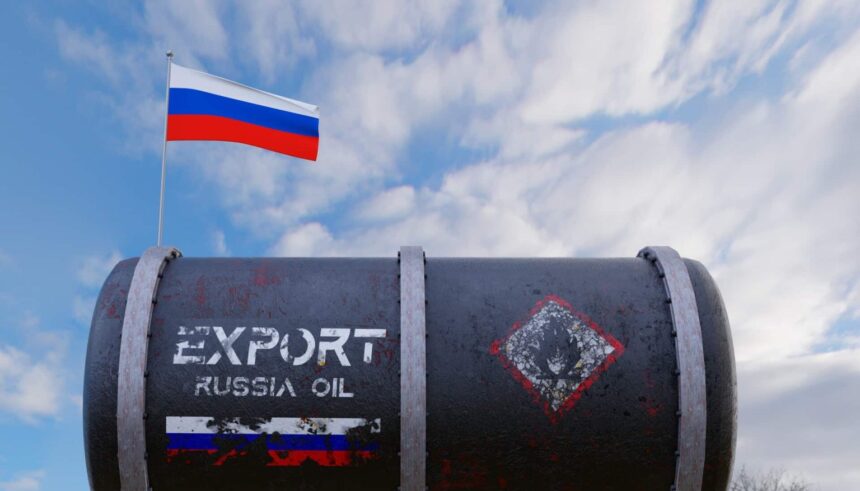
The Government of Russia has announced a ban on gasoline exports effective April 1, 2026, in a decisive move aimed at stabilising domestic fuel prices and ensuring adequate supply within the country. The decision comes amid heightened volatility in global oil markets triggered by ongoing geopolitical tensions in West Asia.
The policy was finalised following a high-level review meeting chaired by Deputy Prime Minister Alexander Novak, where officials assessed the domestic petroleum market and evaluated the risks posed by fluctuating international energy prices.
The export ban underscores Russia’s focus on shielding its domestic economy from global disruptions while maintaining sufficient fuel availability for its citizens and industries.
Why Russia Is Halting Gasoline Exports
The primary objective behind the export ban is to prevent a surge in domestic fuel prices and ensure stable supply within the country. With global oil markets experiencing uncertainty due to geopolitical conflicts, energy-exporting nations like Russia are under pressure to balance international demand with domestic needs.
Officials highlighted that the ongoing crisis in West Asia has led to sharp fluctuations in oil and petroleum product prices worldwide. Despite strong demand for Russian energy in global markets, the government has chosen to prioritise internal stability over export revenues.
The move aligns with directives from Russian President Vladimir Putin, who has emphasised the importance of keeping fuel prices within forecasted limits to protect consumers and businesses.
Domestic Supply Remains Stable
According to Russia’s Ministry of Energy, the country currently maintains stable refining levels and sufficient reserves of gasoline and diesel to meet domestic demand.
Officials reported that oil refining rates remain consistent with previous benchmarks, while refinery capacity utilisation is high. This ensures that the domestic market is well-supplied even as exports are curtailed.
Industry stakeholders have also confirmed that existing fuel reserves are adequate to support consumption across sectors, including transportation, agriculture, and manufacturing.
The export ban is therefore seen as a preventive measure rather than a response to an immediate shortage, aimed at avoiding future supply constraints and price spikes.
Impact of West Asia Conflict on Global Energy Markets
The decision to halt gasoline exports is closely linked to the broader geopolitical situation in West Asia, which has disrupted global energy supply chains and increased price volatility.
Conflicts in the region have affected the flow of crude oil, liquefied natural gas (LNG), and other petroleum products, leading to uncertainty in international markets. As a result, energy-importing countries are facing rising costs, while exporters are navigating fluctuating demand and pricing dynamics.
Russia, being a major energy producer, is particularly sensitive to these changes. By restricting exports, the country aims to insulate its domestic market from external shocks and maintain economic stability.
Strategic Importance of Fuel Price Stability
Fuel prices play a critical role in the overall economy, influencing transportation costs, inflation, and industrial productivity. Any significant increase in gasoline prices can have a cascading effect on various sectors, impacting both businesses and consumers.
By implementing the export ban, the Russian government seeks to control price movements and prevent inflationary pressures. This is especially important in the current global environment, where energy costs are already elevated.
Maintaining stable fuel prices is also crucial for public sentiment and economic confidence, particularly during periods of geopolitical uncertainty.
Role of Government and Energy Authorities
The export ban was formalised after detailed discussions between government officials and energy sector representatives. Following the review meeting, Deputy Prime Minister Alexander Novak instructed the Ministry of Energy to draft a resolution implementing the ban.
The coordinated approach reflects the government’s proactive stance in managing the domestic energy market. By involving key stakeholders and relying on data-driven assessments, authorities aim to ensure that policy decisions are both effective and sustainable.
The Ministry of Energy will continue to monitor market conditions and adjust policies as needed to maintain stability.
Implications for Global Energy Trade
Russia’s decision to halt gasoline exports could have ripple effects on global energy markets. As one of the world’s major energy suppliers, any change in Russia’s export policy can influence supply dynamics and pricing trends.
Reduced availability of Russian gasoline in international markets may lead to increased competition among buyers, potentially driving up prices in certain regions.
At the same time, other energy-exporting countries may seek to fill the gap, leading to shifts in trade patterns and supply chains.
The long-term impact will depend on the duration of the export ban and the evolving geopolitical situation.
India’s Preparedness Amid Global Disruptions
Amid global energy uncertainties, the Government of India has reassured that the country has sufficient reserves of crude oil and petroleum products to meet domestic demand.
Officials from the Ministry of Petroleum and Natural Gas have stated that India currently maintains adequate inventories, with supplies secured for the coming months. Refineries are operating at full or above capacity, ensuring uninterrupted availability of fuel.
Additionally, domestic production of liquefied petroleum gas (LPG) has increased, providing further stability in the energy sector.
These measures highlight India’s efforts to mitigate the impact of global disruptions and maintain energy security.
Balancing Export Revenue and Domestic Needs
For energy-exporting nations like Russia, decisions to restrict exports involve a trade-off between earning foreign exchange and ensuring domestic stability.
While exports contribute significantly to national revenue, prioritising domestic supply can help prevent economic disruptions and protect consumers from price shocks.
The current move reflects a strategic choice to focus on internal stability during a period of global uncertainty.
Potential Duration and Future Outlook
The duration of the export ban has not been explicitly specified, indicating that it may remain in place until market conditions stabilise.
Authorities are likely to review the situation periodically and adjust policies based on changes in global and domestic energy dynamics.
If geopolitical tensions ease and market stability returns, Russia may consider lifting or modifying the ban to resume exports.
Broader Implications for Energy Policy
The export ban highlights the growing importance of energy security in national policy-making. Countries are increasingly prioritising domestic supply and resilience in the face of global disruptions.
This trend is likely to influence future energy strategies, including investments in domestic production, diversification of supply sources, and development of alternative energy solutions.
For consumers and businesses, such policies underscore the interconnected nature of global energy markets and the impact of geopolitical events on everyday life.
Russia’s decision to ban gasoline exports from April 1 represents a strategic response to global energy volatility and domestic economic priorities. By prioritising internal supply and stabilising fuel prices, the government aims to shield its economy from external shocks.
While the move may have implications for global energy markets, it highlights the importance of balancing export interests with domestic needs in an increasingly uncertain world.
As geopolitical developments continue to shape the energy landscape, such policy measures are likely to play a crucial role in maintaining stability and ensuring sustainable growth.