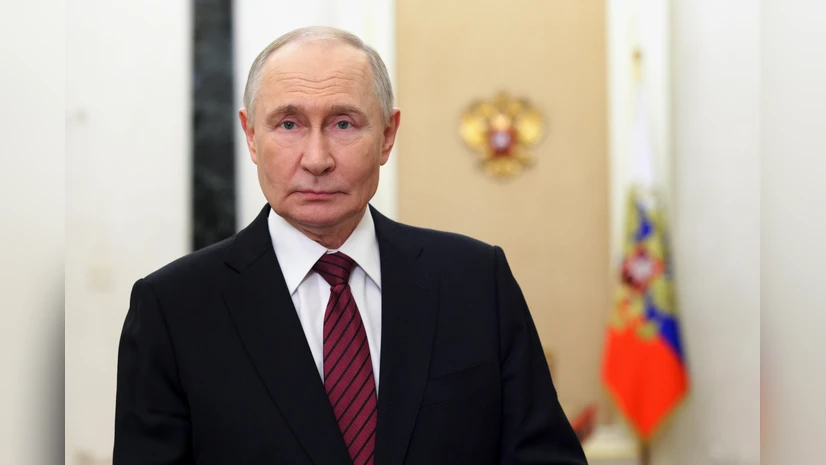
Russia has said it is reviewing its negotiating stance on peace talks with Ukraine after alleging that Ukrainian forces attempted to attack President Vladimir Putin’s state residence with long-range drones, a claim Kyiv has categorically denied. The accusation, made at the highest levels of the Russian government, has injected new volatility into already fragile diplomatic efforts and sharpened rhetoric on both sides of a conflict that has reshaped European security and global geopolitics.
The allegation surfaced at a moment when international actors have been exploring avenues to narrow differences between Moscow and Kyiv. Russia’s assertion that a presidential residence was targeted elevates the dispute beyond battlefield engagements and into the realm of symbolic and political escalation. Ukraine’s leadership, however, has dismissed the claim as a fabrication designed to justify intensified strikes and to undermine momentum toward negotiations.
Moscow alleges large-scale drone attack and signals review of diplomatic posture
Russian officials said that over the night spanning December 28 and 29, Ukrainian forces launched a coordinated drone assault against a state residence used by Vladimir Putin in the Novgorod region. According to Moscow, as many as 91 long-range drones were involved and were intercepted and destroyed by Russian air defence systems before reaching their intended target. The Russian government has not publicly clarified whether the president was present at the residence at the time of the alleged incident.
Russian Foreign Minister Sergei Lavrov described the alleged attack as reckless and characterised it as an act of state terrorism. He warned that such actions would not go unanswered and said Russian armed forces had already selected targets for potential retaliatory strikes. While emphasising that Russia would not withdraw from negotiations outright, Lavrov said the incident necessitated a reassessment of Moscow’s position in ongoing diplomatic discussions.
The Russian narrative framed the alleged drone attack as particularly provocative because it occurred amid talks about a possible peace settlement. Officials suggested that the timing raised doubts about Ukraine’s sincerity and accused Kyiv of attempting to gain leverage or derail negotiations through escalation. Moscow’s statements indicated that prior understandings reached during earlier phases of dialogue could be revisited in light of what it views as a direct threat to the security of its head of state.
Within Russia, the allegation was presented as evidence of an expanding conflict that increasingly targets symbolic and political centres rather than purely military objectives. Russian media and officials stressed that attacks on presidential residences cross a red line, arguing that they undermine the foundations of diplomatic engagement. At the same time, the absence of publicly presented evidence has fuelled scepticism among external observers, even as Russian authorities maintain the seriousness of their claim.
The broader implication of Moscow’s response is a potential hardening of positions at the negotiating table. By signalling that its stance will be reviewed, Russia has introduced uncertainty about previously discussed confidence-building measures and the pace at which talks might proceed. Analysts note that such reviews often translate into tougher demands or a recalibration of expectations, complicating efforts by mediators to sustain dialogue.
Ukraine denies accusation, warns of pretext for escalation as putin briefs trump
Ukraine moved quickly to reject Russia’s allegation, with President Volodymyr Zelenskyy calling it a complete fabrication. Zelenskyy said the claim was intended to prepare the ground for intensified Russian attacks, including potential strikes on government buildings in Kyiv. He argued that Moscow had not provided any evidence to substantiate its assertion and accused Russia of manipulating narratives to justify further military action and its own reluctance to take meaningful steps toward ending the war.
Ukrainian officials reiterated that Kyiv has consistently denied targeting civilian or symbolic political sites in Russia and maintained that its actions are focused on defending its territory. Zelenskyy warned that portraying Ukraine as attacking a presidential residence could be used to rally domestic support in Russia for escalation while attempting to shift blame internationally. He described the accusation as part of a broader pattern of information warfare aimed at undermining Ukraine’s diplomatic standing.
The issue featured prominently in a phone conversation between President Putin and U.S. President Donald Trump, according to Kremlin officials. Russian presidential aide Yuri Ushakov said Putin informed Trump that Russia would review its peace negotiation posture following the alleged drone attack. Ushakov added that Trump was reportedly shocked by the claim and had been briefed on Washington’s ongoing contacts with Ukraine.
According to the Kremlin account, the U.S. side conveyed that it was urging Kyiv to take concrete steps toward a final settlement rather than relying on calls for temporary ceasefires. Ushakov said Russia remained concerned that proposals discussed with American interlocutors could be interpreted too broadly by Ukraine, potentially allowing Kyiv to avoid firm commitments. He added that Moscow would reassess several agreements and understandings reached at earlier stages of engagement.
Ukraine, for its part, dismissed the Russian version of events surrounding the Trump-Putin conversation and reiterated that the allegation itself was false. Ukrainian officials said Russia’s claims were aimed at weakening international support for Kyiv and creating diplomatic cover for further strikes. They emphasised that genuine progress toward peace requires verifiable facts and mutual trust, both of which they argue are undermined by unsubstantiated accusations.
The exchange has highlighted the deep mistrust that continues to define relations between Russia and Ukraine. Each side accuses the other of acting in bad faith, and developments such as alleged attacks or retaliatory threats quickly reverberate through diplomatic channels. For mediators and international partners, the episode underscores the fragility of current efforts to stabilise the situation and the ease with which narratives of escalation can derail dialogue.
As Russia signals a review of its negotiating stance and Ukraine warns of fabricated pretexts for further attacks, the path toward de-escalation appears increasingly uncertain. The episode illustrates how claims of high-profile threats can reshape diplomatic calculations, harden positions and deepen divisions, even as calls for a negotiated end to the conflict continue from parts of the international community.