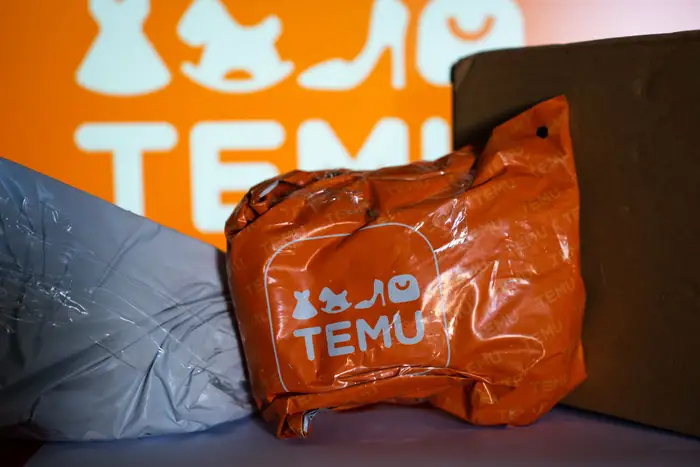
Chinese e-commerce giant Temu is pivoting toward selling products from United States-based warehouses after United States President Donald Trump suspended a long-standing tax exemption that allowed duty-free imports on low-value goods. The move, announced as part of new tariffs that include an additional 10% tax on Chinese imports, has forced Temu and other Chinese retailers such as Shein to adjust their business strategies to minimize disruption.
The tax provision, known as de minimis, has been in place for nearly a century and permitted e-commerce platforms to ship goods valued under $800 into the United States without paying import duties. The exemption played a critical role in the rapid expansion of Temu and Shein, allowing them to keep prices low and compete aggressively in the market. However, with the new tariffs in place, Temu has significantly increased its promotion of sellers that stock products in United States warehouses rather than shipping them directly from China.
A scan of Temu’s “Lightning Deals” section now reveals that most featured products display a green “local” badge, indicating they are stored in the United States. This shift not only helps Temu reduce reliance on direct-from-China shipping but also ensures faster deliveries to customers. However, despite being stocked in United States warehouses, many of these products continue to be sold by businesses based in China.
Temu’s strategic pivot brings it into closer competition with major United States retailers such as Amazon, eBay, and Walmart, all of which have been expanding their network of Chinese sellers. Amazon, in particular, responded to Temu and Shein’s growing market presence by launching its budget storefront, Haul, last year to attract cost-conscious shoppers.
Owned by Chinese e-commerce company PDD Holdings, Temu began onboarding sellers with inventory in United States warehouses in March. By July, approximately 20% of Temu’s United States sales were generated from these sellers, according to data from e-commerce research firm Marketplace Pulse.
Chinese e-commerce companies are now working to mitigate the impact of stringent new customs regulations. The disruption escalated further on Tuesday night when the United States Postal Service abruptly announced the suspension of inbound shipments from China and Hong Kong. Less than 12 hours later, the decision was reversed, and the postal service confirmed it would collaborate with United States Customs and Border Protection to implement an efficient tariff collection mechanism while minimizing delays in package deliveries.
PDD Holdings has faced market volatility following these regulatory changes, with its stock price falling 6% on Monday, rebounding 8% on Tuesday, and dropping more than 3% on Wednesday.
The de minimis exemption has long been a controversial issue, with critics arguing that it unfairly benefits Chinese retailers and allows an influx of shipments with minimal regulatory oversight, raising concerns about counterfeit and unsafe goods. A report from the House Select Committee on the Chinese Communist Party in 2023 found that Temu and Shein were likely responsible for over 30% of de minimis shipments into the United States. Meanwhile, customs officials have warned that removing the exemption will create a significant backlog, as the United States Customs and Border Protection processed over 1.3 billion de minimis shipments in 2024 alone.
Shein has also been investing in its United States infrastructure to adapt to the new trade environment. The company opened distribution centers in Illinois and California in 2022 and launched a supply chain hub in Seattle in 2023 to improve delivery times for American consumers.
As Chinese e-commerce firms navigate the evolving regulatory landscape, their ability to adapt to increased scrutiny and higher tariffs will determine their long-term competitiveness in the United States market.