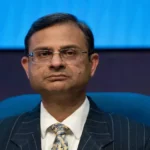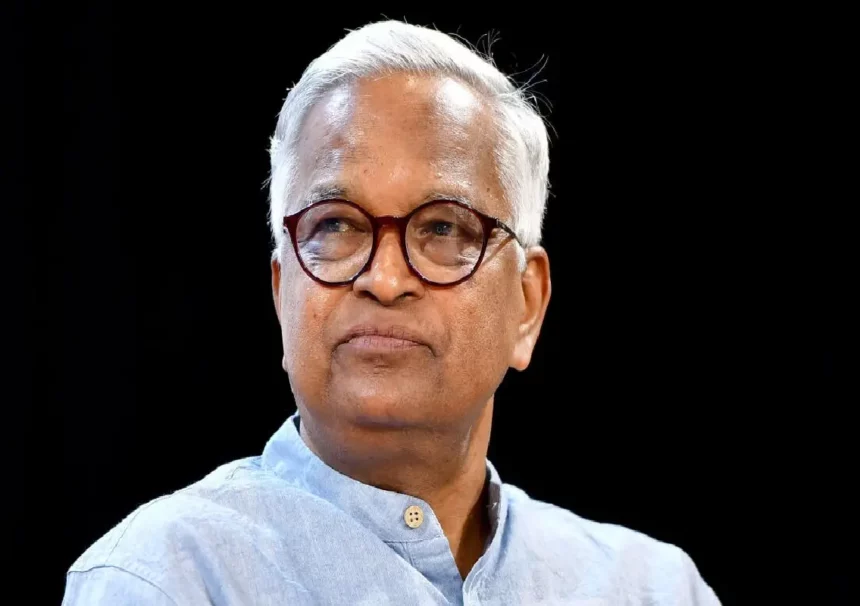
A political storm has erupted in Karnataka after comments made by Kannada Development Authority chairman Purushottam Bilimale regarding homosexuality among Yakshagana performers from earlier decades triggered strong backlash from the Bharatiya Janata Party. State BJP president B. Y. Vijayendra has demanded Bilimale’s immediate dismissal, accusing him of insulting not only the centuries-old Yakshagana artform but also the sentiments of the wider Hindu community. While BJP leaders have framed the remarks as an attack on tradition and cultural pride, Bilimale has defended his comments as historically contextual observations about the hardships faced by performers in the past. The controversy has quickly expanded from an artistic debate to a full-blown political dispute, revealing deep tensions around culture, identity, and public accountability.
BJP’s Condemnation, Accusations of Insulting Hindu Culture, and Calls for Immediate Action
State BJP president B. Y. Vijayendra sharply criticised Purushottam Bilimale on Thursday, demanding his removal from the post of Kannada Development Authority chairman. Vijayendra alleged that Bilimale’s statements had deeply insulted Yakshagana, a revered folk theatre tradition in coastal Karnataka known for its elaborate costumes, mythological narratives, and cultural legacy. He described the remarks as an affront not only to the artform but to the entire Hindu society. According to Vijayendra, the ruling Congress government has shown “complete disrespect” for the cultural identity of the state by continuing to retain Bilimale despite the controversy.
Vijayendra warned that the BJP would organise statewide protests if chief minister Siddaramaiah failed to dismiss Bilimale immediately. Accusing the government of administrative paralysis, he argued that the Congress regime was more focused on internal power struggles over the chief ministership than on preserving Karnataka’s cultural heritage.
The dispute began after Bilimale, himself a former Yakshagana performer, spoke at a book launch in Mysuru. During his address, he said that homosexuality had been “inevitable” among Yakshagana artistes of the 1960s, given the harsh and isolated living conditions of that era. Bilimale pointed out that troupes often travelled for months at a time, staying far from their families and enduring emotional strain, poverty, and physical exhaustion. Such circumstances, he suggested, created complex social dynamics within the troupes.
He later defended his comments in a television interview, saying that his words were being deliberately misinterpreted. He explained that his intent was not to generalise or malign the artform but to highlight the specific socio-economic pressures of a bygone period. According to him, performers in those times lived difficult lives, with little stability or personal space. As a consequence, they often faced situations that contemporary society may not fully understand.
Bilimale further stated that many performers who lived through that era had privately shared their experiences with him over the years. He emphasised that he had been part of Yakshagana for 30 to 40 years, and his deep love for the artform shaped his understanding of its history. He noted that some male artistes who played female roles faced additional pressures and that refusal of same-sex advances could sometimes lead to harassment on stage. These accounts, he reiterated, represented a particular historical reality rather than a reflection of current practices.
The controversy intensified after certain media outlets quoted him as saying that “most Yakshagana performers are homosexuals.” BJP leaders seized on the statement, declaring it an outrageous insult to a tradition rooted in devotion, mythology, and cultural faith. Vijayendra said that such remarks undermined the dignity of performers who dedicate their lives to this art, as well as the millions of people who revere Yakshagana as part of their identity.
He argued that the Congress government’s decision to retain Bilimale showed its “contempt for Yakshagana” and disregard for the sentiments of the people of Karnataka. “Yakshagana is not just a performance,” Vijayendra said. “It is a living symbol of devotion, folklore, and history. To smear its artistes with such allegations is unacceptable.”
Historical Context, Artistic Realities, and the Complex Debate Around Performer Experiences
While the BJP has strongly condemned the remarks, Purushottam Bilimale has continued to defend his perspective, asserting that he intended to shed light on the sociological realities of Yakshagana performers during the mid-20th century. According to him, the context in which artistes lived was vastly different from the present. Troupes travelled on foot or by basic transport, often performing in remote villages with minimal facilities. They stayed in makeshift accommodations, faced irregular income, and remained separated from their families for extended periods.
Bilimale said these circumstances created a unique emotional and psychological environment for performers. He insisted that the discussion was not about morality but about understanding the lived experiences of artistes who shaped Yakshagana’s history. He argued that no artform should be romanticised to the point that the difficulties faced by its practitioners are erased from public memory.
He clarified that he had never claimed Yakshagana promotes homosexuality, nor did he intend to label present-day performers in any way. Instead, he said his remarks were specific to a past era when social isolation, poverty, and continuous travel contributed to behaviours and experiences that must be understood within their historical framework. Bilimale added that once artists stepped off the stage and removed their costumes, they faced personal struggles that society seldom acknowledged.
According to him, a small section of artistes—particularly men who portrayed female characters—faced additional pressure within their troupes. Power dynamics sometimes influenced how individuals were treated, and refusal of advances could allegedly lead to humiliation during performances. These accounts, he said, were confided to him by performers who trusted him over decades. However, he stressed that these experiences belonged to a specific historical period and had no relation to the contemporary Yakshagana environment.
Bilimale also highlighted the dramatic changes that have occurred in Yakshagana today. Modern performers travel by car, return home after performances, and are supported by better infrastructure, higher income, and improved social mobility. With enhanced connectivity and public safety, the circumstances that once led to emotional isolation or vulnerability have largely diminished. He emphasised significant improvements in working conditions, personal freedom, and dignity for today’s artistes.
Cultural scholars observing the controversy note that artistic traditions often carry complex histories that include both glory and hardship. They argue that discussing such realities should not automatically be equated with disrespect or defamation. Some have suggested that the reaction to Bilimale’s remarks reflects rising sensitivity around issues of cultural identity and the tendency to politicise discussions about heritage.
Others argue that individuals in public cultural institutions must exercise greater caution when speaking about traditional artforms, especially when their comments can be interpreted in ways that offend communities or create misunderstandings. The debate has therefore expanded beyond the original remarks, touching on broader themes of artistic integrity, historical context, political opportunism, and public responsibility.
The intense political responses from both sides indicate the symbolic significance of Yakshagana in Karnataka’s cultural landscape. For many people in coastal Karnataka, Yakshagana is deeply intertwined with religious devotion, folk narratives, and community identity. Any suggestion that challenges its sanctity naturally attracts strong reactions. The BJP views Bilimale’s comments as an attack on cultural pride, while supporters of Bilimale argue that honest historical analysis should not be misconstrued as cultural degradation.
As the dispute continues to escalate, it has become clear that this controversy will have lasting implications not only for Yakshagana performers but also for how cultural discussions unfold in a politically charged environment.