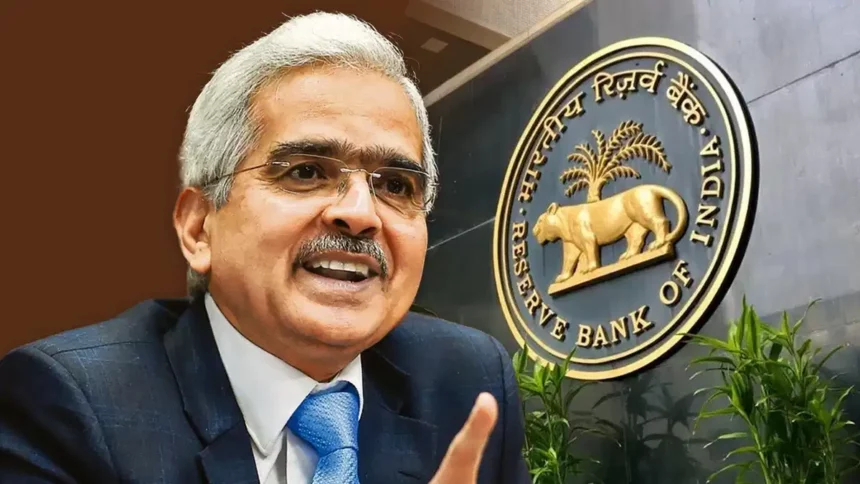
In a significant move aimed at offering greater relief to borrowers, the Reserve Bank of India (RBI) has unveiled draft guidelines that propose the removal of foreclosure charges and prepayment penalties on floating rate loans. The draft, which seeks public feedback until March 21, 2025, will be applicable to loans or advances that are foreclosed after the final circular is issued. Once finalized, these revised regulations will impact a broad range of financial institutions, including all Scheduled Commercial Banks (excluding Payments Banks), Local Area Banks, Co-operative Banks, Non-Banking Financial Companies (NBFCs), Housing Finance Companies (HFCs), and All India Financial Institutions (AIFIs).
The proposed changes are designed to eliminate the financial burden on individuals and businesses with floating rate loans by abolishing charges for prepaying or foreclosing loans. According to the draft guidelines, no foreclosure or prepayment charges will be levied on floating rate loans taken by individuals, except for business loans. Additionally, floating rate loans extended to individuals and Micro and Small Enterprises (MSEs) will also be free from charges, with exceptions for Tier 1 and Tier 2 Urban Cooperative Banks (UCBs) and base layer NBFCs. The rules apply regardless of the funding source and whether the prepayment or foreclosure is partial or full, offering borrowers more flexibility in managing their finances.
Furthermore, the RBI’s draft guidelines state that regulated entities (REs) must allow loan foreclosure or prepayment without imposing a minimum lock-in period. If the RE initiates the foreclosure or prepayment, no charges will be applied. In cases where fees are applicable, they must be transparently disclosed in the Key Fact Statement provided to borrowers. The RBI also explicitly prohibits the imposition of retrospective charges on any waived or undisclosed foreclosure or prepayment fees, ensuring greater transparency in lending practices.
The changes are expected to enhance the ease of doing business for borrowers, giving them the freedom to pay off loans early without facing prohibitive fees. With interest rates subject to fluctuations, floating rate loans can either benefit borrowers when rates drop or lead to higher payments when rates rise. The RBI’s recent rate cuts have already set a precedent, with the central bank reducing the key repo rate by 25 basis points earlier this month, signaling further potential relief for floating rate loan holders.
This move is part of the RBI’s ongoing efforts to make the financial system more borrower-friendly and to improve the overall transparency and flexibility of loan structures in India.