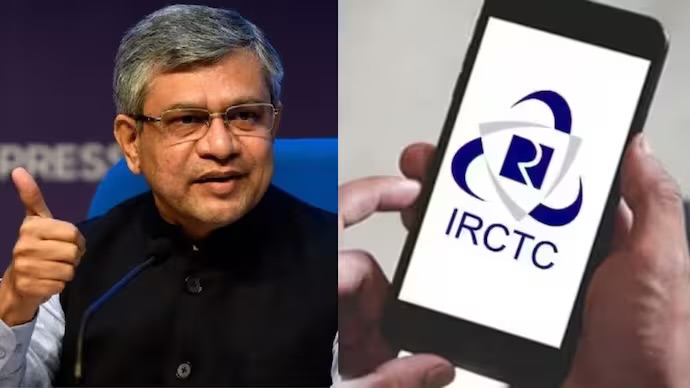
Prime Minister Narendra Modi’s government is set to strengthen the Tatkal train ticket booking system by introducing mandatory e-Aadhaar authentication. This move aims to curb fraudulent bookings and ensure that genuine passengers have a better chance of securing Tatkal tickets during peak demand. The Railway Ministry’s initiative will prioritize verified users, offering them enhanced access while cracking down on misuse of automated booking tools.
E-Aadhaar Authentication to Ensure Fair Access
Railways Minister Ashwini Vaishnaw announced that the Indian Railways will soon require e-Aadhaar verification for Tatkal ticket reservations. This step is designed to make the booking process more secure and transparent, particularly for passengers who urgently need confirmed tickets. By linking their IRCTC accounts with Aadhaar, users will gain priority access during the crucial first 10 minutes of Tatkal ticket sales, a period when demand is extremely high.
Currently, IRCTC account holders who authenticate their profiles with Aadhaar can book up to 24 Tatkal tickets per month. The new e-Aadhaar authentication will be an additional layer of security, making it harder for unauthorized users and ticketing agents to exploit the system. Notably, authorized IRCTC agents will be restricted from booking tickets during the initial 10-minute window, ensuring that genuine users get a fair opportunity.
Crackdown on Automated Ticket Booking Tools
This change is part of a larger effort by the Railways to combat the use of bots and automated software that unfairly book large numbers of tickets. Over the past six months, the Railways has deactivated more than 24 million suspicious users and flagged around 2 million accounts for further investigation. These measures seek to prevent scalping, black marketing, and other malpractices that have long plagued the Tatkal ticketing system.
By integrating e-Aadhaar verification, the Railways hopes to restore trust and reliability in the Tatkal booking process, making it easier for genuine passengers to travel without facing unfair hurdles. This move aligns with broader government efforts to digitize services and enhance transparency in public systems.