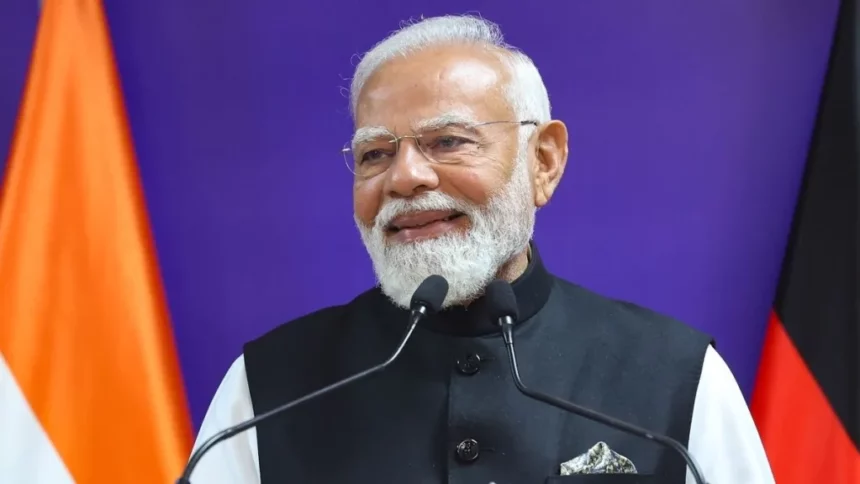
Prime Minister Narendra Modi is set to inaugurate the 28th Conference of Speakers and Presiding Officers of the Commonwealth in New Delhi, placing India at the centre of an important global conversation on the future of democratic legislatures. The high-level conference brings together parliamentary leaders from across the Commonwealth to reflect on shared democratic traditions, evolving legislative responsibilities, and the growing expectations placed on representative institutions in a rapidly transforming political and technological environment.
A global forum for parliamentary leadership and democratic exchange
The Conference of Speakers and Presiding Officers of the Commonwealth has, over the years, developed into a respected platform for dialogue among those entrusted with guiding parliamentary institutions in diverse democratic systems. By convening Speakers and Presiding Officers, the forum focuses on leaders who play a critical role in safeguarding parliamentary procedure, neutrality, and the ethical conduct of legislative business. Their responsibilities extend beyond managing debates; they are custodians of institutional credibility, democratic values, and the balance between government authority and opposition rights.
The 28th edition of the conference reflects the continuing relevance of this forum at a time when legislatures across the world face unprecedented pressures. Political polarisation, declining public trust, and the speed of information flow have reshaped how parliaments function and how citizens perceive them. In many countries, legislatures are expected to respond swiftly to crises, legislate on complex global issues, and remain transparent and accountable, all while preserving the deliberative nature of democratic decision-making.
India’s hosting of the conference highlights its long-standing engagement with parliamentary diplomacy and its belief in dialogue as a tool for strengthening democratic systems. Delegates from numerous Commonwealth countries, representing a wide range of constitutional arrangements and political cultures, have gathered to exchange experiences and explore solutions to common challenges. The presence of representatives from both established and emerging democracies adds depth to discussions, allowing lessons drawn from different social, economic, and historical contexts to inform collective thinking.
The inaugural session, led by the Prime Minister, is expected to underline the importance of strong legislatures as the foundation of democratic governance. India’s own parliamentary journey, shaped by constitutional values, federal diversity, and regular electoral participation, provides a meaningful backdrop for these conversations. By addressing the conference, the Prime Minister signals India’s readiness to share its experiences and to learn from others, reinforcing the idea that democratic resilience is built through continuous engagement and mutual learning.
Throughout the sessions, the role of Speakers and Presiding Officers as guardians of parliamentary dignity remains central. These leaders are responsible for ensuring that legislative chambers remain spaces for constructive debate rather than confrontation, where diverse viewpoints can be expressed without undermining institutional decorum. The conference provides an opportunity to examine how this role is evolving in an era marked by intense media scrutiny, instant public feedback, and growing citizen engagement through digital platforms.
Addressing modern challenges shaping parliaments worldwide
A major focus of the conference is the impact of technological transformation on parliamentary functioning. Advances in digital tools, data analytics, and artificial intelligence are changing how legislatures conduct research, manage records, and interact with citizens. Delegates are examining how these technologies can enhance efficiency, improve access to information, and strengthen transparency, while also recognising the ethical and institutional safeguards required to protect parliamentary independence and democratic integrity.
Technology has the potential to make parliaments more accessible and responsive, but it also presents challenges. The speed of digital communication can reduce space for reflection, while misinformation and disinformation can distort public understanding of legislative processes. Conference discussions are therefore exploring how parliamentary leaders can harness technology responsibly, ensuring that innovation serves democratic objectives rather than weakening deliberative norms or institutional authority.
Another key theme is public engagement beyond the act of voting. Modern democracies increasingly recognise that citizen participation does not end at elections. Parliaments are expected to communicate their work more effectively, explain legislative decisions, and create channels for ongoing dialogue with the public. Speakers and Presiding Officers are discussing strategies to make parliamentary proceedings more understandable and inclusive, particularly for younger generations who engage with politics through digital and social platforms.
The influence of social media on political discourse is receiving particular attention. While digital platforms can broaden access to parliamentary debates and bring legislators closer to citizens, they can also amplify polarisation and erode trust if used irresponsibly. Participants are examining ways to balance openness with the need to maintain respectful, fact-based debate. The responsibility of parliamentary leaders in setting standards of conduct, both within legislative chambers and in public communication, is being analysed in depth.
The conference also reflects on the broader role of parliaments in addressing global challenges such as climate change, economic inequality, and social cohesion. As policymaking becomes more interconnected across borders, legislatures must find ways to cooperate internationally while remaining accountable to their domestic constituencies. The Commonwealth framework provides a unique space for such cooperation, linking countries with shared historical ties but diverse contemporary realities.
By hosting the 28th conference, India reinforces the idea that democratic institutions must continuously adapt while remaining anchored in core constitutional principles. The exchange of ideas among Commonwealth parliamentary leaders reflects a shared commitment to strengthening legislatures as effective, trusted pillars of governance. The deliberations in New Delhi are intended to contribute to a collective vision of parliaments that are resilient, inclusive, and capable of responding thoughtfully to the demands of the modern world.