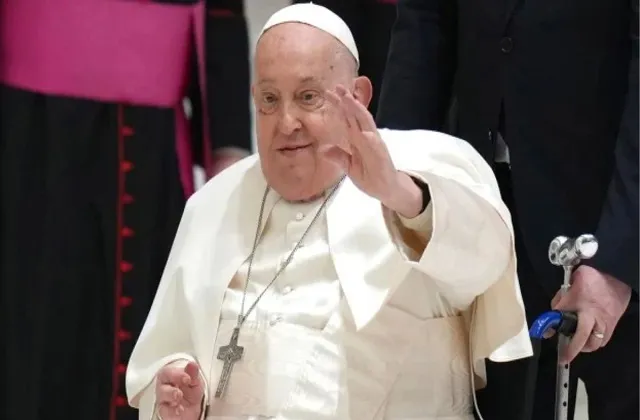
The death of Pope Francis has sparked an emotional outpouring from the people of Gaza and across the pro-Palestinian community, who remembered him not only as the leader of the Catholic Church but as a steadfast supporter during their darkest times. His consistent appeals for peace and his vocal criticism of the humanitarian crisis in Gaza have earned him deep respect and heartfelt tributes from both Christians and Muslims in the region.
During his final public appearance on Easter Sunday, the 88-year-old pope called for an immediate ceasefire in Gaza. Speaking from the balcony of St. Peter’s Basilica, his message was read by an aide as he denounced the suffering endured by civilians. He urged for the release of hostages and aid to those he described as “a starving people that aspires to peace.” His words resonated deeply with those affected by the war.
Palestinian pastor Munther Isaac said the people of Palestine had lost a “dear friend.” Others described Pope Francis as a rare figure of courage and humanity who consistently stood by them. Many social media users highlighted his Easter message as a final act of solidarity, praising his unwavering commitment to advocating for Gaza even in his last days.
The pope’s empathy extended beyond public statements. He kept in direct contact with churches in Gaza throughout the conflict, often speaking by phone to community members as bombs rained down on the city. According to George Antone of the Holy Family Church in Gaza, Francis maintained a nightly routine of calling the congregation, ensuring that not only priests but others present heard his voice and felt his support.
In November 2023, he acknowledged that the Israeli onslaught on Gaza bore the hallmarks of genocide, citing expert opinions in his book Hope Never Disappoints. His willingness to use such language, rare among global leaders, made him stand out as a bold voice of moral clarity.
Christians across the Middle East—from Gaza to Lebanon and Syria—expressed sorrow at his passing, saying he brought strength and comfort during times of hardship and persecution. The pope’s legacy, they said, lies in a church that now truly understands and remembers them, not as statistics, but as individuals with names and lives.