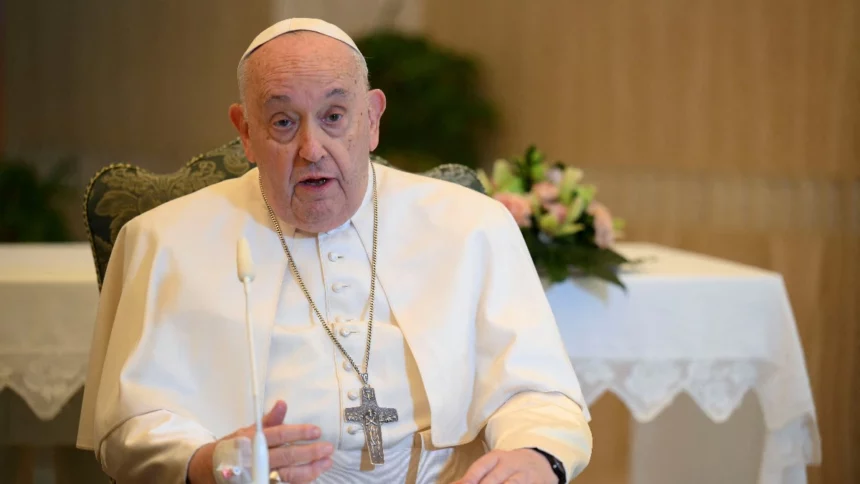
The passing of Pope Francis has sent shockwaves through the Christian world, leaving many to wonder about the future of the Vatican and the process that will follow to elect his successor. Following his death at the age of 88, discussions have shifted to the mechanisms behind choosing a new pope. The Church follows a centuries-old procedure, and the upcoming conclave will play a crucial role in determining the next leader of the global Catholic community.
The Process Behind Choosing a New Pope: The Conclave Explained
The process of selecting a new pope is a highly structured and secretive one. When a pope dies or resigns, the College of Cardinals is convened in a process known as the conclave. This procedure has evolved over centuries to prevent the chaos and disputes that marked earlier papal elections. Today, it involves 120 cardinals who are eligible to vote, with the remaining cardinals being excluded due to age or other factors.
Upon the death or resignation of a pope, a conclave is usually convened within 15 to 20 days. This allows time for cardinals from around the world to travel to Vatican City and prepare for the election. Once all the cardinals have arrived, they begin the election process. The first step of the conclave involves a special mass in the morning, after which the cardinals are sequestered in the Sistine Chapel to begin their voting.
The Voting Process
The cardinals cast their votes on ballots where they write the name of their chosen candidate. For a pope to be elected, he must receive a two-thirds majority of the votes. If no one achieves this after several rounds of voting, the cardinals take a day off for prayer and reflection before resuming the election process. This cycle of voting, praying, and reflection continues until a candidate is elected.
One of the most symbolic parts of the conclave is the smoke signal from the Sistine Chapel. After each round of voting, the ballots are burned. If no pope is elected, the smoke is black; if a new pope is chosen, the smoke turns white. The election process typically involves multiple rounds, and it can take several days or even weeks before a new pope is selected.
The Role of the Cardinals and the Oath of Secrecy
Once the cardinals enter the Sistine Chapel, they take an oath of secrecy. This oath ensures that the details of the voting process remain confidential. All forms of communication with the outside world are strictly prohibited, including phones, emails, and even access to television. Only the cardinals are allowed to vote, and they are given complete autonomy in their choice of candidate. The cardinals also conduct the proceedings in complete isolation from the outside world to prevent outside influence.
The secrecy of the conclave is essential to preserving the integrity of the election process. It is not only a matter of choosing a new pope, but also of protecting the sanctity of the institution itself. Once the votes are counted, the names of the cardinals who received votes are called out, and the ballots are pierced and strung together before being burned. The conclave remains in isolation until the new pope is elected.
The Announcement of a New Pope
Once the cardinals agree on a candidate, the chosen individual is asked if they accept the papacy. If the answer is yes, they are asked by what name they wish to be called. The new pope then assumes his role and is dressed in the traditional white cassock, prepared by the papal tailor. This marks the beginning of his tenure as the leader of the Catholic Church.
The new pope is then formally introduced to the world from the balcony of St. Peter’s Basilica. The traditional announcement, “Habemus Papam!” (We have a pope), is made, and the new pope addresses the crowd, marking the start of his papacy. The first public appearance of the new pope is an important moment in the life of the Church, as it signals the continuation of the papacy and the leadership of the Catholic community.
The Role of the Conclave in Shaping the Future of the Church
The conclave is not only a process of electing a new pope but also a moment of reflection for the Church. It is an opportunity for the cardinals to assess the direction in which the Church should move in the coming years. The election of a new pope is a powerful moment that has significant implications for the future of the Church, its followers, and its role in the world.
In the coming days, the world will watch as the cardinals gather in the Vatican to select a new pope. The outcome of the conclave will shape the future of the Catholic Church and its global influence. The election process, steeped in tradition, will ensure that the choice of the new pope reflects the values, beliefs, and direction of the Church.
What’s Next for the Vatican and the Church?
With the passing of Pope Francis, the Catholic Church faces a significant transition. The conclave will determine who will lead the Church into the future. This highly secretive and important process is vital for ensuring that the next pope is chosen with care, wisdom, and reflection. As the cardinals prepare to make their decision, the Church and the world await the announcement of a new leader who will guide the faithful in the years to come.