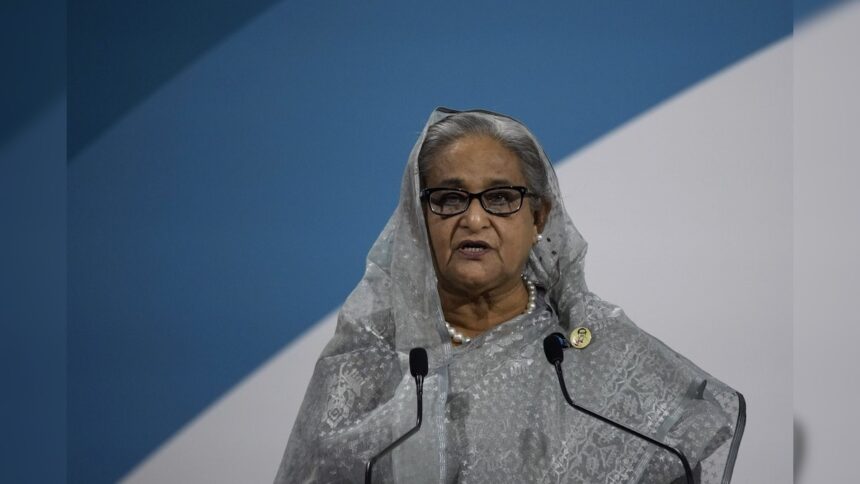
In a dramatic escalation of the legal and diplomatic standoff between Bangladesh and India, the Bangladesh Police have requested Interpol for a red notice against Sheikh Hasina, the former prime minister who fled the country in August 2024. This request could put pressure on India to decide whether to extradite Hasina, who has been living in hiding in India since her departure.
What is the Interpol Red Notice and Why Does It Matter?
The red notice is not an arrest warrant but an international alert to track the location of a wanted individual. If issued, it would help authorities identify and locate Hasina, alerting them to her whereabouts in India. Red notices are typically issued for individuals who are wanted for serious criminal activities, and they are used as a tool to seek cooperation from member countries like India to help locate and extradite individuals wanted for trial or punishment. However, while the notice would assist in locating Hasina, it does not automatically lead to her arrest.
The notice has been sought in connection with multiple charges that have been levelled against Hasina, including crimes against humanity and genocide during her time in power. These charges are part of a broader legal effort by the Bangladesh government to bring Hasina and her associates to justice for actions during her 16-year rule.
Why Is Bangladesh Pursuing Extradition?
Since Hasina’s escape from Bangladesh, the government has pressed India to extradite her to face the numerous charges that have been filed against her. These charges include mass murder, corruption, and abuse of power. The Bangladesh government claims that Hasina’s return is necessary for a fair trial. However, India has so far maintained a reserved stance on the issue. Although India and Bangladesh have an extradition treaty in place, the Ministry of External Affairs has not committed to any decision on Hasina’s extradition, and it has yet to comment in detail on the matter.
Can India Refuse the Extradition Request?
India, under its extradition treaty with Bangladesh, is legally obligated to consider extradition requests for individuals who have committed crimes in both countries. However, India can refuse the request if there are credible concerns that the charges against Hasina are politically motivated or that judicial proceedings in Bangladesh may not be fair.
Legal experts have pointed out that the political context of Hasina’s leadership and her relationship with India may complicate matters. Bangladesh’s demands for her extradition could put India in a difficult diplomatic position, especially if the extradition is seen as politically motivated or as a sign of India undermining its own diplomatic relations with other countries.
Some geopolitical experts believe that India may be reluctant to extradite Hasina for strategic reasons. India is engaged in a competition with China for regional influence, and Hasina’s alignment with India in the past has made her a significant figure in this geopolitical chess game. As one observer noted, India may fear that extraditing Hasina could damage its reputation with its current and future allies, sending the wrong message about fulfilling international agreements.
The Road Ahead: India’s Diplomatic Dilemma
India’s handling of the situation is likely to have wide-reaching implications. A refusal to extradite Hasina could strain relations with Bangladesh, while an agreement to do so may damage India’s broader geopolitical interests. As such, India has adopted a cautious approach, preferring to wait and observe the developments before taking a final stance on Hasina’s extradition.
For now, India’s best course of action seems to be maintaining a “wait-and-watch” strategy. The situation is delicate, and the diplomatic fallout from either decision could have lasting consequences for India’s relations with both Bangladesh and other global powers.
What Does This Mean for Hasina and India?
The request for a red notice against Sheikh Hasina is the latest chapter in an ongoing legal and political saga that raises serious questions about international law, extradition practices, and diplomatic strategy. While Hasina’s legal challenges continue to mount, the pressure on India to act in accordance with the extradition treaty with Bangladesh remains high. However, India must balance its obligations under the treaty with its broader diplomatic and strategic goals, which could complicate the situation further.
As the legal process unfolds, the outcome will likely set a precedent for how countries navigate complex extradition requests in politically charged situations, and the final decision will have significant implications for India’s diplomatic standing in South Asia and beyond.