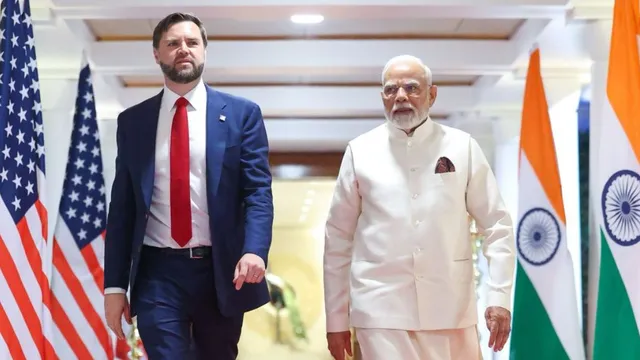
On May 9, Prime Minister Narendra Modi assured US Vice President JD Vance that India’s response to Pakistan’s military actions would be far stronger and more devastating than anything Islamabad could do. This came during a phone conversation where the escalating situation following the Pahalgam attack was discussed. The conversation also reflected India’s stance on retaliating with increased force, highlighting New Delhi’s unwavering approach toward Pakistan’s provocations.
India’s Firm Stance Post-Pahalgam Attack
Following the Pahalgam attack on April 22, India made it clear to international interlocutors, including US Secretary of State Marco Rubio, that any further Pakistani aggression would meet a forceful response. Prime Minister Modi’s conversation with JD Vance reinforced this position, emphasizing that India would not hesitate to strike back harder than Pakistan. The Indian government, through its diplomatic channels, communicated to various global counterparts that India would target terrorist infrastructure on Pakistani soil if the aggression continued.
The launch of Operation Sindoor on May 7, which struck multiple terrorist sites in Pakistan and Pakistan-occupied Kashmir, was a direct response to the attack. India’s leadership made it clear that these strikes were only the beginning, with much stronger actions lined up if Pakistan did not cease its provocations. The military’s rapid response ensured that India’s stance was unambiguous: any provocation would be met with swift and decisive retaliation.
Military Response and International Reactions
On May 10, when Pakistan attempted to strike Indian military facilities, India responded with massive attacks on eight Pakistani air bases. These attacks demonstrated India’s resolve, sending a strong message to Pakistan and the international community. Following these strikes, both sides reached a temporary understanding to halt military actions. However, India remained firm that any future provocations would be met with equal or stronger force.
International reactions, particularly from the United States, acknowledged India’s right to defend itself. US officials, including Marco Rubio, were in contact with Indian leadership throughout the crisis, and they understood the need for a clear and forceful response from India. India’s diplomatic efforts ensured that the global community recognized the distinction between the victim and the aggressor, firmly positioning India as the defender of peace and stability in the region.