Prime Minister Narendra Modi on World Radio Day emphasized the unparalleled significance of radio as a medium that transcends boundaries, reaching citizens in both urban centres and remote villages. In his remarks, PM Modi described radio as a trusted source of timely information, a platform that nurtures talent, encourages creativity, and strengthens the social fabric of the nation. He underscored the enduring relevance of the medium, noting its ability to unite communities, provide knowledge, and amplify voices that often remain unheard. Through the prism of programmes like ‘Mann Ki Baat,’ radio continues to serve as a bridge between the government and the people, enabling dialogue, fostering engagement, and celebrating the diversity of India’s citizenry. Highlighting the historical and contemporary contributions of radio, the Prime Minister also invited citizens to share their inputs for the upcoming edition of ‘Mann Ki Baat’ scheduled for February 22, 2026.
Radio as a Medium of Information, Creativity, and Societal Engagement
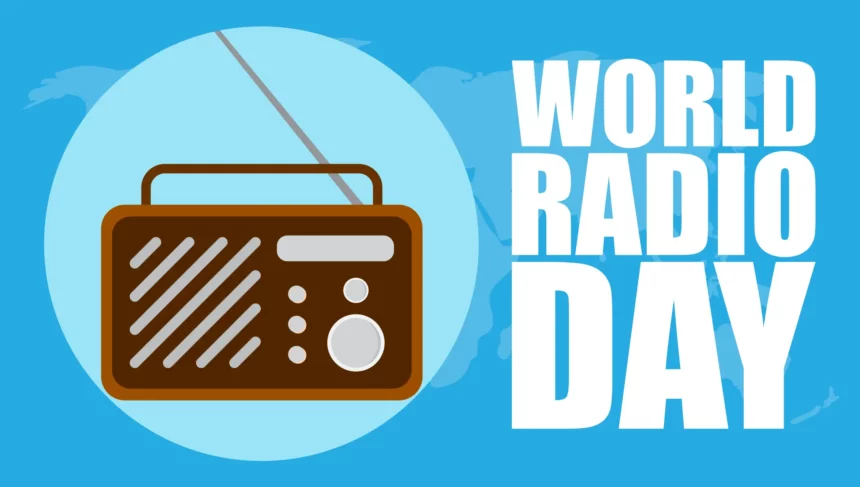
World Radio Day, celebrated annually on February 13, serves as a global recognition of radio’s critical role in the dissemination of information and its impact on society. The day commemorates the establishment of the United Nations Radio in 1946 and acknowledges the enduring power of the medium to educate, inform, and entertain. PM Modi emphasized that radio is not merely a channel for broadcasting content but a vital tool for connecting people, especially in regions where access to other forms of media remains limited. Over decades, radio has evolved into a platform that nurtures local talent, supports cultural initiatives, and encourages creativity among individuals of all ages. The Prime Minister pointed out that radio’s strength lies in its immediacy, accessibility, and capacity to engage listeners in a personal and direct manner, offering information that is relevant, timely, and actionable.
The advent of community radio has further reinforced the medium’s role in social development. India’s first community radio station was inaugurated on February 1, 2004, by Bharat Ratna Lal Krishna Advani, creating opportunities for local voices to be heard and for culturally rich programming to reach diverse audiences. Community radio stations today provide vital services in education, health awareness, agriculture, and disaster management, often serving as the first point of communication during emergencies. By connecting local issues with national discourse, radio has become a channel through which citizens can actively participate in societal dialogue, express concerns, and celebrate achievements within their communities.
Through his reflections, PM Modi highlighted how radio programmes, particularly ‘Mann Ki Baat,’ illustrate the power of this medium to engage citizens in meaningful discourse. ‘Mann Ki Baat,’ launched in October 2014, has become a platform for recognizing social initiatives, celebrating the achievements of ordinary citizens, and discussing issues of public interest. With 73 episodes aired so far, the programme has successfully demonstrated how radio can act as a catalyst for awareness, innovation, and social cohesion. Each episode reaches millions of listeners, bridging geographic and linguistic barriers and providing a shared space for national dialogue. By inviting citizens to contribute ideas and stories, the programme exemplifies the participatory nature of radio, transforming passive audiences into active contributors to public discourse.
Moreover, the Prime Minister drew attention to the integration of technology with traditional media, noting that innovations such as digital radio and online streaming have expanded radio’s reach while preserving its essential qualities of trust, immediacy, and accessibility. In the contemporary era, radio continues to adapt, embracing artificial intelligence and other tools as aids rather than replacements for the human voice that gives the medium its authenticity. The theme of World Radio Day 2026, “Radio and Artificial Intelligence: AI is a tool, not a voice,” reflects this balance, recognizing the potential of technology to enhance programming while emphasizing that the core essence of radio lies in its ability to connect people through genuine human communication.
Celebrating Radio Icons and Pioneers Who Shaped India’s Broadcast Landscape
World Radio Day is also an occasion to honour the individuals who have contributed to the growth and development of radio in India. The Prime Minister acknowledged the efforts of all professionals, broadcasters, technicians, and volunteers who ensure that radio continues to thrive as a medium of mass communication. Among notable figures is Ram Singh Bouddh from Amroha, Uttar Pradesh, known as the “Radio Man of India,” who has been recognized by the Guinness World Records for owning the world’s largest collection of 1,257 radios. Such dedication exemplifies the passion and commitment of those who have worked tirelessly to preserve and promote the legacy of radio, ensuring its continued relevance in an era of rapidly evolving media landscapes.
The Prime Minister also reflected on the historical trajectory of radio in India, tracing its evolution from government-run stations to a dynamic mix of public, private, and community broadcasters. Radio has long been a vital instrument for education, cultural dissemination, and social mobilization. From early broadcasts providing news and educational content to the introduction of FM channels highlighting music, literature, and civic engagement, radio has consistently adapted to changing societal needs while maintaining its core mission of serving the public. By celebrating these achievements on World Radio Day, PM Modi reinforced the enduring importance of a medium that not only entertains but also informs and empowers citizens.
The role of radio in fostering social cohesion and national integration cannot be overstated. In a country as diverse as India, radio transcends linguistic, cultural, and geographic boundaries, creating a shared space for dialogue and interaction. Programmes tailored to regional contexts allow listeners to access content that is both locally relevant and nationally significant. This duality enables radio to function as a unifying force, promoting understanding, empathy, and collective identity among a population that spans vast and varied landscapes. Through initiatives such as ‘Mann Ki Baat,’ the medium further strengthens civic engagement, encouraging citizens to reflect on societal challenges, celebrate success stories, and contribute ideas for positive change.
PM Modi’s remarks also underscored radio’s role in enhancing civic awareness and societal participation. By providing timely news, updates on government initiatives, health campaigns, educational programmes, and emergency alerts, radio serves as a trusted companion for millions of citizens, particularly in rural and semi-urban areas. Its accessibility, cost-effectiveness, and immediacy ensure that it remains an indispensable tool for information dissemination and community mobilization. Listeners rely on radio not only for news but also for guidance, entertainment, and inspiration, highlighting its continued relevance even in the age of digital media and social networks.
Furthermore, the Prime Minister encouraged citizens to actively participate in upcoming editions of ‘Mann Ki Baat,’ inviting them to share their experiences, suggestions, and stories of social impact. This participatory approach reinforces the notion that radio is a two-way medium, fostering dialogue between citizens and policymakers, and enabling the government to understand ground realities while celebrating grassroots initiatives. Such engagement strengthens democracy, nurtures public accountability, and amplifies the voices of individuals and communities who contribute meaningfully to society.
In addition to its domestic role, radio has played a significant part in India’s international cultural diplomacy. Indian radio stations have broadcast content that promotes Indian arts, music, literature, and social narratives to global audiences. By providing a window into the country’s cultural diversity and democratic ethos, radio fosters international understanding and appreciation. PM Modi’s acknowledgement of radio’s global significance during World Radio Day highlights its ability to connect India with the world, building bridges through sound, storytelling, and information.
The Prime Minister also reflected on the medium’s adaptability and innovation in recent years. Technological advancements have enabled radio to integrate with online platforms, mobile applications, and social media, expanding its reach beyond traditional airwaves. Podcasts, live streaming, and interactive shows allow listeners to access content at their convenience while maintaining the immediacy and authenticity that characterize radio. By embracing innovation while retaining its core qualities, radio continues to evolve as a medium that remains relevant, trusted, and influential.
PM Modi emphasized that the celebration of World Radio Day is an opportunity to recognize not just the technological and creative aspects of the medium, but also its human dimension. Broadcasters, producers, writers, and technical staff contribute their expertise, creativity, and dedication to ensure that radio remains a voice of trust, information, and inspiration. Their efforts, often behind the scenes, enable millions of listeners to stay informed, connected, and motivated, reinforcing the medium’s enduring social value.
Finally, the Prime Minister’s message highlighted the convergence of tradition and modernity in radio. While the medium has embraced new technologies, its fundamental essence—connecting people through voice, storytelling, and dialogue—remains unchanged. By celebrating World Radio Day, India not only honors the legacy of radio but also recognizes its continued relevance in shaping informed, engaged, and creative citizens. The upcoming edition of ‘Mann Ki Baat’ on February 22 exemplifies this synergy, demonstrating how radio can bridge the gap between policymakers and the public, foster civic participation, and celebrate the myriad talents and initiatives that define contemporary India.
Through these reflections, PM Modi reaffirmed that radio remains a medium of trust, creativity, and societal engagement, offering a platform that informs, inspires, and unites citizens across the country. World Radio Day serves as a reminder of the enduring power of this medium, its ability to transcend barriers, and its unique role in amplifying voices, promoting talent, and celebrating the collective strength of India’s people.