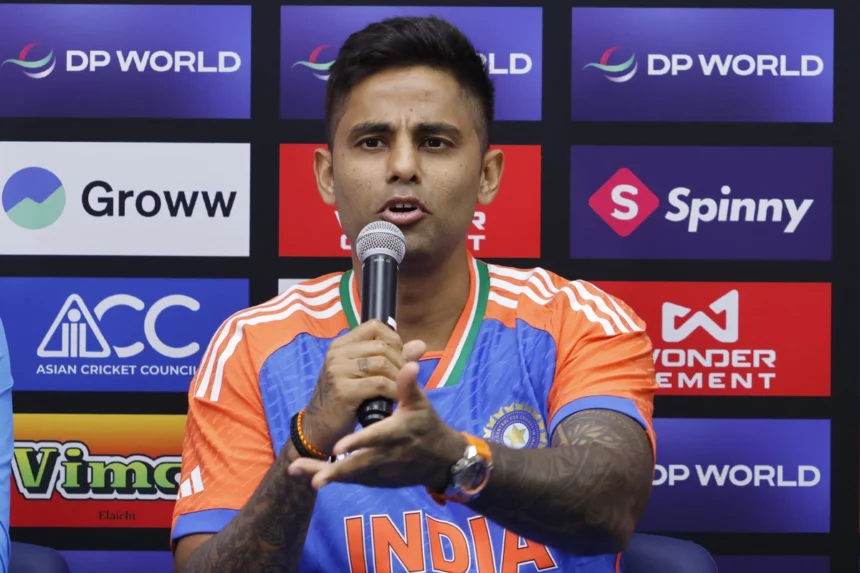
In an unexpected turn following India’s Asia Cup Group A match against Pakistan on September 14, the Pakistan Cricket Board (PCB) has filed an official complaint with the International Cricket Council (ICC) against Indian captain Suryakumar Yadav. The complaint targets Yadav for his post-match comments expressing solidarity with the victims of the Pahalgam terror attack and dedicating India’s victory to the Indian Armed Forces engaged in Operation Sindoor. PCB officials have labeled Yadav’s statements as “political,” triggering a formal inquiry by the ICC.
ICC Inquiry and Suryakumar’s Response
Following the PCB complaint, ICC match referee Richie Richardson has reportedly asked Suryakumar Yadav to provide an explanation regarding his post-match remarks during both the presentation ceremony and the press conference. While the exact date of the PCB filing remains unclear—given ICC rules stipulate complaints must be lodged within seven days of the incident—reports suggest Richardson has reviewed the statements and accompanying evidence. Sources indicate that the match referee concluded Yadav’s comments potentially damaged the image of the game, forming the basis for the charges against him.
Should Suryakumar deny the allegations, the ICC is expected to hold a formal hearing involving Richardson, Yadav, and a PCB representative. This hearing will determine whether the charges are upheld or dismissed. The controversy comes as India prepares for the Asia Cup final, having secured a 41-run victory over Bangladesh on Wednesday night, which has added further attention to the ongoing dispute.
PCB and ACC Provocations
Adding to the tension, Asian Cricket Council (ACC) president and PCB chairman Mohsin Naqvi further fueled the situation by posting a slow-motion video of Cristiano Ronaldo on social media platform X. In the video, Ronaldo’s gesture mimicked an aircraft suddenly crashing—an apparent reference to on-field comments made by Pakistan player Naseem Shah during the India-Pakistan clash. Naqvi, who also holds the role of Interior Minister in Pakistan, is known for making provocative statements directed at India, and this post was widely perceived as a continuation of that rhetoric.
The video drew attention not only for its cryptic nature but also for the timing, coinciding with India’s progression to the Asia Cup final. It remains uncertain whether the Indian team will engage directly with the ACC chairman at the final presentation or if the controversy will influence ceremonial proceedings. Both the Board of Control for Cricket in India (BCCI) and ICC officials are closely monitoring the situation, aware of the diplomatic and sporting sensitivities involved.
The incident has sparked a broader debate within the cricketing community over the intersection of sport and political statements, highlighting the challenges players face when expressing solidarity or national sentiment during high-profile international tournaments. While Yadav’s remarks were intended as a gesture of support for terror victims and the armed forces, the PCB’s response underscores the heightened sensitivities between India and Pakistan, particularly in the context of cricket, which often mirrors broader political tensions.
The unfolding developments around the ICC inquiry and the PCB’s complaint will likely set a precedent for how players’ off-field remarks are scrutinized in politically charged matches. The Asia Cup final, now approaching, carries additional weight as both teams contend on the field while navigating the ongoing administrative and diplomatic complexities surrounding the controversy.