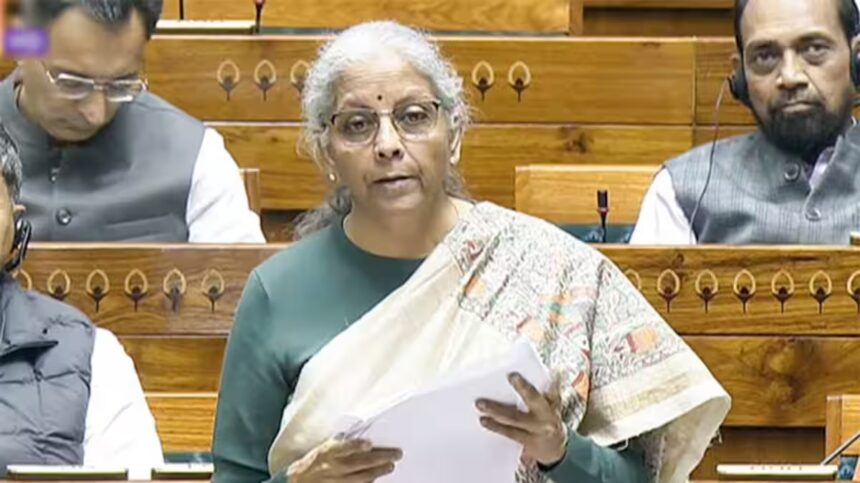
The Budget Session of Parliament is set to commence on January 28, 2026, marking the start of one of the most significant legislative periods of the year, with the Union Budget scheduled to be presented on February 1. The session will run until April 2, unfolding in two phases, and is expected to shape the government’s economic, fiscal, and policy direction for the year ahead. Announcing the schedule, Union Parliamentary Affairs Minister Kiren Rijiju said the session will provide a crucial platform for debate on national priorities, legislative business, and the government’s financial roadmap amid evolving domestic and global challenges.
The decision to table the Union Budget on February 1, which falls on a Sunday, underscores the importance attached to timely presentation and discussion of fiscal proposals. The Budget Session traditionally draws intense attention from lawmakers, industry, markets, and citizens alike, as it lays out taxation policies, expenditure plans, and reform measures that influence economic growth and social welfare. With the session extending into early April, Parliament is expected to witness sustained deliberations on a wide range of issues beyond the Budget itself.
Structure and timeline of the budget session and key parliamentary milestones
According to the announced schedule, the Budget Session will be conducted in two distinct phases to accommodate detailed scrutiny of financial proposals and other legislative business. The first phase will begin on January 28 and conclude on February 13. During this period, Parliament will focus on the presentation of the Union Budget, initial debates on the Budget, and discussions on key policy statements. The presentation of the Budget on February 1 will be followed by general discussions in both Houses, allowing members to outline their views on the government’s economic vision and priorities.
After the conclusion of the first phase, Parliament will adjourn temporarily and reconvene on March 9 for the second phase of the session. This phase will continue until April 2 and is expected to be more intensive in terms of legislative work. It typically includes detailed discussions on Demands for Grants of various ministries, consideration and passage of appropriation and finance bills, and debates on other proposed legislation. Committees will also play a significant role during this period, examining expenditure proposals and presenting reports that inform parliamentary debate.
The extended duration of the session reflects the breadth of issues expected to come before Parliament. Apart from financial business, the government is likely to push forward important bills and policy initiatives, while the opposition is expected to raise concerns on economic performance, social welfare, governance, and other pressing national matters. The staggered structure of the session allows lawmakers time to study Budget proposals in depth and engage in more informed debate during the later stages.
Holding the Union Budget presentation on February 1 aligns with the established practice of recent years, enabling the government to implement tax and expenditure measures from the start of the new financial year on April 1. Presenting the Budget on a Sunday is relatively uncommon, but officials indicated that it would ensure adherence to the planned timetable and avoid disruptions to the overall session schedule.
Economic expectations, political debate, and significance of the 2026 budget session
The 2026 Budget Session is expected to carry added significance against the backdrop of economic recovery efforts, inflation management, employment generation, and fiscal consolidation. The Union Budget to be presented on February 1 will be closely watched for signals on government spending priorities, tax policy changes, and reform initiatives aimed at sustaining growth while managing fiscal pressures. Stakeholders across sectors, including industry, agriculture, and services, are looking for measures that balance growth stimulation with long-term economic stability.
From a political perspective, the Budget Session often serves as a forum for sharp debate between the government and the opposition. The opposition is expected to scrutinise the government’s economic record and challenge its policy choices, while the ruling side will seek to defend its approach and highlight achievements. Issues such as cost of living, social sector spending, infrastructure investment, and federal financial relations are likely to feature prominently in debates.
The session’s timeline also provides space for broader legislative activity beyond the Budget. Bills related to governance reforms, social welfare, and administrative changes may be taken up, depending on the government’s legislative agenda. The second phase of the session, in particular, is expected to be packed with discussions on ministry-wise expenditure, allowing Parliament to hold the executive accountable for spending plans and policy implementation.
For Parliament as an institution, the Budget Session represents an opportunity to demonstrate its role in financial oversight and democratic deliberation. Detailed discussions on Demands for Grants and the passage of financial legislation are central to Parliament’s constitutional function. The length of the session until April 2 suggests that the government anticipates substantial engagement with lawmakers on both fiscal and non-fiscal matters.
As the country prepares for the Budget Session beginning January 28, attention will remain firmly on the Union Budget presentation on February 1 and the debates that follow. The outcomes of this session are expected to influence economic policy, legislative priorities, and political discourse well into the year, making it a pivotal moment in India’s parliamentary calendar.