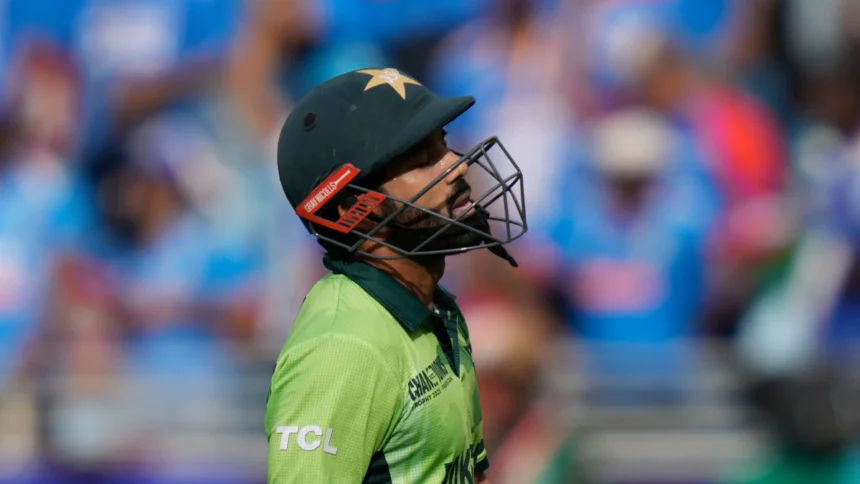
Pakistan’s forgettable campaign in the Champions Trophy 2025 ended in further disappointment as their final match against Bangladesh was washed out without a ball being bowled in Rawalpindi. The persistent rain not only denied fans the chance to see their team in action but also confirmed Pakistan’s exit from the tournament without a single victory. This marks a disastrous outing for the hosts, who had high expectations but failed to secure even a solitary win in the competition.
The rain, which had been relentless throughout the day, left the ground waterlogged, making play impossible. Match officials waited nearly two hours beyond the scheduled start time before calling off the game, leaving fans frustrated as they had hoped for some action at the Rawalpindi Cricket Stadium. With this match abandoned, both Pakistan and Bangladesh finished their campaigns winless, an outcome that raises significant concerns for both cricketing nations. The washout was the second in Rawalpindi, following an earlier rain-hit match between South Africa and Australia that also had to be abandoned.
Pakistan’s performance in the tournament had already been under severe criticism following their losses to New Zealand by 60 runs and India by six wickets. The team’s inability to deliver on home soil, particularly in their first ICC event in 29 years, has drawn backlash from both fans and former players. The squad, led by Mohammad Rizwan, was expected to put up a fight, but instead, their struggles were evident from the outset, with lackluster performances exposing deep-rooted problems within the team.
Mohammad Rizwan, speaking after the washout, admitted that the team had failed to meet expectations but emphasized that lessons would be learned from their mistakes. He acknowledged the immense disappointment felt by fans and players alike but remained hopeful that Pakistan would bounce back. Rizwan pointed to their upcoming tour of New Zealand as an opportunity to rectify their errors, particularly focusing on areas that had been problematic against the same opponent in this tournament. His comments, however, failed to inspire much confidence, as his explanation about external factors affecting the team’s performance left many unconvinced.
Adding to the controversy, Pakistan’s assistant coach, Azhar Mahmood, attributed the team’s poor showing to injuries and self-imposed pressure during their high-stakes encounter against India. Mahmood argued that the squad had been performing well in this format but was significantly hampered by injuries to key players such as Fakhar Zaman and Saim Ayub. While acknowledging that the team had underperformed, he maintained that the absence of crucial players had disrupted their rhythm. His remarks, however, did little to pacify the growing frustration among fans, who have seen Pakistan struggle in major ICC tournaments for years.
Mahmood further emphasized the importance of sticking with identified talent, stating that constant chopping and changing would only disrupt team cohesion. He stressed that faith in the existing squad was necessary to see long-term improvement, but this stance has already drawn criticism from experts who believe Pakistan needs a major overhaul rather than persistence with underperforming players. The tournament highlighted Pakistan’s ongoing struggles with consistency, planning, and handling pressure in crucial moments.
Rizwan’s comments following the washout sparked further debate as he tried to justify the team’s poor outing. While he admitted to mistakes, he suggested that external factors, including injuries and pressure situations, played a significant role in Pakistan’s downfall. His statement that Pakistan had put too much pressure on themselves in their match against India raised questions about the team’s mentality, particularly in high-stakes encounters. His attempt to rationalize the team’s failures by pointing to disruptions in squad composition due to injuries was met with skepticism, as critics argued that elite teams should have the depth to handle such setbacks.
Bangladesh, who also finished their tournament without a win, now face their own set of concerns. Their captain, Najmul Hossain Shanto, expressed disappointment over the washout and admitted that the team had hoped to salvage some pride in their final match. He pointed out that while the team had shown glimpses of promise in their previous games, they had failed to capitalize on key moments. He acknowledged that their fast bowling unit had been a concern in the past but took encouragement from the progress shown by bowlers such as Taskin Ahmed and Hasan Mahmud. With Bangladesh heading home winless, their cricketing structure and future planning will also come under scrutiny.
Pakistan’s exit from the tournament marks yet another chapter in their turbulent ICC event history. The team’s inability to rise to the occasion in pressure situations has become a recurring theme, and their failure in the Champions Trophy 2025 only adds to the growing concerns about their preparedness for global events. With the T20 World Cup on the horizon, Pakistan now faces a race against time to address their issues, rebuild team morale, and regain their competitive edge. The disappointment of a winless campaign, coupled with Rizwan’s contentious remarks, has left both fans and analysts questioning whether Pakistan cricket is heading in the right direction.
As the fallout from this tournament continues, Pakistan’s cricketing hierarchy will have much to ponder. Whether they opt for major changes or stick with the current setup remains to be seen, but one thing is clear: the expectations from their passionate fanbase remain sky-high, and another failure at a global event will only add to the mounting pressure on both players and management.