The geopolitical landscape of South Asia has once again been thrust into a complex confrontation as Pakistan publicly accused India of supporting terrorist activities on its soil through proxies operating from Afghanistan. This allegation coincided with the high-profile visit of Taliban Foreign Minister Amir Khan Muttaqi to New Delhi, where he met with India’s External Affairs Minister S. Jaishankar. The visit marks the first high-level engagement between India and the Taliban since the group’s takeover of Afghanistan in 2021, and it has come under the spotlight for both its diplomatic significance and the concurrent security accusations from Islamabad. Pakistan’s accusations, India’s denials, and Taliban assurances have collectively added layers of tension and uncertainty to regional stability, raising questions about the complex interplay of diplomacy, security, and counterterrorism in the region.
Pakistan Accuses India of Supporting Terrorism via Afghan Territory
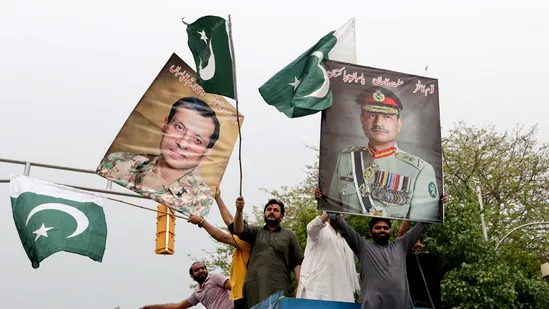
On Friday, Pakistani authorities, through senior military spokesperson Ahmed Sharif Chaudhry, alleged that India is using Afghan territory as a base to orchestrate terrorist attacks within Pakistan. Chaudhry claimed that Indian proxies were actively facilitating operations from Afghan soil, targeting Pakistani territory, and causing instability. According to him, Islamabad had provided proof and evidence of such activities to Kabul, seeking cooperation from the Afghan authorities in curbing these alleged threats. Chaudhry explicitly stated that the Tehrik-e-Taliban Pakistan (TTP), a militant group that has repeatedly targeted Islamabad with the aim of overthrowing the government and establishing a strict Islamic-led governance system, receives support and operational cover from elements within Afghanistan.
Chaudhry emphasized that non-state actors were fuelling terrorism within Pakistan and stressed the need for the enforcement of the National Action Plan, which was designed to combat extremist elements across the country. He warned that no individual, whether politically connected or otherwise, would be allowed to facilitate terrorist activities. “No politician or politics is above the state. If someone thinks he or she is above the law, it will not be acceptable,” he remarked, underlining Pakistan’s resolve to curb insurgency and extremist activities.
The allegations came at a time when Taliban Foreign Minister Amir Khan Muttaqi was engaging in diplomacy with India. The timing of these statements highlights Islamabad’s discomfort with the growing engagement between India and the Taliban, which Pakistan perceives as potentially strengthening a rival regional power. Pakistan’s claims have been met with strong denials from New Delhi. Indian officials have dismissed the accusations as “baseless,” emphasizing that India has no involvement in any activities that could be construed as supporting terrorism in Pakistan. India reiterated that its engagements with Afghanistan are primarily focused on humanitarian assistance, regional stability, and bilateral cooperation, rather than interference in internal security matters of its neighbor.
The TTP, historically inspired and supported by the Afghan Taliban, has long maintained a network of relationships facilitating its cross-border operations. Analysts note that the TTP’s operations are deeply intertwined with the broader dynamics of Afghan militancy, and any accusations against India risk escalating regional tensions. While Pakistan’s statements highlight its security concerns, the diplomatic dialogue between India and Afghanistan aims to solidify bilateral ties without encouraging or harboring non-state actors.
Taliban Reassures India, Responds to Pakistan’s Accusations
In parallel to Pakistan’s allegations, Taliban Foreign Minister Amir Khan Muttaqi, during his interactions with External Affairs Minister S. Jaishankar and Indian journalists, provided assurances that Afghanistan would not permit its territory to be used for attacks against other countries. Addressing questions regarding terrorist presence in Afghanistan, Muttaqi stated that groups like Jaish-e-Mohammed and Lashkar-e-Taiba were not present in the country, asserting that “not even one inch of soil is controlled by anyone other than the Islamic Emirate.” He emphasized that all previous threats had been neutralized through operations over the past four years.
Muttaqi’s statements appeared aimed at strengthening India’s confidence in the Taliban’s commitment to regional security, particularly amid Pakistan’s allegations. By reiterating that Afghan territory would not be used for cross-border terrorism, the Taliban sought to assure India that its engagements and cooperative efforts would not be compromised by militant operations originating from Afghanistan. The assurances also served as a diplomatic signal intended to support the Taliban’s bid for formal recognition of its regime, which has so far been granted only by a limited number of countries, including Russia.
In addition to these assurances, India announced plans to upgrade ties with the Taliban administration by reopening its embassy in Kabul, which had been closed since the Taliban seized power in 2021. This move represents a significant diplomatic step, providing support to the Taliban government while simultaneously asserting India’s interest in regional stability, development cooperation, and humanitarian assistance. Officials indicated that discussions during Muttaqi’s visit included expanding India’s role in healthcare, trade, and capacity-building initiatives within Afghanistan.
The Taliban government, on its part, has accused Pakistan of carrying out airstrikes on Afghan territory, particularly targeting Kabul and the eastern province of Paktika. Pakistan has neither confirmed nor denied the strikes, citing operational security and ongoing intelligence assessments. The airstrikes reportedly came after a series of attacks on Pakistani forces, including ambushes and assaults by TTP militants. Pakistani military forces claimed responsibility for operations in northwestern regions, killing 30 militants across multiple raids in retaliation for attacks that resulted in the deaths of eleven soldiers, including two senior officers.
The complexity of these interactions illustrates the delicate balance that Afghanistan, India, and Pakistan must maintain in terms of security, diplomacy, and counterterrorism. While Pakistan emphasizes its security concerns and alleges external interference via Afghan territory, the Taliban seeks to demonstrate control over its borders and a willingness to cooperate with neighboring countries on security issues. Simultaneously, India navigates its engagements with the Taliban to ensure humanitarian aid, reconstruction assistance, and regional stability without endorsing militant activity.
The situation also underscores the enduring challenge posed by non-state actors like the TTP, whose operational networks remain transnational and fluid. These dynamics compel India and Pakistan to engage in complex diplomacy while maintaining their respective security imperatives. As the Taliban seeks international recognition and India pursues a strategy of cautious engagement, Islamabad’s accusations reflect broader regional anxieties about power balances, influence, and the potential use of Afghan territory for cross-border militancy.
The ongoing developments reveal that South Asia’s security landscape is highly interlinked, where diplomatic engagements, insurgent activities, and regional rivalries intersect. India’s interactions with Afghanistan, including high-level meetings and the reopening of its embassy, signify a commitment to constructive engagement despite the challenging security environment. Meanwhile, Pakistan’s heightened statements and military actions highlight the persistent threats posed by militant organizations and the sensitive nature of border security and intelligence operations.
Muttaqi’s visit and Pakistan’s allegations collectively bring attention to the broader question of how regional powers manage the dual imperatives of diplomatic engagement and counterterrorism. While India’s position remains focused on cooperation, humanitarian support, and ensuring that Afghan soil is not misused for external aggression, Pakistan continues to assert its concerns about cross-border militancy and the role of neighboring powers.
This interplay of diplomacy, security, and counterterrorism strategy underscores the delicate equilibrium in South Asia, where historical rivalries, insurgent networks, and emerging political realities converge. As the Taliban engages with India and Pakistan raises security alarms, the region faces a critical test of whether dialogue, assurances, and strategic engagement can prevent further escalation and ensure that Afghan territory does not become a launchpad for destabilizing activities.
The broader implications of these developments are significant, as they not only affect India-Pakistan-Afghanistan relations but also influence regional security architecture, international recognition of the Taliban, and ongoing counterterrorism efforts. Analysts note that while India seeks to solidify bilateral cooperation with Afghanistan in non-military domains, Pakistan’s security concerns remain acute due to the continued operational presence of groups like TTP and their historical links with Afghan-based networks.
The diplomatic assurances from the Taliban, India’s pragmatic engagement, and Pakistan’s heightened accusations collectively illustrate the fragile nature of peace and stability in the region. The situation highlights the importance of sustained dialogue, verification of security commitments, and careful monitoring of non-state actors to prevent the escalation of militancy. Furthermore, the unfolding scenario demonstrates the complex interdependencies among regional players, where diplomatic decisions, security operations, and international recognition intersect with local insurgent dynamics.
The interplay of these elements during Muttaqi’s visit and the simultaneous security concerns raised by Pakistan presents a case study in modern South Asian diplomacy. It showcases the challenges faced by nations seeking to engage with transitional regimes while maintaining national security, upholding international norms, and responding to domestic and regional pressures.
As the diplomatic and security developments continue to unfold, observers are closely monitoring the actions of the Taliban administration, India’s engagement strategies, and Pakistan’s responses to ensure that regional stability is not compromised. The evolving situation exemplifies the delicate balancing act required to maintain constructive engagement with Afghanistan while mitigating risks posed by transnational terrorism and ensuring that strategic interests are safeguarded across national boundaries.
The current episode also underscores the enduring strategic complexity of South Asia, where historical rivalries, militant networks, and regional diplomacy converge, making it essential for all actors to carefully calibrate their policies, maintain communication channels, and implement robust security measures to prevent unintended escalation.