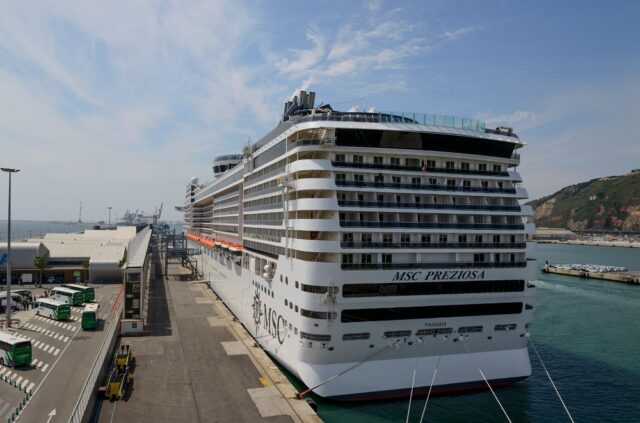
In a bid to tackle overtourism and preserve the quality of life for its residents, the French Riviera city of Nice has announced a new regulation that will limit the number of large cruise ships visiting the port. The measure, signed by Christian Estrosi, the mayor of Nice’s urban area, came into effect on Friday, and it prohibits cruise ships carrying more than 900 passengers from disembarking tourists for sightseeing excursions in the city.
This decision was driven by the increasing pressure of tourism, as the city anticipates a dramatic surge in cruise ship tourists in the coming years. By 2026, the number of cruise passengers expected to disembark in Nice is projected to rise to 300,000, nearly double the 160,000 who visited the city last year. Estrosi’s statement on the matter was clear: “Pleasure boating, yes, floating buildings, no.” The city is determined to curb the adverse effects of large cruise ships on its local environment and infrastructure, ensuring that the charm and appeal of Nice are not diminished by overcrowding.
While larger ships will be restricted, smaller cruise ships, which generally offer a more luxurious experience, will still be allowed to dock and bring passengers ashore. These smaller vessels are seen as less disruptive and more in line with the city’s sustainable tourism goals. According to the city’s projections, the port will handle around 124 cruise ship calls in 2025, with ships carrying between 32 and 700 passengers. This shift towards smaller, more sustainable vessels is part of a broader effort to maintain Nice’s appeal without overwhelming its resources.
The port of Nice has been undergoing upgrades to accommodate this change. Among the most significant improvements are new electrical connections that allow cruise ships to shut down their engines while docked, reducing pollution and making the port more eco-friendly. This move is in response to the environmental concerns that have been raised over the years regarding large cruise ships, which often keep their engines running while docked, contributing to air and noise pollution.
The issue of overtourism is not unique to Nice. The nearby city of Cannes has also faced challenges with large cruise ships unloading tourists, causing tensions among locals who are unhappy with the environmental impact and overcrowding. However, local authorities in France have limited jurisdiction over maritime traffic, making it difficult to control the number of large ships docking in their ports.
Nice’s new regulation comes as part of a growing trend of cities around the world taking action to limit the environmental and social impacts of mass tourism. By curbing the number of large cruise ships and promoting more sustainable forms of tourism, the city hopes to strike a balance between welcoming visitors and preserving the quality of life for its residents. The move is expected to spark similar discussions in other popular tourist destinations grappling with the issue of overtourism, as cities look for ways to protect their cultural heritage and environment without sacrificing their economic benefits.