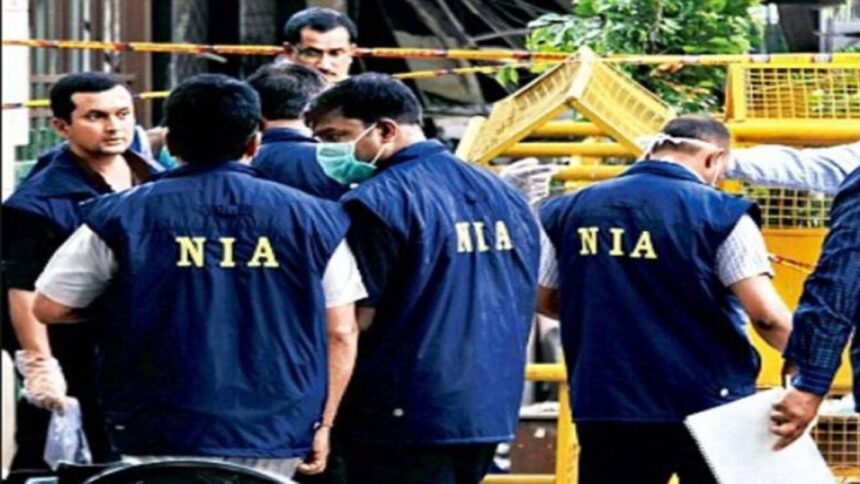
In a significant development in the Neemrana hotel firing case, the National Investigation Agency (NIA) has added three more individuals to its chargesheet, tightening the net around a suspected Khalistani-linked terror plot. The new accused—Dharmendra Singh, Gaurav, and Deepak—are alleged to have conspired with others to carry out the December 2024 shooting at Hotel Highway King. The case has already seen multiple arrests and earlier chargesheets, with strong ties emerging to Canada-based terrorist Arsh Dala.
The NIA filed its second supplementary chargesheet before the NIA Special Court in Jaipur on Saturday. According to the agency, the three newly named individuals played an active role in plotting the attack, which is believed to have been orchestrated under the guidance of Arsh Dala, a known Khalistani terrorist currently based in Canada.
Previous arrests and wider conspiracy
Last month, the NIA had already chargesheeted three other accused—Sachin alias Praveen alias Dholia, Yogesh alias Monu, and Vijay alias Kale—highlighting a growing web of conspirators. These individuals, like the ones named now, were allegedly acting on instructions passed down from handlers abroad, further suggesting the involvement of an international network.
Before the NIA took over, the Rajasthan Police had initially chargesheeted seven suspects in the case and arrested a total of eight. These early actions laid the foundation for the current national-level probe, which continues to unfold with fresh evidence and deeper links to cross-border terrorism.
Connection to Khalistani elements
Investigators believe the attack was not an isolated incident but part of a larger strategy to spread fear and establish a presence for Khalistani operatives in India. Arsh Dala, known for his involvement in various terror-related activities, is said to have played a key role in planning and coordinating the hotel attack through local contacts and sleeper cells.
The NIA’s latest move to name additional accused reflects the ongoing efforts to expose the full extent of the terror network involved. By connecting more local operatives to foreign handlers, authorities aim to dismantle what they see as a growing threat of radicalization and organized violence sponsored from abroad.