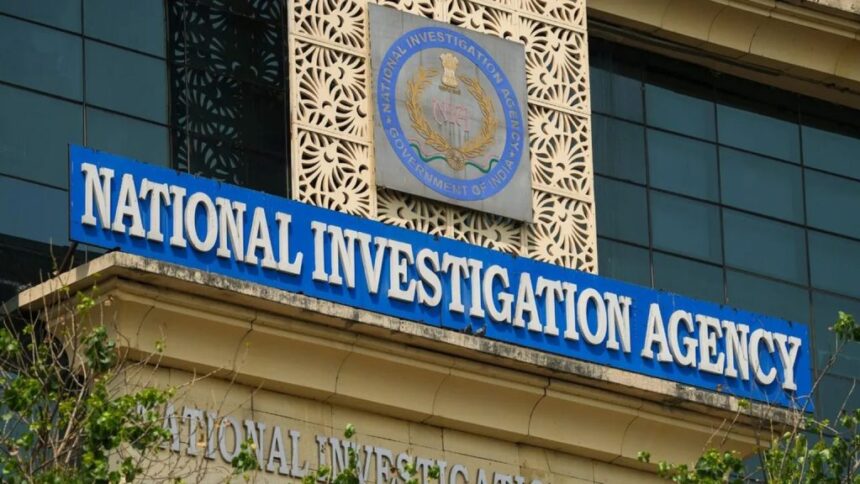
India’s anti-terror investigation agencies have made a significant breakthrough in uncovering the international funding channels of The Resistance Front (TRF), the India-focused proxy of the Pakistan-based Lashkar-e-Taiba. This revelation comes in the aftermath of the brutal Pahalgam attack that claimed the lives of 26 innocent tourists, highlighting the complex web of terrorism financing that threatens national security. Through meticulous analysis of hundreds of communication records, social media activity, banking transactions, and intelligence inputs, India’s National Investigation Agency (NIA) has traced TRF’s funding network across multiple countries, exposing the mechanisms through which extremist groups receive financial support to carry out attacks within the country. The findings underscore not only the transnational nature of terrorism but also the persistent challenges India faces in curbing proxy terror groups supported by foreign entities. This investigation provides crucial evidence that India plans to use in international forums such as the Financial Action Task Force (FATF) to hold Pakistan accountable for its role in facilitating terrorism.
Funding Channels and International Links of TRF
The National Investigation Agency’s extensive probe into TRF’s operations revealed a complex and well-organized network for raising funds from abroad. The agency analyzed 463 phone calls linked to individuals supporting anti-India activities, tracing financial transactions and communication patterns that pointed toward Pakistan, Malaysia, and Gulf countries as primary sources of TRF’s funding. The Malaysian connection, through resident Yasir Hayat, facilitated approximately Rs 9 lakh in financial assistance that directly contributed to TRF’s operational capabilities within India. The investigation also revealed clear links between TRF operatives and Sajid Mir, the most wanted terrorist of Lashkar-e-Taiba, establishing continuity between the Pakistani terror group and its Indian proxy.
Through meticulous examination of mobile phone data, social media interactions, and banking information, NIA investigators could reconstruct the flow of funds from international supporters to operatives in India. These financial channels allowed TRF to maintain communication, procure materials, and plan attacks without immediate detection. The scrutiny also unveiled that TRF’s funding network was designed to evade standard detection mechanisms, making it challenging to disrupt their operations entirely without targeted intelligence-led action. The NIA’s findings highlight the importance of international collaboration and intelligence sharing in tracking terror financing and preventing future incidents.
The successful raids conducted by the NIA in Srinagar and Handwara further corroborated these findings. Investigators recovered vital documents revealing foreign contributions to TRF, which provided actionable insights into the accounts and entities linked to terrorism financing. These operations underscored the agency’s ability to combine traditional intelligence with modern technology to dismantle financial networks supporting extremist activities.
Strategic Implications and FATF Leverage
The exposure of TRF’s funding network holds significant strategic implications for India, particularly in the context of international counter-terrorism efforts. By establishing documented proof of Pakistan’s involvement in facilitating funding for terror activities, India aims to strengthen its position before the Financial Action Task Force (FATF), the global watchdog for anti-money laundering and counter-terror financing. India has consistently pursued Pakistan’s inclusion under FATF’s scrutiny, citing its role as a safe haven for terrorist financing and money laundering.
The Pahalgam attack and subsequent NIA investigation provide a detailed evidentiary trail demonstrating the flow of funds from Pakistan, Malaysia, and Gulf nations to extremist elements in India. India intends to leverage this information to highlight lapses in Pakistan’s compliance with FATF regulations and advocate for renewed monitoring or re-entry of Pakistan into the FATF grey list. Being on the grey list imposes significant restrictions, including closer international scrutiny, difficulties in obtaining foreign aid, and constraints on financial transactions, all of which impact Pakistan’s economic stability.
Historically, Pakistan was first placed on FATF’s grey list in June 2018 due to its inadequate measures to prevent terror financing, particularly linked to Lashkar-e-Taiba and other proxy groups. Although Islamabad was removed in September 2022 after implementing the FATF’s action plan, India’s evidence now seeks to demonstrate ongoing non-compliance and continued support to terrorist proxies. The findings from the TRF investigation provide a solid foundation for India to argue that Pakistan remains a threat to regional stability and global financial integrity.
The broader implications extend beyond financial oversight. Terror financing enables proxy groups like TRF to sustain operational capabilities, recruit members, procure materials, and execute attacks without immediate detection. By exposing these channels, India not only strengthens its legal and diplomatic case but also disrupts the operational viability of TRF within the country. The meticulous documentation of funding mechanisms and associated individuals ensures that action can be taken against facilitators and supporters operating both domestically and internationally.
Furthermore, the investigation underscores the importance of continuous monitoring and proactive intelligence collection to identify emerging patterns of terrorist financing. The use of technology, including social media surveillance, bank transaction tracking, and analysis of telecommunication records, has been critical in mapping the flow of money and the individuals involved. This approach reflects the growing need for a comprehensive counter-terrorism strategy that integrates domestic law enforcement with international cooperation and legal frameworks.
The NIA’s findings also provide insights into the adaptability of terrorist networks. By leveraging multiple countries and channels, TRF and its affiliates ensure redundancy and resilience in their financial operations. Such adaptability requires equally sophisticated measures from law enforcement and intelligence agencies to disrupt funding streams and reduce the operational effectiveness of these groups. The integration of field investigations, digital forensics, and financial intelligence has emerged as a key model for tackling modern terrorism.
India’s approach demonstrates a multi-pronged strategy, combining legal, operational, and diplomatic efforts. Domestically, raids, arrests, and documentation of funding networks ensure that terrorist operatives cannot function unchecked. Internationally, presenting evidence to FATF and other global bodies holds state sponsors accountable while reinforcing India’s image as a proactive leader in counter-terrorism efforts. The TRF investigation exemplifies how coordinated action can bridge the gap between intelligence collection, legal enforcement, and diplomatic leverage.
Through these efforts, India not only addresses immediate security concerns but also contributes to long-term deterrence. By highlighting the financial dependencies and international support structures behind TRF, India signals to both domestic and international audiences that proxy terrorism will face sustained scrutiny and disruption. This approach strengthens the overall national security framework while reinforcing India’s commitment to combating terrorism comprehensively.
The ongoing investigation also serves as a warning to other countries and networks that attempt to exploit global financial systems to support extremist activities. By meticulously tracing fund flows and documenting connections to high-profile terrorists like Sajid Mir, India provides a model for other nations facing similar challenges in monitoring and controlling terror financing. The evidence collected will be crucial in ongoing efforts to tighten regulatory frameworks, enhance financial transparency, and prevent misuse of international aid for unlawful activities.
In conclusion, while the NIA’s investigation into TRF’s funding has revealed significant foreign contributions from Pakistan, Malaysia, and Gulf countries, the broader narrative underscores India’s persistent commitment to counter-terrorism. Through a combination of field intelligence, financial scrutiny, and international advocacy, India aims to dismantle proxy networks, hold state sponsors accountable, and strengthen mechanisms to prevent future terrorist attacks. The revelations from the Pahalgam probe serve as a cornerstone for India’s strategy to combat terrorism financing and reinforce its national and regional security posture.
This comprehensive investigation highlights the evolving tactics of terrorist organizations, the challenges of international terror financing, and India’s proactive measures to mitigate risks posed by proxy groups operating within its borders. By presenting a detailed record of evidence, India ensures that global institutions such as FATF recognize the ongoing threats posed by Pakistan-backed terrorist organizations and support accountability measures that strengthen regional security and stability.